剪纸

Search documents
年货出海,“中国红”正当潮
Ren Min Ri Bao Hai Wai Ban· 2026-02-27 02:31
Core Insights - The article highlights the global popularity of Chinese New Year products, showcasing how items like lanterns, flowers, and traditional clothing are being sold overseas, enhancing cultural exchange and fulfilling the nostalgia of overseas Chinese [1][2]. Group 1: Market Trends - The demand for Chinese New Year goods has surged, with orders for these products increasing by 20-30% compared to the previous year, indicating a growing interest not only among Chinese expatriates but also among local populations in various countries [2]. - The logistics of exporting these goods have improved significantly, with cold chain logistics ensuring the freshness of products like flowers, which are transported efficiently to destinations such as Kazakhstan [3][4]. Group 2: Cultural Exchange - The article emphasizes the cultural significance of these products, noting that items like lanterns serve as symbols of nostalgia for overseas Chinese and as tangible representations of Chinese culture for foreign friends [2]. - In various countries, traditional Chinese cultural elements are being integrated into local festivities, with products like zodiac-themed decorations and traditional crafts gaining popularity among non-Chinese consumers [7][8]. Group 3: Logistics and Distribution - The use of the China-Europe Railway Express has been highlighted as a cost-effective and efficient method for transporting goods, reducing shipping time by 20 days compared to sea freight and lowering costs by two-thirds compared to air freight [4]. - The establishment of a comprehensive cold chain logistics system has facilitated the export of a wide variety of fresh products, paving the way for future growth in the market for fresh produce in Central Asia [5].
年货出海,“中国红”正当潮(环球热点)
Ren Min Ri Bao· 2026-02-26 22:39
Core Insights - The article highlights the global celebration of the Chinese New Year, showcasing the increasing popularity of Chinese cultural products and festive goods overseas, facilitated by efficient cross-border logistics and cultural exchanges [1][2]. Group 1: Cultural Exchange and Market Growth - The demand for traditional Chinese New Year items, such as lanterns and decorations, has surged, with orders increasing by 20-30% compared to the previous year, indicating a growing interest from both Chinese expatriates and local populations in foreign markets [2]. - The collaboration between local manufacturers and overseas live-streaming teams has opened new avenues for promoting Chinese cultural products, enhancing their visibility and appeal in international markets [2]. - Cultural items like red envelopes and zodiac-themed products are becoming increasingly popular among foreign consumers, reflecting a broader acceptance and integration of Chinese traditions into daily life [8]. Group 2: Logistics and Supply Chain Efficiency - The use of cold chain logistics has significantly improved the export of fresh products, such as flowers, ensuring they remain fresh during transit and reaching international markets efficiently [3][6]. - The China-Europe Railway Express provides a cost-effective and timely transportation solution for various New Year goods, reducing shipping time by 20 days compared to sea freight and lowering costs by two-thirds compared to air freight [4]. - The expansion of cross-border logistics networks is facilitating the export of a wider range of fresh products, including fruits that are scarce in Central Asia, thereby enhancing market opportunities [6]. Group 3: Cultural Products and Consumer Trends - The popularity of traditional clothing, such as Hanfu, is rising among younger consumers, driven by cultural influences from media and social platforms, indicating a shift in fashion trends towards traditional Chinese aesthetics [7]. - Cultural activities and experiences, such as traditional games and calligraphy, are attracting interest from international audiences, further promoting cultural exchange and appreciation [8]. - The integration of Chinese customs into everyday life in foreign countries is becoming more common, with local consumers adopting practices like using incense and drinking tea, showcasing the deepening cultural ties [8].
春节假期316.07万人游青海
Xin Lang Cai Jing· 2026-02-26 18:39
Group 1 - The core message highlights that during the Spring Festival holiday, Qinghai Province received 3.1607 million tourists, generating a total tourism expenditure of 4.206 billion yuan [1] - The issuance of cultural and tourism consumption vouchers amounted to 1.012 million yuan, directly stimulating consumption by 4.153 million yuan and indirectly driving consumption by 29 million yuan [1] - The tourism market in Qinghai showed strong demand and supply, with core scenic spots performing exceptionally well, particularly in ice and snow ecological tourism, intangible cultural heritage tourism, and highland outdoor tourism [1] Group 2 - A total of 554 themed activities were organized across seven major sectors, including public cultural services, folk art performances, and cultural entertainment experiences, enriching the festive cultural life for both locals and tourists [2] - The Qinghai Provincial Cultural Center hosted interactive experience activities such as silk weaving, handmade lanterns, and coffee making, while various museums organized 37 "Celebrating the New Year in Museums" activities, attracting 50,300 visitors [2] - The combination of traditional dragon gate lanterns, modern light shows, and local markets boosted nighttime economy and urban consumption, with tourist numbers reaching 180,600 at the Tangar Ancient Town and 268,300 at the Beichuan Qingtang Town [2]
(新春走基层)山东多地非遗民俗闹新春 激活春节文化新活力
Xin Lang Cai Jing· 2026-02-26 12:28
Group 1 - The article highlights the integration of traditional customs with modern life in Shandong during the Spring Festival, showcasing various cultural activities that engage the public [1][3] - Events such as the "Yellow River Grand Market" in Caozhuang Town and the cultural festival in Laiwu District feature traditional performances, food stalls, and hands-on experiences with intangible cultural heritage [3][5] - The 2026 cultural activities in Liaocheng and Ningyang aim to provide immersive experiences through folk performances, non-heritage exhibitions, and creative markets, enhancing the festive atmosphere [3][7] Group 2 - The Laiwu District's New Year market is particularly popular for its food offerings, with stalls selling traditional snacks like candied hawthorn, attracting large crowds [3][5] - The article mentions the popularity of the non-heritage experience area, where families can engage in activities like paper rubbing, creating unique New Year gifts [5][7] - The Ningyang County's cultural activities include a variety of non-heritage projects and aim to blend traditional culture with modern elements, showcasing a vibrant new spring atmosphere [7][8]

春节消费新趋势,一组数据带你感受
Xin Hua Wang· 2026-02-26 06:09
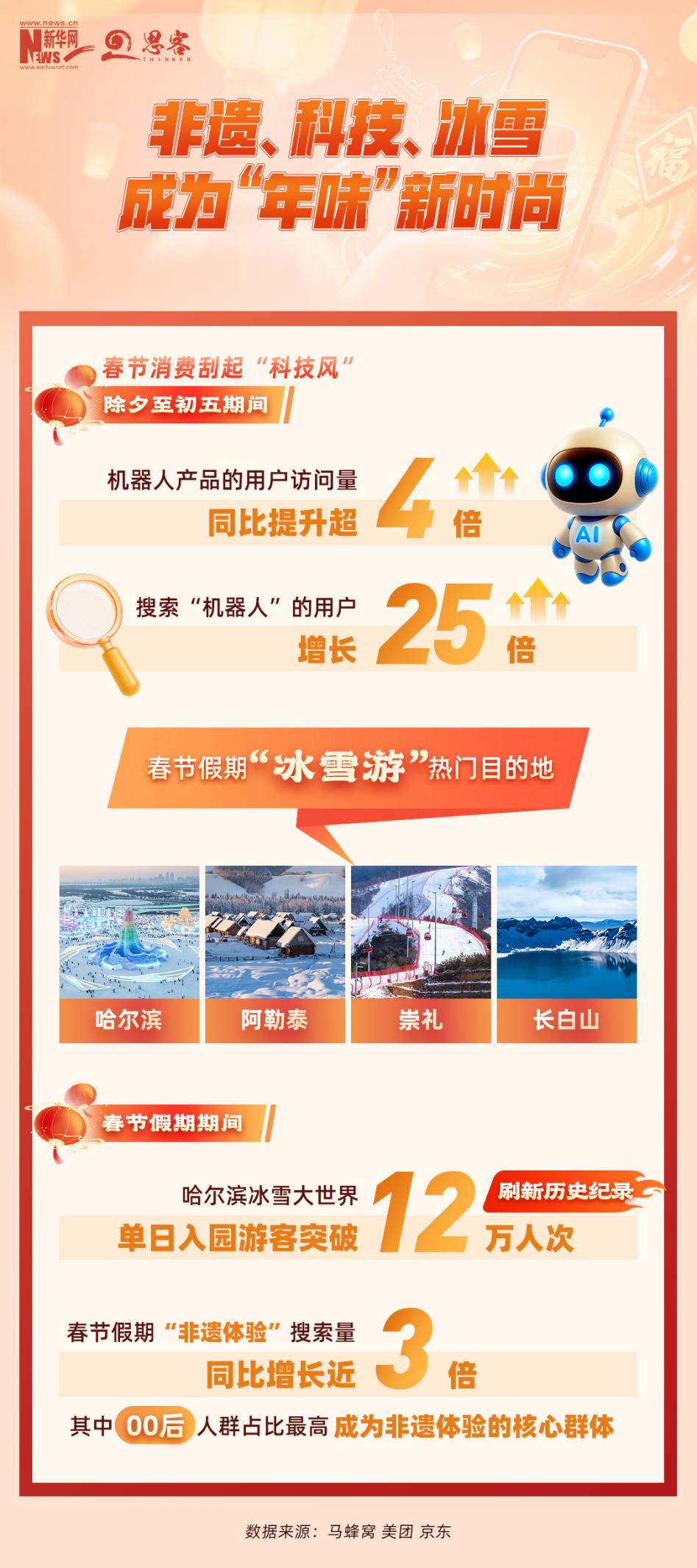
Group 1 - The Spring Festival holiday saw a surge in consumer activity, with new trends emerging in consumption patterns, including "segment-style" and "reverse" celebrations [2][6] - Foreign tourists are increasingly visiting China during the Spring Festival to experience traditional culture, with cities like Beijing and Shanghai offering curated travel routes and cultural experiences [2] - The integration of technology into the Spring Festival celebrations, such as robot performances, has sparked consumer interest in tech products, leading to significant sales growth [3][6] Group 2 - The experience of intangible cultural heritage has shifted from "check-in" to "immersive," attracting young tourists to engage in traditional cultural activities [6] - The Winter Olympics coinciding with the Spring Festival has boosted interest in winter sports, with indoor skiing facilities seeing a 117% increase in search volume in Shanghai [6] - New service consumption trends have emerged, including on-demand services like pet care and home chefs, reflecting a growing demand for personalized and quality services during the holiday [7][9]
多彩非遗扮靓假期
Jing Ji Ri Bao· 2026-02-24 22:24
Core Viewpoint - The news highlights the vibrant celebration of traditional culture and heritage in Ningxia during the Spring Festival, showcasing various activities that enhance the festive atmosphere and promote local intangible cultural heritage [1][2]. Group 1: Cultural Activities - The "Non-Heritage New Year Celebration: Reunion with Ten Bowls" event in Pengyang County features the local intangible cultural heritage dish known as "Pengyang Ten Bowls," symbolizing completeness and good fortune [1]. - The event included 45 tasting tables decorated with traditional large bowl designs and red tablecloths, each featuring story cards that narrate the history and auspicious meanings of the "Ten Bowls" [1]. - The "Climbing the Helan Peak: Welcoming the Year of the Horse" event in Helan County combines fitness, folk customs, and the scenic beauty of Helan Mountain, allowing visitors to enjoy cultural experiences during the New Year [1]. Group 2: Non-Heritage Experience - The "Non-Heritage Flavor Experience Zone" at the Ningxia Helan Mountain National Forest Park features interactive displays of traditional crafts such as paper-cutting and soft pottery, allowing visitors to engage with the cultural heritage [2]. - The "Celebrating the New Year with Non-Heritage in Ningxia" series of activities, themed "Non-Heritage Charm of the Frontier: A Prosperous Chinese New Year," will run until March 11, featuring over 200 events across various cities [2]. - The launch of the "Non-Heritage New Year" cultural tourism series in Yinchuan included a market with nearly 100 booths showcasing high-quality non-heritage products and local specialties, creating an immersive shopping experience [2]. Group 3: Economic Impact - The protection and transmission of intangible cultural heritage have led to job creation for artisans, with 140 non-heritage workshops in Ningxia directly employing 12,000 people and achieving annual sales exceeding 10 billion yuan [2].
春风拂大阪年味满侨城,2026年大阪春节祭举行
Xin Lang Cai Jing· 2026-02-24 05:59
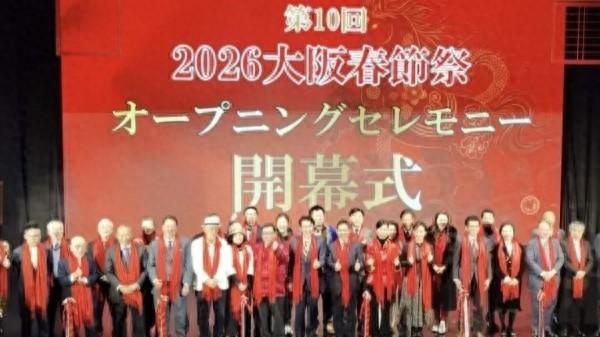
Core Viewpoint - The 2026 Osaka Spring Festival, a significant cultural event in Western Japan, serves as an important platform for promoting Chinese culture and enhancing Sino-Japanese exchanges amidst current challenges in bilateral relations [3]. Group 1: Event Overview - The 2026 Osaka Spring Festival was held at the Osaka Cultural Center, Tenpozan, featuring a vibrant atmosphere with decorations and a large attendance of nearly 500 guests from various sectors [3]. - The event showcased a variety of traditional Chinese foods and cultural performances, creating an immersive experience for attendees [4]. Group 2: Cultural Significance - The festival has developed over ten years into a crucial venue for cultural exchange, as highlighted by the remarks of the Deputy Consul General of China in Osaka, Wei Youmei [3]. - The event included traditional crafts and performances, such as Sichuan opera face-changing and classical music, which received enthusiastic responses from the audience [4].
“美丽工坊”圆残疾人就业梦
Xin Lang Cai Jing· 2026-02-23 20:39
Core Viewpoint - The article highlights the efforts of the Inner Mongolia Muke Social Work Service Center in providing employment and training opportunities for disabled individuals, showcasing their craftsmanship in traditional arts and crafts, and promoting social inclusion and self-worth among this community [4][5]. Group 1: Employment and Training Initiatives - The Inner Mongolia Muke Social Work Service Center offers customized employment training for disabled individuals, enabling them to master various traditional handicraft skills such as Song brocade, paper-cutting, and cloisonné [4]. - The center employs a "delivery to home" model for those unable to attend in person, allowing them to participate in the creation of handicrafts from home [4]. Group 2: Achievements and Recognition - In 2025, the center was recognized as a national "Beautiful Workshop," with its products showcased at the 21st China (Shenzhen) International Cultural Industries Fair and at the United Nations headquarters in New York [5]. - In 2025, Inner Mongolia added 10,529 jobs for disabled individuals and trained 8,257, demonstrating significant success in employment support [5]. Group 3: Social Impact and Community Development - The initiatives in Inner Mongolia are characterized by diversity, inclusivity, and innovation, continuously improving the employment environment for disabled individuals [5]. - The combination of policy support and social participation is enabling more disabled individuals to realize their self-worth and integrate into societal development [5].
热气腾腾的中国年|无锡:年味添“新”意,春节里的“文化味”与“新风尚”
Xin Lang Cai Jing· 2026-02-23 14:33
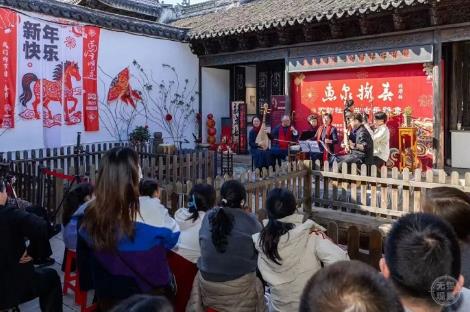
Group 1 - The core theme of the news is the vibrant cultural activities in Wuxi during the Spring Festival, showcasing a blend of traditional arts and modern practices that enhance the festive atmosphere [1][3][5] - The "Huiquan Xiespring" themed Kunqu opera performance attracted over 40 enthusiasts from five cities, highlighting the revival of traditional culture in urban settings [3] - The Huiquan Academy has hosted various high-quality exhibitions since its opening last year, contributing to the cultural richness of the city [3] Group 2 - In the Xishan District, community members engaged in traditional crafts such as printmaking and paper-cutting, emphasizing the immersive experience of cultural heritage [5] - In the Xinwu District, children participated in interactive games that incorporated traditional Chinese idioms, blending education with entertainment [6] - Over 1,800 diverse activities were organized across Wuxi's cultural practice centers during the winter vacation, promoting knowledge and cultural appreciation among the youth [8]
福建宁化:非遗闹春添年味 新春民俗引客来
Xin Lang Cai Jing· 2026-02-23 12:30
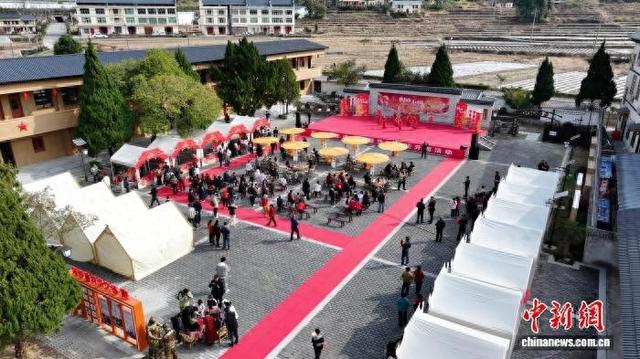
Group 1 - The event "Non-heritage Spring Festival, Fortune on the Way" was held in Chen Tang Village, Shibi Town, Ninghua County, Fujian Province, marking the opening of the "Chuan Chen Workshop" [1][3] - The ceremony featured a blend of traditional and modern Hakka culture, including non-heritage experiences, Hakka cuisine, and century-old folk customs, creating a vibrant cultural celebration [3][5] - Five non-heritage experience zones were opened, allowing visitors to engage in activities such as making pottery, sewing sachets, and learning paper-cutting and woodblock printing, enhancing the interactive experience of Hakka heritage [7]