
生菜等)

Search documents
商务预报:12月15日至21日食用农产品略有上涨
Shang Wu Bu Wang Zhan· 2025-12-26 05:48
Group 1 - The national market price of edible agricultural products increased by 0.2% from December 15 to 21 compared to the previous week [1] - The average wholesale prices of six types of fruits saw a slight increase, with watermelon, grapes, and bananas rising by 3.5%, 2.6%, and 1.6% respectively [1] Group 2 - Wholesale prices of poultry products experienced a slight increase, with both eggs and broiler chickens rising by 0.1% [2] Group 3 - The wholesale price of pork was 18.08 yuan per kilogram, increasing by 0.4%, while beef and lamb prices remained stable compared to the previous week [3] - Grain and oil wholesale prices showed slight fluctuations, with flour increasing by 0.2%, while canola oil and rice remained stable; peanut oil and soybean oil decreased by 0.2% and 0.1% respectively [3] - Wholesale prices of aquatic products saw a slight decline, with grass carp, crucian carp, and large yellow croaker decreasing by 0.4%, 0.4%, and 0.1% respectively [3] - The average wholesale price of 30 types of vegetables was 5.99 yuan per kilogram, decreasing by 0.7%, with cauliflower, broccoli, and lettuce dropping by 13.4%, 11.6%, and 10.2% respectively [3]

农业科普·品尝舌尖上第一口“鲜” 解锁反季节蔬菜背后高科技“密码”
Yang Shi Wang· 2025-12-10 07:16
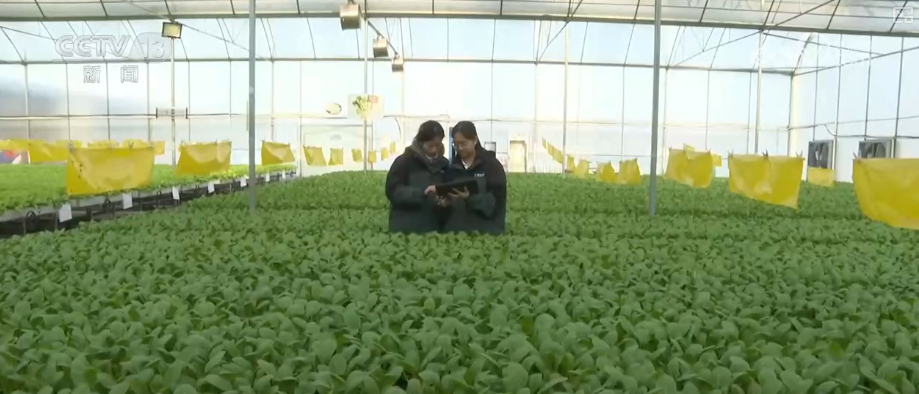
Core Viewpoint - The article addresses misconceptions about off-season vegetables, clarifying that they are produced using modern agricultural technologies and do not inherently lack nutrition or safety [1][3][15]. Group 1: Definition and Types of Off-Season Vegetables - Off-season vegetables are defined as agricultural products that are grown outside their traditional harvest periods through modern technology, allowing for year-round supply [3]. - There are three main categories of off-season vegetables: those grown in different geographical locations, emergency reserves using preservation techniques, and those cultivated in greenhouses [4]. Group 2: Nutritional Value and Quality - Misconceptions about off-season vegetables lacking nutrition stem from perceived differences in taste and texture, which do not equate to a lack of nutritional value [6][7]. - While growing conditions can affect the flavor and texture of vegetables, the fundamental nutritional components remain stable [10]. - The use of cold chain logistics and immediate pre-cooling after harvest can significantly reduce nutrient loss and maintain freshness [12]. Group 3: Safety and Pesticide Use - Claims that off-season vegetables contain high pesticide residues are misleading; modern agricultural practices involve strict management of pesticide use [15][17]. - The majority of pesticides used today are biodegradable and subject to safety testing before products reach the market [17]. Group 4: Technological Innovations in Off-Season Vegetable Production - Advanced technologies in greenhouse farming allow for the production of off-season vegetables, with controlled environments ensuring optimal growth conditions [22][30]. - In a specific intelligent greenhouse in Shandong, the temperature is maintained above 15°C during winter, and automated systems monitor humidity and temperature to support vegetable growth [26][28]. - The use of LED grow lights compensates for reduced sunlight in winter, enhancing the growth of off-season crops like cucumbers, achieving yields comparable to summer production [31].

灾区抢农时——甘肃榆中全力恢复农业生产一线见闻
Xin Hua She· 2025-08-13 12:52
Group 1 - The article highlights the recovery efforts in Yuzhong County, Gansu Province, following a mountain flood disaster, with a focus on the agricultural sector and the importance of highland summer vegetables [1][2] - The local government has established direct sales points for vegetable distribution to facilitate the sale of highland summer vegetables, which constitute about one-third of the annual disposable income for farmers [2] - The recovery of infrastructure such as water, electricity, and transportation has accelerated agricultural production, with emergency road repairs completed and vegetable purchase activities resuming [1][3] Group 2 - The article reports that the daily sales volume of scattered flower vegetables reached approximately 300,000 pounds, primarily sold to regions like Guangdong [2] - The price of scattered flower vegetables has increased compared to the same period last year, with a reported price of around 2.5 yuan per pound on the 12th [3] - Agricultural recovery plans and insurance compensation processes are being implemented to support affected farmers and restore agricultural production [3]