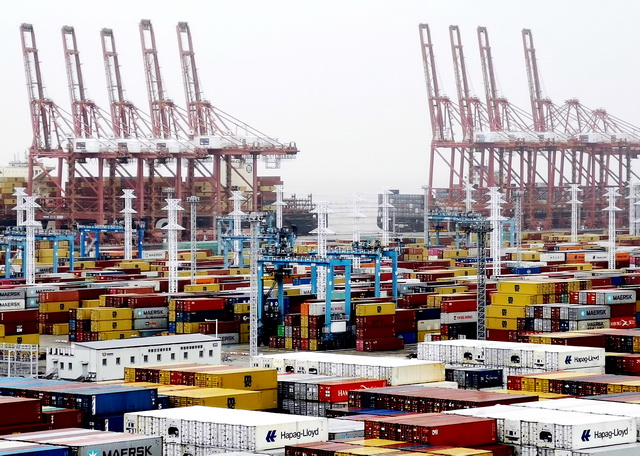
甬港安

Search documents
调费率、重预防 多地力推安责险为企业系好“保险带”
Bei Jing Shang Bao· 2025-11-19 01:38
Core Viewpoint - The implementation of safety production responsibility insurance (安责险) is being enhanced across various regions in China, with new policies aimed at improving accident prevention and regulatory oversight, thereby strengthening the insurance framework for high-risk industries [1][2][3]. Group 1: Policy Implementation and Regulation - The Ministry of Emergency Management and six other departments issued the "Implementation Measures for Safety Production Responsibility Insurance" in April, providing clear guidelines for local governments [1]. - Shanxi Province has mandated that in high-risk industries, 20% of the actual insurance premium collected must be allocated for accident prevention services, with a minimum compensation limit of 400,000 yuan per person for death or disability [2][3]. - Hunan Province has introduced a dynamic rate adjustment mechanism for insurance premiums based on various safety factors, effective from December 1 [2]. Group 2: Product Development and Innovation - Insurance companies are shifting from standardized products to customized offerings, focusing on specific high-risk industries and expanding coverage [1][3]. - Ningbo City has launched a specialized insurance product for the port sector, emphasizing risk reduction and preemptive services, with a dynamic premium mechanism linked to safety performance [3][5]. - The market is moving towards more precise and segmented insurance products, with a focus on enhancing risk management capabilities [5]. Group 3: Challenges and Future Directions - Current challenges in the 安责险 market include pricing risks, the effectiveness of accident prevention services, and the complexity of multi-party collaboration [6]. - Companies are encouraged to integrate technology, such as IoT and big data, into their insurance solutions to proactively manage risks [6]. - A comprehensive risk management approach is recommended, encompassing pre-emptive training, emergency response assistance, and efficient claims processing to create a complete safety management loop [6].
调费率、重预防 多地力推安责险为企业系好“保险带”
Bei Jing Shang Bao· 2025-11-19 01:33
Core Viewpoint - The implementation of safety production responsibility insurance (安责险) is being enhanced across various regions in China, with a focus on customized products, accident prevention, and stricter regulations to improve safety management in high-risk industries [1][2][3]. Group 1: Policy Implementation - In April, the Ministry of Emergency Management and six other departments issued the "Implementation Measures for Safety Production Responsibility Insurance," providing clear guidelines for local governments [1]. - Shanxi Province mandates that in high-risk industries, 20% of the actual premium collected for 安责险 must be allocated for accident prevention services, with a minimum compensation limit of 400,000 yuan per person for death or disability [1][2]. - Hunan Province has introduced a dynamic rate adjustment mechanism for 安责险 based on various factors, including accident records and compliance with safety standards [2]. Group 2: Product Development - The insurance industry is shifting from standardized products to customized offerings tailored to specific high-risk sectors, enhancing the scope of coverage [1][3]. - Ningbo City has launched a specialized 安责险 product for the port sector, featuring a floating rate mechanism linked to the safety performance of enterprises [3][5]. - The focus is on transforming the service model from mere compensation to proactive risk management, with insurance companies becoming partners in safety management [5][6]. Group 3: Market Trends - The release of the "Implementation Measures" has acted as a catalyst for market standardization, moving away from chaotic competition towards a more orderly market [4]. - The insurance sector is increasingly adopting technology, such as IoT and big data, to enhance risk assessment and prevention capabilities [6]. - There is a growing emphasis on creating a complete safety management loop that includes pre-incident training, real-time response, and post-incident support [6].

调费率、重预防,多地力推安责险为企业系好“保险带”
Bei Jing Shang Bao· 2025-11-18 13:11
Core Viewpoint - The implementation of the Safety Production Responsibility Insurance (安责险) is being strengthened across various regions in China, with new policies aimed at enhancing safety management in high-risk industries and ensuring compliance with insurance requirements [1][4][6]. Group 1: Policy Implementation - The Ministry of Emergency Management and six other departments issued the "Implementation Measures for Safety Production Responsibility Insurance" in April, providing clear guidelines for local governments [1][7]. - Multiple regions, including Shanxi and Hunan, are introducing new regulations to enhance the effectiveness of 安责险, focusing on premium adjustments, accident prevention, and stricter supervision [4][5]. - Shanxi Province mandates that the accident prevention service budget must be set at 20% of the actual premium collected for 安责险, with a minimum compensation limit of 400,000 yuan per person for death or disability [4][5]. Group 2: Industry Response - Insurers are encouraged to shift from standardized products to customized solutions, focusing on in-depth research in high-risk sectors and expanding coverage to better meet industry-specific needs [3][6]. - The introduction of dynamic premium adjustment mechanisms based on accident records and safety compliance is being implemented to ensure fair pricing and incentivize better safety practices among insured companies [4][7]. Group 3: Service Enhancement - The focus of the insurance industry is transitioning from claims processing to risk management, with insurers becoming partners in risk management rather than just providers of insurance [8][9]. - Companies are advised to either build their own teams of safety engineers or collaborate with top-tier safety service providers to ensure effective accident prevention services [9]. - A complete risk management cycle is being promoted, encompassing pre-incident training, real-time support during incidents, and post-incident claims assistance [9].
事前预防、事中监管、事后赔偿,港口安责险试点收效
Di Yi Cai Jing· 2025-05-01 05:21
Core Viewpoint - The implementation of port safety production liability insurance (referred to as "safety liability insurance") in China's transportation industry has shown significant improvements in safety assurance and enterprise satisfaction, with innovative results being promoted nationwide [1][2]. Group 1: Industry Background - The transportation industry is classified as one of the eight high-risk industries by the state, making it a key area for the implementation of safety production liability insurance [1]. - The new "Safety Production Law," effective from September 1, 2021, mandates that production and operation units in high-risk industries must purchase safety production liability insurance [2]. Group 2: Implementation and Innovations - The pilot program for port safety production liability insurance has led to the creation of a dedicated insurance product called "Yonggang An," which addresses the specific safety risks of various port enterprises [2][4]. - The insurance product includes features such as third-party liability coverage and a dynamic premium adjustment system based on safety performance and credit ratings, incentivizing companies to enhance safety management [4]. Group 3: Achievements and Impact - As of December 2023, Ningbo successfully issued the first port safety liability insurance policy in the country, with over 70 port enterprises insured and a total premium exceeding 12 million yuan [5][6]. - The pilot program has achieved a 100% closure rate for identified safety hazards, with a high satisfaction rate for the accident prevention technical services provided to enterprises [6]. Group 4: Future Directions - The industry aims to establish a comprehensive safety management framework that combines insurance risk coverage, technical prevention services, and proactive safety management by port enterprises [7].