电竞世界杯

Search documents
体育烧光了沙特的钱?
虎嗅APP· 2025-12-11 09:35
Core Viewpoint - Saudi Arabia's sports investment strategy is shifting from aggressive expansion to a more cautious approach, focusing on sustainable returns and long-term viability in the face of economic pressures and changing priorities [5][9][25]. Group 1: Economic Context and Strategy Shift - Saudi Arabia's GDP grew over tenfold from 1973 to 1981 due to oil price surges, but reliance on oil has made the economy vulnerable to price fluctuations [4]. - The introduction of the "Vision 2030" plan in 2016 aimed to diversify the economy away from oil dependency, with sports becoming a key component of this strategy [5][6]. - The Public Investment Fund (PIF), with assets exceeding $900 billion, is central to this diversification, but recent signals indicate a slowdown in spending on sports and entertainment [9][10]. Group 2: Impact on Sports Investments - PIF's investment contracts dropped by 84% in the first five months of the year, indicating a significant reduction in capital allocation for sports [9]. - The aggressive expansion in sports was initially aimed at enhancing Saudi Arabia's global image and influence, but the sustainability of such investments is now under scrutiny [10][25]. - LIV Golf, a major investment by PIF, has incurred over $1 billion in losses, raising questions about the long-term viability of such high-cost ventures [12][13]. Group 3: NEOM and Future Projects - NEOM, a $500 billion mega-project, is central to Saudi Arabia's post-oil growth strategy, but it faces significant cost overruns and operational challenges [15][18]. - The 2029 Asian Winter Games, planned to be held in NEOM, may be postponed due to these financial pressures, reflecting a broader reassessment of large-scale projects [17][21]. - The need for substantial resources, such as water for artificial snow, adds to the complexity and cost of NEOM, further straining the budget [20]. Group 4: Future of Sports in Saudi Arabia - The shift in investment strategy suggests a more selective approach to sports, focusing on areas with proven revenue potential, such as football, while reducing exposure in less sustainable sectors like boxing [25][26]. - Esports and gaming are emerging as potential focal points for future investments, indicating a strategic pivot towards digital entertainment [27]. - The overall trend suggests that the sports industry will need to adapt to a new reality of reduced funding, emphasizing self-sustainability and realistic financial models [29].

沙特电竞世界杯:从中东热情到新经济布局
Yang Shi Xin Wen Ke Hu Duan· 2025-08-26 06:07
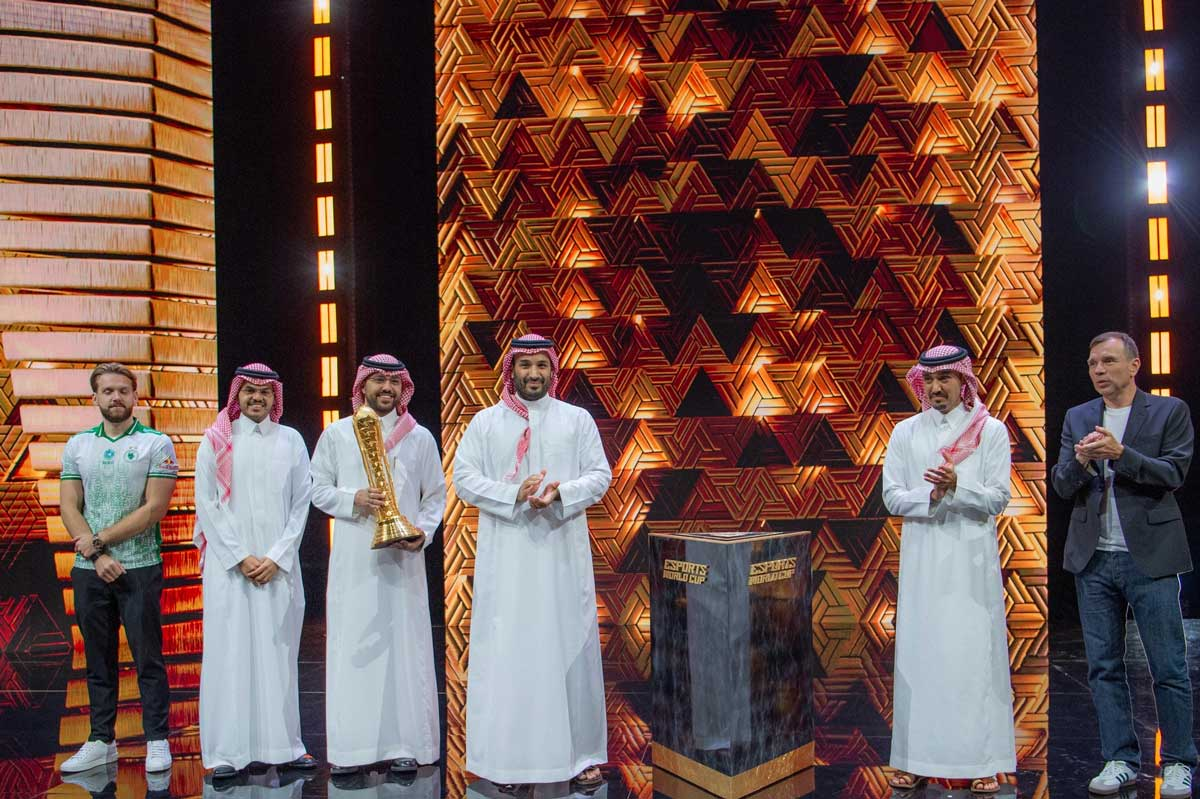
Core Points - The second Electronic Sports World Cup concluded in Riyadh, Saudi Arabia, featuring 25 tournaments across 24 popular esports titles, with a record prize pool exceeding $70 million [1][3] - The event attracted over 2,000 participants and was attended by notable figures, including Saudi Crown Prince Mohammed bin Salman, who awarded the championship trophy to the winning team, Team Falcons [1][3] Economic Impact - The event is part of Saudi Arabia's Vision 2030 strategy, aiming to diversify the economy beyond oil by investing in the gaming and esports industry [8][10] - Saudi Arabia has approximately 23.5 million gamers, representing 67% of the population, with 44% aged between 18 and 35, indicating a significant market potential [8][10] - The esports industry is expected to contribute around 50 billion Saudi Riyals (approximately 95.7 billion RMB) to the GDP and create over 39,000 new jobs by 2030 [10] Event Highlights - The event generated substantial economic benefits through ticket sales, sponsorships, and broadcasting rights, with ticket sales increasing by 53% compared to the previous edition [12] - The tournament attracted tens of thousands of international tourists, boosting local industries such as hospitality and transportation [12] - The event also provided a platform for the gaming development, esports equipment manufacturing, and content creation industries [12] Social Impact - The esports World Cup serves as a means for Saudi Arabia to reshape its social image and connect with global culture, moving beyond traditional associations with oil and desert [11][14] - The event showcased a significant female presence among both participants and attendees, reflecting social changes within Saudi Arabia [14] Cultural Exchange - The event featured collaborations with Chinese enterprises to enhance its visibility in China, resulting in more localized broadcasts and sponsorships [15][16] - The "China-Saudi Esports Cultural Carnival" was held alongside the World Cup, celebrating the 35th anniversary of diplomatic relations between China and Saudi Arabia [16]