
白橘

Search documents
焦点访谈|了不起的长江十年蝶变 绘就生态与民生共兴图景
Yang Shi Wang· 2026-01-08 13:31
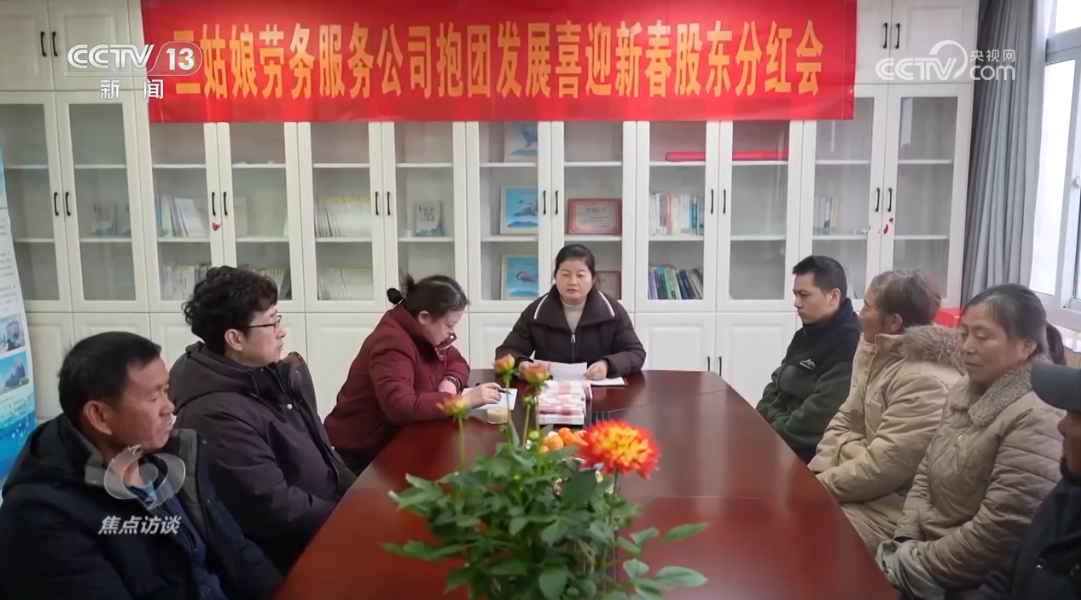
Core Viewpoint - The implementation of the "coordinated protection and no large-scale development" strategy over the past decade has significantly improved the living conditions and economic opportunities for residents along the Yangtze River Economic Belt, which covers 11 provinces and municipalities, accounting for about one-fifth of the country's area and over 40% of its population [1][22]. Group 1: Economic Transformation - The Yangtze River Economic Belt has seen a substantial increase in regional GDP, now accounting for nearly half of the national total [1]. - The per capita disposable income of residents in the 11 provinces and municipalities has nearly doubled from 23,000 yuan to 44,000 yuan over the past decade [20]. - The number of retired fishermen who have been resettled and found new employment has reached 231,000, with all capable individuals now engaged in new occupations [10]. Group 2: Environmental Restoration - The strategy has led to significant ecological improvements, with a focus on banning illegal fishing and restoring aquatic ecosystems, including a ten-year fishing ban implemented in January 2021 [7][9]. - The transformation of areas like Xuejiawa, which previously suffered from ecological degradation, showcases the successful shift from fishing to alternative livelihoods, such as labor services [5][9]. Group 3: Infrastructure Development - The infrastructure within the Yangtze River Economic Belt has undergone historic advancements, with the addition of approximately 470,000 kilometers of new roads and 134,000 new bridges over the past decade [20]. - The railway operating mileage has increased from 36,600 kilometers to 53,000 kilometers, enhancing connectivity and facilitating economic activities across the region [20]. Group 4: Community and Social Impact - The stories of individuals like Chen Lanxiang, who transitioned from fishing to running a labor company, reflect the broader trend of fishermen finding new paths to stability and prosperity [3][9]. - The establishment of cooperatives and the cultivation of cash crops, such as citrus fruits, have empowered local communities and improved their economic conditions [12][16].

让四季果香更“浓” 让冷凉蔬菜更“热” 邮储银行云南省昭通分行精准滴灌高原特色农业产业
Jin Rong Shi Bao· 2026-01-08 03:35
Core Insights - The article highlights the role of Postal Savings Bank in supporting agricultural development in Yunnan Province, particularly in Zhaotong City, through tailored financial services that align with local agricultural characteristics and the rural revitalization strategy [1][2][3][4][5][6] Group 1: Agricultural Development - The diverse climate and geography of the region contribute to a rich agricultural landscape, with low-altitude tropical fruits and high-altitude cool vegetables thriving [1] - In Yongshan County, the area dedicated to specialty fruit cultivation has reached 195,000 mu, with an annual output of approximately 100,000 tons and a production value exceeding 1.1 billion yuan [2] - The bank's "industry loan" products have been instrumental in addressing the financing needs of local farmers, enabling them to expand their operations and improve productivity [2][3] Group 2: Financial Support Mechanisms - Postal Savings Bank has introduced various financial products, such as "loquat loans" and "citrus loans," to support the development of specialty fruit industries [2] - The bank's proactive approach includes on-site visits and personalized financial solutions, which have effectively resolved funding challenges for farmers [2][3] - The bank has streamlined its loan approval process, reducing the time to 24 hours, thus enhancing accessibility for farmers and businesses [5][6] Group 3: Impact on Local Economy - The modernization of agricultural practices, supported by the bank's loans, has led to significant increases in crop yields, with some farmers reporting a 30% increase in production [3] - The transformation of previously idle land into productive agricultural areas has created job opportunities and increased income for local communities [5][6] - As of October 2025, the bank's inclusive finance initiatives have resulted in a balance of 960 million yuan in loans for small and micro enterprises, serving 4,528 clients [6]
