皮质醇

Search documents
体重为啥总减不下来?中疾控提示2个关键“隐形推手”
Ren Min Wang· 2025-10-17 07:09
Core Insights - The article discusses the hidden factors contributing to weight gain, emphasizing that insufficient sleep and chronic stress are significant contributors beyond diet and exercise [1] Sleep and Weight Management - Sleep deprivation disrupts the balance of appetite-regulating hormones, specifically increasing ghrelin (hunger hormone) by 28% and decreasing leptin (satiety hormone) by 18% after just two days of less than 5 hours of sleep [2] - This hormonal imbalance leads to a 33%-45% increase in cravings for high-carbohydrate and high-calorie foods, while cravings for low-calorie fruits and vegetables only increase by 5%-8% [2] - Insufficient sleep also reduces insulin sensitivity, requiring more insulin to maintain blood sugar levels, which can lead to increased fat storage, particularly in the abdominal area [2] Stress and Weight Management - Chronic stress results in elevated cortisol levels, which can lead to weight gain by promoting insulin resistance and increasing appetite through the stimulation of ghrelin and suppression of leptin [3] - Elevated cortisol levels can cause blood sugar fluctuations, necessitating repeated insulin secretion, which can convert excess glucose into fat [3] Strategies for Weight Management - Establishing a regular sleep schedule is crucial, with recommendations to sleep between 10 PM and 7 AM, ensuring 7-8 hours of sleep [5] - Engaging in light physical activities before bed, such as low-intensity resistance exercises or yoga, can promote relaxation and improve sleep quality [6] - Incorporating moderate-intensity aerobic exercise or strength training during the day can help alleviate stress and enhance sleep quality by increasing endorphin and melatonin levels [7] - Dinner should be light and nutritious, avoiding high-fat and hard-to-digest foods, with suggestions for preparing low-calorie snacks for late-night work [8] - The article emphasizes that quality sleep and emotional stability are foundational for effective weight management, advocating for a holistic approach to achieving metabolic balance [8]
一个会让身体偷偷囤积脂肪、食欲暴增的原因,很多人不知道
Qi Lu Wan Bao· 2025-09-21 14:18
Group 1 - Cortisol is a glucocorticoid hormone secreted by the adrenal cortex, essential for normal growth, development, and metabolism [2] - It has a clear circadian rhythm, peaking in the early morning to help wake the body and decreasing in the evening to promote relaxation [2] - Cortisol is often referred to as the "stress hormone" due to its increased secretion during stressful situations [3] Group 2 - Cortisol plays a crucial role in responding to survival crises and stress, acting as a 24-hour alert system for the body [4][5] - It helps regulate stress, break down fats, stabilize blood pressure, and enhance energy levels [7] - Chronic high levels of cortisol can lead to various health issues, including fatigue, weight gain, and anxiety [7] Group 3 - While high cortisol levels are often blamed for obesity, it is more accurately described as a "booster" rather than the primary cause [8][9] - The main cause of obesity is a long-term caloric surplus, where energy intake exceeds energy expenditure [9] - High cortisol levels can increase appetite and preference for high-calorie foods, contributing to abdominal obesity [11] Group 4 - Drinking coffee on an empty stomach can elevate cortisol levels due to the body's stress response to low blood sugar [13] - Habitual coffee drinkers may develop a tolerance, resulting in a reduced cortisol response over time [15] - It is recommended to limit caffeine intake to no more than 400 milligrams per day, approximately 3-5 cups of coffee [15] Group 5 - Self-assessment methods for cortisol levels found online are often unreliable and can lead to misinterpretation of symptoms [16] - Factors such as sleep deprivation and nutritional deficiencies can also cause fatigue and weight gain, complicating the identification of cortisol issues [16] - It is advised to manage stress through healthy lifestyle choices rather than self-diagnosing cortisol levels [17] Group 6 - Cortisol is essential for survival, helping the body manage stress and maintain blood sugar and blood pressure [18] - To manage cortisol levels effectively, adopting a healthy lifestyle is crucial, including quality sleep, stress management, and balanced nutrition [18][20] - Regular moderate exercise and a varied diet can help stabilize hormone levels and improve overall health [20]


你的压力是可控的:了解大脑对皮质醇的反应
3 6 Ke· 2025-06-03 03:22
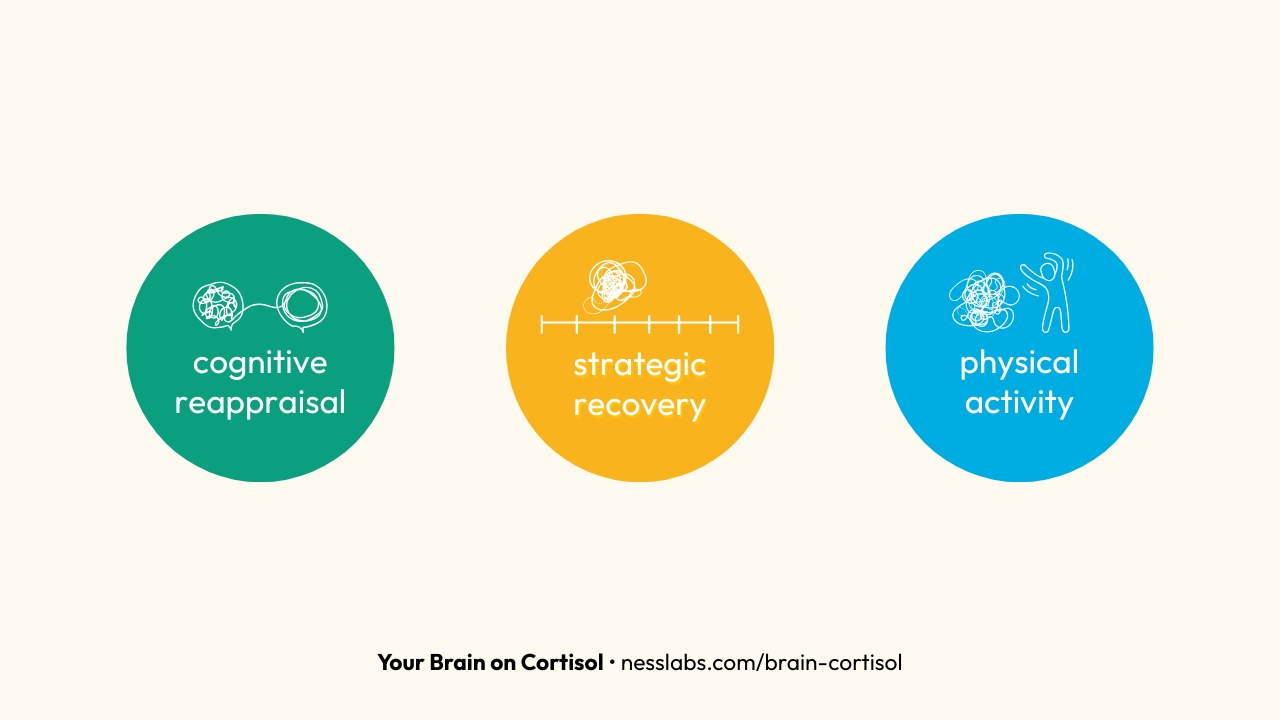
Core Insights - The article discusses the impact of cortisol on human health, emphasizing that while cortisol is essential for survival, its prolonged elevation due to modern stressors can lead to significant health issues [2][4]. Group 1: Understanding Cortisol - Cortisol is a complex chemical messenger that helps humans respond to threats, but its long-term elevation is linked to memory impairment, immune suppression, and various metabolic issues [2][4]. - The body's response to stress involves a precise neurobiological pathway, where the hypothalamus activates the hypothalamic-pituitary-adrenal axis, leading to cortisol release [3][4]. Group 2: Effects of Chronic Stress - Chronic elevation of cortisol can result in serious biological consequences, including decreased memory and executive function, changes in neuron structure, and widespread metabolic problems [4]. - The physiological structure of humans is not designed to cope with the long-term stress prevalent in modern life, which includes toxic productivity and information overload [4]. Group 3: Managing Cortisol Levels - Strategies to manage cortisol levels include cognitive reappraisal, strategic recovery, and regular exercise, which can help the body handle stress more effectively [5][8]. - Cognitive reappraisal involves changing the perception of stress, which can positively affect cardiovascular responses [8]. - Engaging in focused work followed by short breaks can help align with the body's natural cortisol rhythms, while moderate exercise is beneficial for cortisol regulation [8].