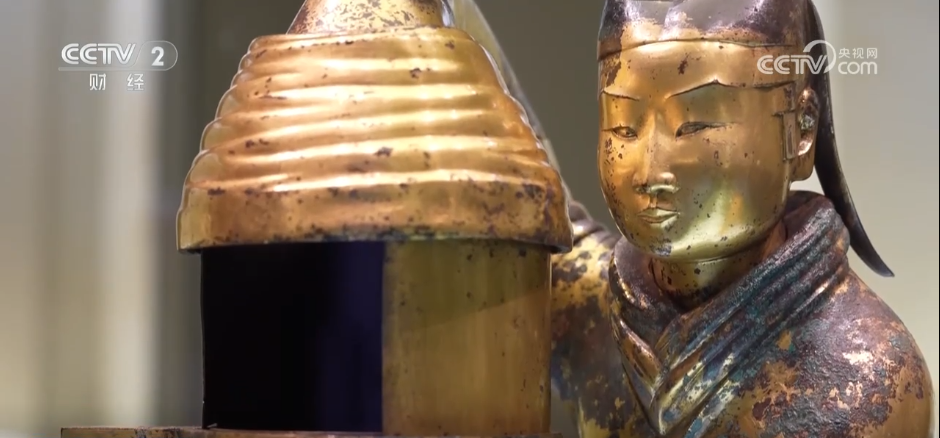
皿方罍慕斯蛋糕

Search documents
“甲骨文面”“司母戊鼎米饭”“编钟牛肉面”火出圈 创意激活文化消费新潮活力
Yang Shi Wang· 2025-12-01 07:29
Core Viewpoint - Recent trends show museums in various regions are opening cafeterias and offering creative cuisine, attracting numerous visitors with unique food items inspired by cultural artifacts [1][3][10]. Group 1: Museum Cafeteria Offerings - The Henan Anyang Yin Xu Museum features "Oracle Bone Noodles," which have achieved daily sales of hundreds of servings during weekends and holidays since their introduction [6]. - The Hebei Museum offers a "Changxin Palace Lantern Noodle" dish, which has gained popularity, with visitors queuing to experience this unique culinary creation [3][10]. - The Hubei Museum's "Bianzhong Beef Noodles" has become a hit, initially limited to 200 bowls per day, which sold out quickly [10]. Group 2: Cultural Integration in Cuisine - The integration of cultural elements into food items, such as the "Bianzhong" shaped marinated egg in the beef noodles, provides visitors with a unique experience that combines taste and cultural heritage [10][12]. - The Hunan Museum has successfully blended cultural motifs and dessert dishes, receiving positive feedback from consumers [12]. - Innovative desserts like the "Mifan" mousse cake and "Naughty Little Raccoon" chocolate mousse are inspired by ancient artifacts, showcasing a creative fusion of history and modern culinary art [15]. Group 3: Technological Integration - The Hunan Museum employs advanced technologies like high-precision scanning and 3D modeling to extract aesthetic elements from artifacts, creating a digital material library for further creative development [17]. - Collaborations with designers and illustrators allow for the transformation of cultural elements into contemporary products, maintaining cultural integrity while appealing to modern aesthetics [17].

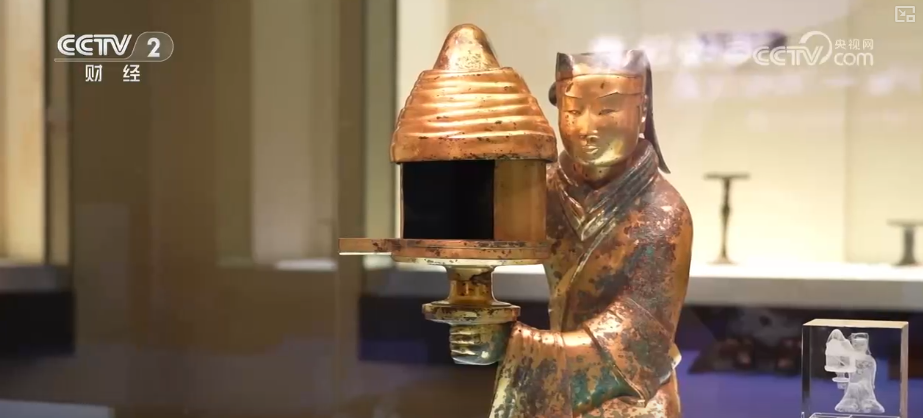
文物变甜品!去博物馆里“干饭”,创新激活消费新引擎
Sou Hu Cai Jing· 2025-11-30 13:36
Group 1 - The core idea of the news is the integration of cultural heritage and culinary experiences at the Hunan Provincial Museum, where traditional elements are used to create popular desserts [1][5]. - The museum has introduced a variety of desserts inspired by cultural artifacts, such as the "Mou Si Cake" and "Su Sha Can Yi," showcasing a blend of flavors and artistic presentation [3][5]. - The museum park features a range of cultural and creative products, including dishes and drinks that draw inspiration from historical artifacts, enhancing the visitor experience [5][7]. Group 2 - The museum employs advanced technologies like high-precision scanning and 3D modeling to accurately capture aesthetic elements from artifacts, creating a digital material library [7]. - Collaborations with designers and illustrators allow for the reinterpretation of cultural elements, ensuring they retain their cultural significance while appealing to contemporary tastes [7].
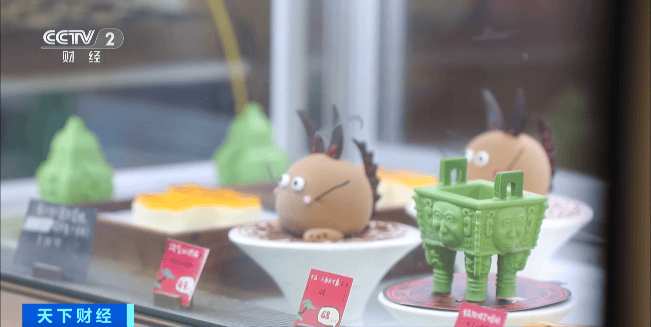
当高冷文物遇上人间烟火 “文化+美食”创新跨界藏着多少惊喜?
Yang Shi Wang· 2025-11-30 08:23
Core Insights - Recent trend of museums in China opening cafeterias featuring creative dishes has attracted many visitors, enhancing the cultural experience [1][5][10] Group 1: Museum Cafeteria Offerings - The Anyang Yin Ruins Museum in Henan has introduced "Oracle Bone Noodles," achieving daily sales of 500 to 600 portions on weekends and holidays since its opening [5][8] - The Hebei Museum's "Changxin Palace Lantern" noodle dish, made with steamed egg, has become a popular item, drawing long queues of visitors [3][10] - Hubei Museum's "Bell Beef Noodles," featuring a replica bell-shaped egg, has quickly sold out its initial daily limit of 200 bowls since launch [10] Group 2: Cultural Integration and Visitor Experience - The integration of cultural elements into food offerings, such as the use of oracle bone characters on noodles, enhances visitors' understanding of ancient cultures [8][14] - The Hunan Museum has collaborated with cultural and culinary institutions to create desserts inspired by artifacts, such as the "Mifan" mousse cake and "Su Sha Can Yi" dessert, which are visually appealing and flavorful [12][14] - Advanced technologies like high-precision scanning and 3D modeling are used to create food items that reflect cultural heritage while appealing to modern aesthetics [16]