盒马MAX

Search documents
2025年是盒马盈利破局的零售革命,即时零售的价值标杆
Sou Hu Cai Jing· 2026-01-01 03:18
Core Insights - Hema achieved a significant milestone in 2025 by surpassing a GMV of 75 billion yuan and turning its adjusted EBITA positive for the first time, ending a seven-year loss streak and becoming the first self-operated instant retail platform to achieve scalable profitability [1][13][17] - The company's transformation from "trial and error" to "strategic focus" is evident in its dual business model of "Hema Fresh" and "Super Box" combined with a multi-layered retail network [1][2] Business Model and Strategy - Hema's dual business strategy allows for comprehensive coverage of "all customer groups + all scenarios," with Hema Fresh targeting the mid-to-high-end market and Super Box focusing on community discount retail [3][8] - The company opened 72 new stores in 2025, bringing the total to over 420 across more than 50 cities, with membership exceeding 40 million [1][3] Operational Efficiency - The reintroduction of the front warehouse business is integrated into a "1 store + N warehouses" ecosystem, enhancing delivery efficiency with 89% of orders delivered within 30 minutes [4][5] - Hema's operational costs have decreased by 18%, and inventory turnover days have been reduced to 28 days, laying a solid foundation for profitability [4][13] Product Innovation - Hema's self-owned brand accounted for 35% of sales in 2025, with the "Hema MAX" brand achieving a gross margin exceeding 40%, driving profit growth [8][9] - The company has successfully launched products tailored to consumer needs, such as "30-minute ready-to-cook meals" and "low-calorie light meals," which have seen high sales and repeat purchase rates [9][10] Market Position and Growth Potential - Hema's market value has doubled from 40 billion yuan in 2024 to 80 billion yuan in 2025, with a PE ratio of 35 times, indicating strong market recognition [14][18] - The company plans to open nearly 100 new Hema Fresh stores in 2026, expanding into over 50 new cities, and aims to invest 2 billion yuan in developing retail AI models [17][18]

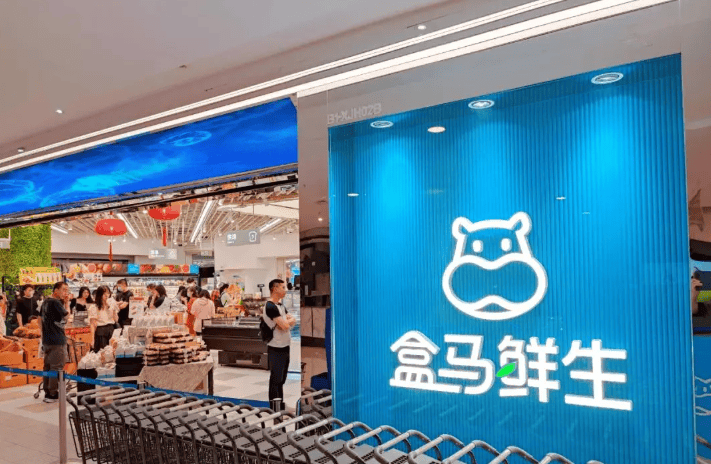
ESG解读|盒马闭店风波致会员权益受损,闭店倒逼供应链改革
Sou Hu Cai Jing· 2025-08-11 08:58
Core Insights - The closure of the last Hema X membership store in Shanghai by August 31, 2025, signifies the complete exit of this business model from the market, following the shutdown of stores in Beijing, Suzhou, and Nanjing [3] - Hema's new fiscal year strategy focuses on opening nearly 100 Hema Fresh stores across over 50 new cities while completely shutting down all X membership stores, driven by nine months of continuous profitability and double-digit growth in 2024 [3][4] - The decision to abandon the membership store model is attributed to the overlap in product offerings with Hema Fresh and the lack of differentiation in its private label "Hema MAX," leading to consumer perceptions of poor value [3][10] Expansion Plans - As of March 2025, Hema Fresh has over 420 stores, with online transactions contributing over 60% to its GMV, and the company aims to expand its footprint in lower-tier cities, particularly in East China [4] - The expansion strategy is supported by a verified profitability model for new store openings, ensuring a balance between growth and profitability [4] Customer Relations and Refund Issues - The closure of membership stores has led to customer dissatisfaction regarding refund policies, where members feel their rights are compromised due to pro-rata deductions based on used benefits [5][8] - Complaints about the refund process highlight inefficiencies, with members facing difficulties in obtaining refunds through the app or customer service [5][8] Supply Chain Challenges - The closure of membership stores has exposed structural flaws in Hema's supply chain management, including a lack of alignment between product offerings and customer needs, with a high overlap in products between Hema MAX and Hema Fresh [10] - Hema's supply chain heavily relies on domestic suppliers, with only 35% of products sourced globally, limiting its ability to compete on price and variety compared to international membership stores like Sam's Club and Costco [10] - The closure is expected to allow Hema to streamline its supply chain to better serve Hema Fresh and Hema NB, potentially improving procurement efficiency and addressing previous inventory management issues [11]
盒马X会员店谢幕:会员制探索未果,未来战略转向何方?
Sou Hu Cai Jing· 2025-08-06 12:28
Core Insights - Hema X membership stores, once seen as a key growth initiative, are set to close all locations by the end of the month after less than five years of operation [1][3] Group 1: Business Performance - Hema X membership stores aimed to emulate Costco and rapidly expanded, opening ten stores across major cities like Shanghai and Beijing by October last year [3] - Despite rapid expansion, Hema X membership stores failed to establish a competitive advantage in supply chain and product selection, leading to a lack of differentiation [3] - The pricing strategy of Hema X membership stores has been criticized, with some products priced higher than those in Hema Fresh, contradicting the value proposition of membership stores [3][5] Group 2: Market Position and Strategy - Hema X membership stores have not built a substantial user base, with their contribution to overall sales remaining below 10% [5] - In contrast, Sam's Club has seen significant success in China, growing its membership from 2 million in 2019 to nearly 9 million by 2024, generating annual membership revenue of 2.3 billion yuan [5] - Following the closure of Hema X membership stores, Hema is shifting focus to expanding Hema Fresh and Hema NB formats, planning to open nearly 100 new Hema Fresh stores by 2025 and aiming for 300 Hema NB stores in three years [6] Group 3: Customer Engagement - To retain customer loyalty, Hema is collaborating with Taobao 88VIP to offer a limited-time promotion for 90 days of free X membership rights [6] - The upgraded "Cloud Enjoyment Club" will continue to offer over 800 MAX products and exclusive member prices, providing consumers with more choices and discounts [6]
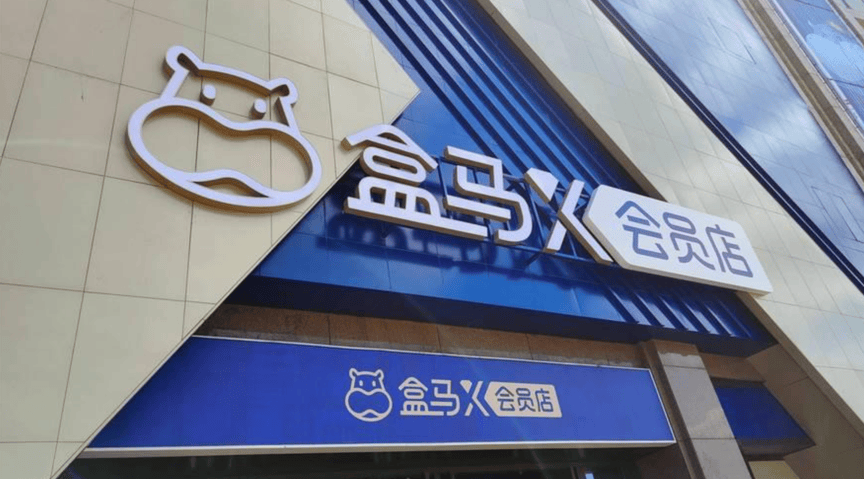
盒马告别会员店业务全面终止,从对标国际巨头回归零售本质战略
Sou Hu Cai Jing· 2025-08-05 03:56
Core Insights - The termination of Hema's membership store business signifies a strategic shift from expansion to a focus on retail fundamentals [1][12] - The company aims to prioritize profitability under the new CEO, Yan Xiaolei, with plans to enhance its core business operations [8] Timeline of Store Closures - Hema began its store closures in March 2024, reducing its locations from 10 to 5 by April [1] - By July 31, 2025, Hema will close its last stores in Beijing, Suzhou, and Nanjing, with the final closure in Shanghai on August 31, 2025, marking the end of the membership store business [2] Membership Rights Management - Paid members can continue shopping online through the "Cloud Enjoyment Meeting" channel, retaining membership pricing and delivery services [3] - Hema collaborates with Taobao 88VIP to offer a "free 90-day membership" initiative to transition users to its core business [3] Reasons Behind Store Closures - External pressures include intense competition from Sam's Club and Costco, as well as local brands like fudi and M Membership Store, leading to a slowdown in industry growth [5] - Internal strategic misalignment is evident, with insufficient product differentiation and supply chain weaknesses [6] Cost and Positioning Imbalance - Hema faced high rental costs, with a prime location in Beijing costing 15 RMB/m²/day, while the average industry rate is 8-10 RMB/m² [7] - The target customer base was misaligned, as the membership fee of 258 RMB/year did not match the high-end product experience, resulting in low member repurchase rates [7] Management's Strategic Shift - The new CEO emphasizes a "profit-first" approach, aiming for a GMV of 75 billion RMB and the first annual profit in FY2025 [8] - Plans include opening 100 new Hema Fresh stores and expanding the Hema Neighborhood Business (NB) to 1,000 stores, focusing on community discounts [8] Industry Reflection and Future Challenges - The membership store model faces challenges in China, with long-term investments clashing with the rapid pace of the internet [9] - Hema's localization efforts have been inadequate, failing to adapt to the needs of small families in China [9] Hema's New Battlefield and Concerns - The competition in instant retail is fierce, with JD's 7Fresh offering lower prices and Meituan's penetration into lower-tier markets [10] - Concerns about product quality in Hema NB could undermine brand trust if low-price strategies compromise quality [10] Insights: Return to Retail Fundamentals - The exit from membership stores reflects a return to retail principles, focusing on effective scale and user value [11] - Hema aims to enhance the shopping experience and address cost-performance issues while navigating competitive pressures [11][12]