福建号航母

Search documents
溧水高塘村举办 “国防教育润童心,强国少年勇担当”主题活动
Xin Lang Cai Jing· 2026-01-15 22:31
Core Viewpoint - The event aims to promote national defense education in rural areas, fostering patriotism among youth through immersive experiences [1][2] Group 1: Event Overview - The "National Defense Education Enriches Children's Hearts, Strong Youths Take Responsibility" event was held in Gaotang Village, focusing on instilling a sense of national pride in nearly 20 children [1] - The event commenced with the national anthem, creating a solemn atmosphere that elevated patriotic feelings among the children [1] Group 2: Educational Activities - Volunteers explained the importance of national defense using simple language and relatable stories, linking rural safety to national security [1] - Children were introduced to significant military assets like the J-20 fighter jet and Fujian aircraft carrier through videos, showcasing the achievements of national defense development [1] Group 3: Engagement and Impact - An interactive quiz on national defense knowledge allowed children to actively participate, with many eager to answer questions related to defense laws, red history, and military equipment [1] - Correct answers were rewarded with community-prepared stationery, fostering a sense of pride among the children [1][2] Group 4: Future Plans - Gaotang Village plans to continue organizing diverse national defense education activities to deepen awareness among youth, transforming patriotism into motivation for learning [2] - The initiative aims to cultivate a new generation capable of shouldering the responsibilities of national rejuvenation and injecting strong national defense spirit into rural revitalization [2]
美国之所以走到如今“疯癫”的地步,很大程度就是因为低估了中国
Sou Hu Cai Jing· 2025-11-04 14:53
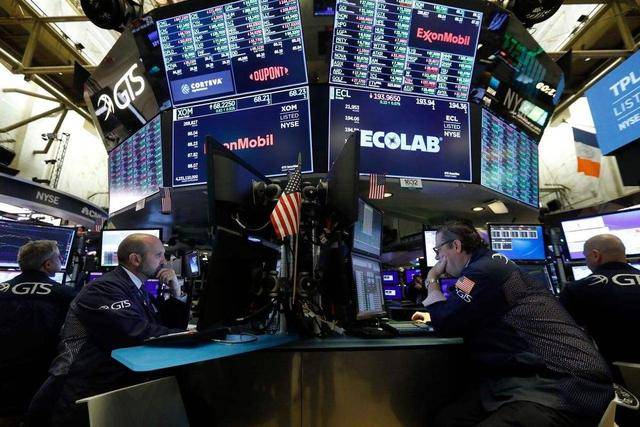
Group 1 - The announcement of the "Liberation Day" tariff plan by Trump in 2025 raised tariffs on China to 54%, Vietnam to 46%, and Cambodia to 49%, causing significant market reactions, with the S&P 500 index dropping 4.8% on April 3, marking its largest single-day decline in years [2] - The U.S. underestimated China's economic resilience, as China's GDP reached $18 trillion by 2024, growing nearly 90 times since 1978, with exports accounting for 14% of global trade and consumption driving 55% of GDP [2][4] - China's industrial value added accounted for 35% of the global total in 2024, while the U.S. only accounted for 18%, highlighting China's comprehensive industrial capabilities [4] Group 2 - The trade war initiated by Trump in 2017 led to retaliatory measures from China, including restrictions on U.S. agricultural products, which have strained U.S. farmers [6][7] - China's "Belt and Road" initiative has stabilized its trade, with trade volume exceeding $2 trillion in 2024, benefiting regions like Africa and Latin America, while U.S. alliances have begun to fracture [9] - The U.S. military and technological underestimations of China are evident, with China's military budget growing annually by 10% and advancements in AI, electric vehicles, and military technology [9][11] Group 3 - The high tariffs intended to protect U.S. industries have inadvertently weakened American competitiveness, with economists noting that tariffs have not effectively prevented U.S. growth [11][13] - The rise of the Chinese economy is becoming a global trend, with the share of the renminbi in global payments increasing to 3.5% and a notable acceleration in de-dollarization [13] - The internal divisions within the U.S. political landscape, including criticisms from both Democrats and Republicans regarding the tariff policies, reflect a broader inability to address long-term challenges posed by China's economic rise [13]

中美局势可能发生大反转,最先超过美国的不是经济,而是这个方面
Sou Hu Cai Jing· 2025-05-28 12:36
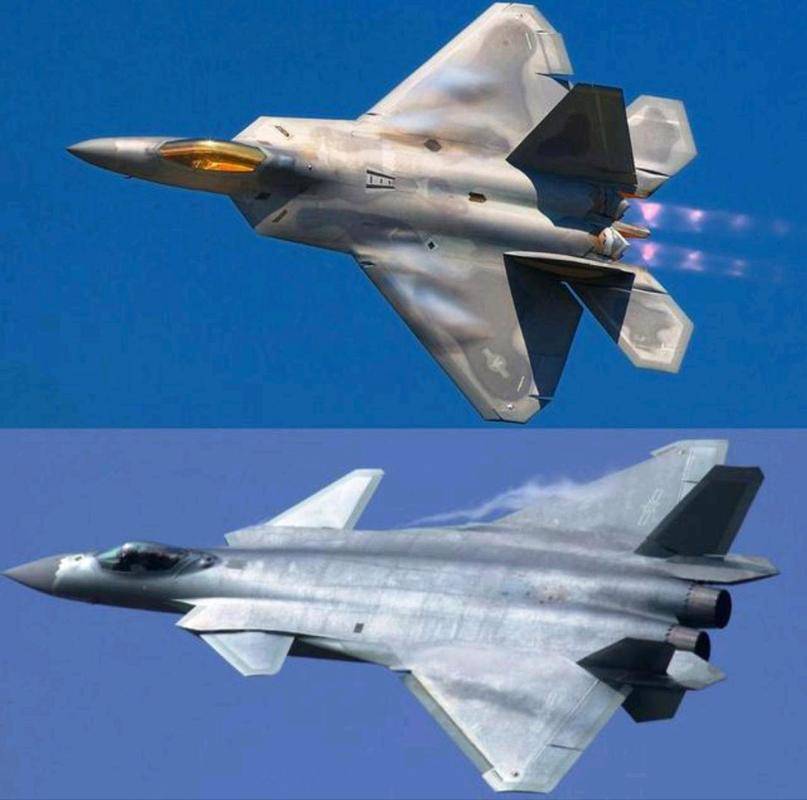
Economic Overview - China's economic share of US GDP has decreased from nearly 80% to over 60%, indicating challenges in surpassing the US in total economic size [1] - The US has maintained an average economic growth rate of over 2% in recent years, with GDP increasing from $20 trillion in 2018 to $27.72 trillion in 2023 [3] - Factors such as the US-China trade war and Federal Reserve interest rate hikes have negatively impacted China's economy, leading to a depreciation of the RMB and widening the nominal GDP gap with the US [5] Military Comparison - The Chinese military has completed reforms and now possesses several advanced heavy and medium combined brigades, while the US Army has fewer combined units due to a focus on counterinsurgency warfare [7] - In naval capabilities, while the US Navy has an advantage in nuclear-powered aircraft carriers, China's naval advancements, such as the Fujian aircraft carrier with electromagnetic catapults, show significant progress [9][10] - China's naval fleet is expanding rapidly, with the potential to surpass the US in numbers, as the US's Nimitz-class carriers approach retirement [12] - In the air force sector, China's J-20 is in large-scale production, while the US's F-22 production has ceased, indicating a potential shift in air superiority [12]