秦池酒

Search documents
读懂春晚广告位:今年谁是赚钱顶流
21世纪经济报道· 2026-02-16 05:15
Core Viewpoint - The article discusses the evolution of sponsorship in the Chinese New Year Gala, highlighting how it reflects the changing landscape of the Chinese economy and advertising strategies over the years [1][2][3]. Group 1: Historical Sponsorship Trends - The first sponsor of the Spring Festival Gala was Jinan Kangbasi Clock Factory in 1984, which traded 3,000 clocks for a 10-second ad, leading to its rise as a major clock manufacturer [1]. - In the 1990s, brands like Kongfu Banquet Wine and Qinchuan Wine spent heavily on advertising, with Kongfu Banquet Wine's investment of 30.79 million yuan resulting in a revenue spike to 918 million yuan the following year [1]. - From 2003 to 2019, Midea Group dominated the zero-point advertising space, with ad costs increasing from millions to tens of millions [1]. Group 2: Shift to Internet Giants - The 2015 Spring Festival Gala marked a turning point with Tencent's 53.03 million yuan investment for exclusive rights, leading to a surge in WeChat payment registrations [2]. - Following this, various internet companies like Alibaba, Baidu, and Douyin engaged in fierce competition for sponsorship, focusing on user engagement and data acquisition rather than just brand exposure [2]. Group 3: Emergence of Hard Technology - In 2026, the Spring Festival Gala featured new players in the form of AI and robotics, with ByteDance's Volcano Engine as the exclusive AI cloud partner and several robotics companies participating [3]. - This shift signifies a transition from a focus on consumer needs and traffic to a new era emphasizing technological advancement and national competitiveness, aligning with the government's "new quality productivity" strategy [3][4].


“小”商会 “大”作为——看潍坊临朐如何依托商会从“单打独斗”实现“抱团共赢”
Sou Hu Cai Jing· 2025-08-23 02:06
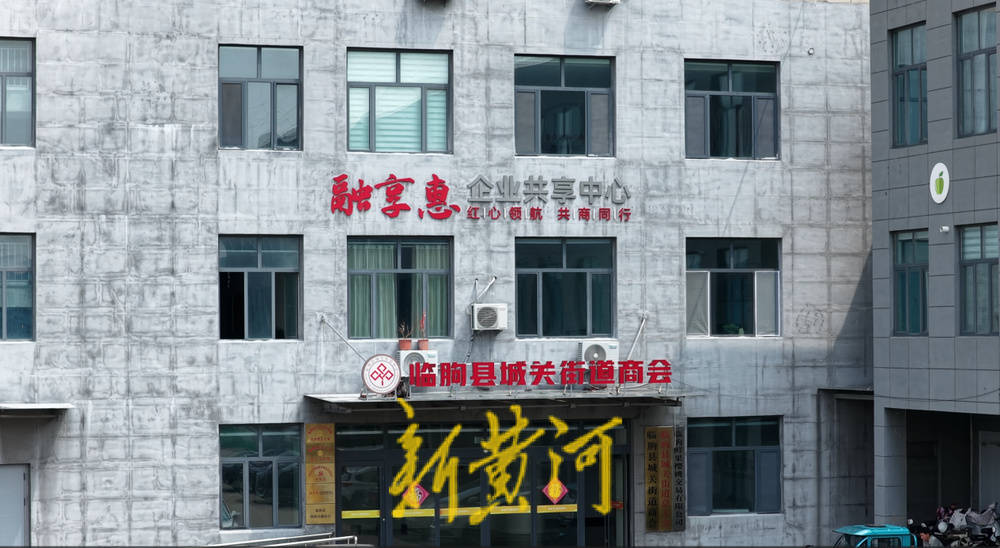
Core Viewpoint - The article highlights the successful transformation of small and micro enterprises in Chengguan Street, Weifang City, through the establishment of a business association that fosters collaboration and resource sharing among local businesses, enabling them to overcome challenges and thrive in the market [1][3][11]. Group 1: Business Association's Role - The Chengguan Street business association has become a vital platform for small enterprises, helping them transition from isolated operations to collaborative efforts, thereby enhancing their market presence and operational efficiency [1][4]. - The association has implemented a "Party Building + Business Association" model, which has led to the establishment of a Small and Micro Enterprises Working Committee to address common challenges faced by these businesses [3][4]. - The association has been recognized as a "Four Good" business association at the national level, reflecting its effective support for local enterprises [3]. Group 2: Success Stories - The case of Buxiang Food Co., Ltd. illustrates the positive impact of joining the business association, as it has successfully expanded its marketing channels and secured large contracts after becoming a member [3][4]. - The establishment of the "Rongxianghui Enterprise Sharing Center" has facilitated closer connections among local businesses, leading to significant orders and collaborations, such as a 400,000 yuan order from a local hospital [6][4]. - The association's initiatives have resulted in a growing number of member enterprises, currently totaling 183, indicating a robust network that supports local economic development [11]. Group 3: Community Engagement and Services - The business association actively promotes community engagement through various activities, such as "I Help Enterprises Find Orders," which fosters connections between local businesses and potential clients [7][9]. - The "Clean Vegetable into Thousands of Homes" initiative exemplifies the association's commitment to enhancing consumer access to quality products while supporting local agriculture [9][10]. - The introduction of a small program for ordering clean vegetables has streamlined the purchasing process for consumers, reflecting the association's focus on convenience and quality [10].