精制谷物

Search documents
“抗炎饮食”为啥突然火了?
Xin Lang Cai Jing· 2025-12-21 01:10
Core Viewpoint - Chronic inflammation is a significant health threat linked to various diseases, and dietary choices, particularly the consumption of whole grains, can help mitigate this issue [1][3]. Group 1: Chronic Inflammation and Its Risks - Chronic inflammation is associated with fatigue, body aches, skin conditions, gastrointestinal issues, and is linked to cardiovascular diseases, diabetes, certain cancers, and accelerated aging [1]. - A study published in the journal "Redox Biology" demonstrated that participants consuming whole grains showed significantly lower levels of inflammatory markers compared to those consuming refined grains [3][4]. Group 2: Benefits of Whole Grains - Whole grains retain essential nutrients such as dietary fiber, resistant starch, and polyphenols, which contribute to their anti-inflammatory properties [4]. - Whole grains can improve health indicators, including blood lipid levels, blood sugar control, and weight management, making them an essential part of modern diets [5][6]. - Whole grains have a lower glycemic index (GI), which helps in controlling blood sugar fluctuations [6]. Group 3: Types and Consumption of Whole Grains - Common whole grain foods include whole wheat buns, brown rice, whole grain bread, and various whole grain snacks [7]. - Consumers should check ingredient labels to ensure products contain whole grains, looking for terms like "whole wheat" or "brown rice" as primary ingredients [7][8]. Group 4: Recommendations for Incorporating Whole Grains - Gradually replacing refined grains with whole grains is recommended, starting with a small proportion and increasing over time [8][9]. - A diverse range of whole grains should be consumed to enhance nutritional intake and prevent dietary monotony [8]. - Cooking methods such as steaming or boiling are preferred to preserve the nutritional value of whole grains [8][9].
这几种碳水,健康又减肥!照着吃就对了→
Yang Shi Xin Wen· 2025-08-14 07:17
Core Viewpoint - Carbohydrates can be categorized into "good" and "bad," and the quality of carbohydrates consumed is more important than the quantity for weight management [1][3]. Group 1: Good Carbohydrates - Good carbohydrates come from minimally processed, nutrient-dense plant-based foods, characterized by low glycemic index (GI), high dietary fiber, and high nutritional density [4]. - They provide sustained energy, help stabilize blood sugar levels, and reduce the risk of diabetes and cardiovascular diseases [4]. Group 2: Bad Carbohydrates - Bad carbohydrates are often found in highly processed foods or those with added sugars, which are low in nutritional value and can lead to rapid spikes and drops in blood sugar levels [6]. - Long-term consumption of bad carbohydrates increases the risk of obesity, diabetes, and cardiovascular diseases [6]. Group 3: Scientific Approach to Carbohydrate Consumption - It is recommended to choose whole grains, tubers, and legumes as good carbohydrates while reducing the intake of refined grains and sugary beverages [11]. - The 2022 Dietary Guidelines for Chinese Residents suggest that carbohydrates should provide 50% to 65% of total energy intake, with specific recommendations for different food types [12]. - Combining good carbohydrates with high-quality proteins and healthy fats can further stabilize blood sugar and enhance satiety [13]. Group 4: Dietary Variety - A diverse diet is encouraged, including three types of grains, tubers, and legumes, along with four varieties of fresh vegetables and fruits to ensure comprehensive nutrition [15].

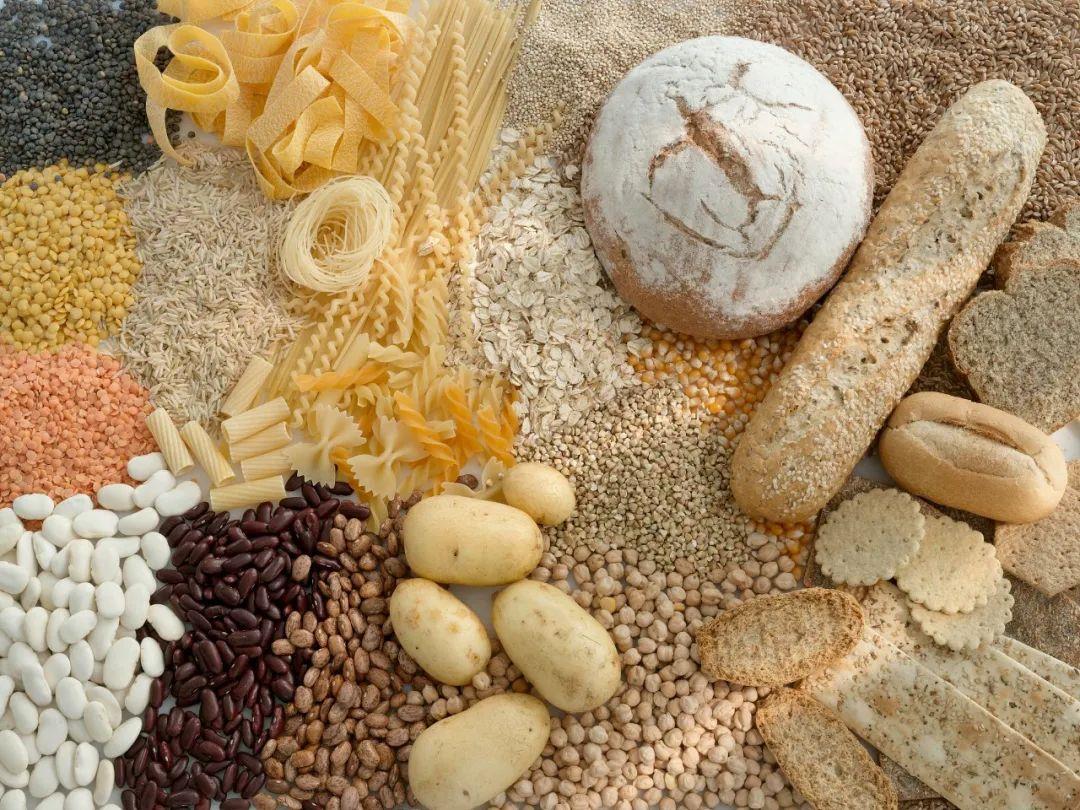
为什么你戒了碳水还胖?90%的人没搞懂“碳水好坏”的真相
Qi Lu Wan Bao· 2025-06-29 08:35
Group 1 - The article discusses the dual nature of carbohydrates, highlighting that they can be both beneficial and detrimental depending on their quality [1][5] - Carbohydrates are essential nutrients categorized into simple sugars, complex carbohydrates, and dietary fibers, playing a crucial role in energy supply for the brain and muscles [3][5] - The distinction between "good" and "bad" carbohydrates is emphasized, with "good" carbohydrates being those that are minimally processed and nutrient-dense, while "bad" carbohydrates are often refined and high in added sugars [5][8] Group 2 - Good carbohydrates include whole grains, starchy vegetables, legumes, and low-GI fruits, which provide sustained energy and lower the risk of chronic diseases [6][10] - Bad carbohydrates are primarily found in refined grains and sugary foods, which can lead to rapid spikes in blood sugar and increased risk of obesity and diabetes [8][11] - Recommendations for carbohydrate consumption include optimizing food choices, controlling total intake, pairing with quality proteins and healthy fats, and ensuring dietary variety for comprehensive nutrition [10][12][13] Group 3 - The article concludes that carbohydrates should not be viewed as harmful but rather as beneficial when chosen wisely, suggesting practical dietary changes such as substituting white bread with whole grain options [15]