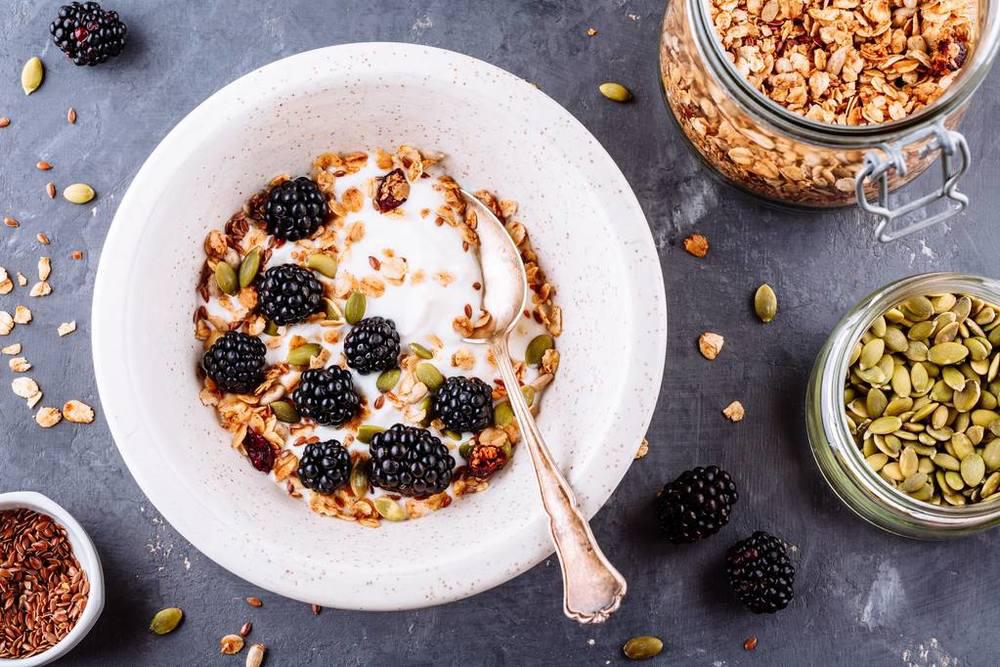
抗炎饮食

Search documents
2025年度10大营养热词发布
Xin Lang Cai Jing· 2026-01-12 19:03
Core Insights - The article discusses the release of the top ten nutrition buzzwords for 2025, reflecting public interest and trends in nutrition and health [2] Group 1: Pre-prepared Meals - "Pre-prepared meals" are defined as factory-processed, pre-packaged dishes, and should be evaluated based on safety and nutritional value rather than labeled as simply "good" or "bad" [3] - Consumer concerns about pre-prepared meals include poor ingredient quality, use of additives, unsatisfactory taste, and low nutritional value, most of which can be addressed through scientific processes and strict management [3] - Consumers are advised to pay attention to ingredient lists and nutritional labels, particularly sodium and fat content, and to complement pre-prepared meals with fresh fruits and quality staples for balanced nutrition [4] Group 2: Anti-inflammatory Diet - Chronic inflammation is linked to various diseases, and public interest has shifted from "beauty and anti-inflammation" to "disease prevention and anti-inflammation" [5] - An anti-inflammatory diet emphasizes the consumption of fresh plant-based foods, healthy fats, and high-antioxidant ingredients while reducing processed foods and certain meats [6] Group 3: Anti-aging - Anti-aging focuses on delaying the aging process and improving quality of life, with a shift towards proactive health management across all age groups [7] - Research indicates that a high-quality diet is associated with reduced risks of functional decline and improved metabolic and cognitive health [7] Group 4: Smart Canteens - Smart canteens utilize information technology to enhance food safety, nutrition management, and operational efficiency, catering to various settings like schools and communities [8] Group 5: Gut Health - Gut microbiota plays a crucial role in health, influencing immune function and chronic inflammation, which can be disrupted by poor diet and lifestyle [9] - A diet rich in dietary fiber and low in processed foods is essential for maintaining a healthy gut microbiome [10] Group 6: Sleep Health - Sleep quality is critical for overall health, with a significant portion of the population experiencing sleep disorders, which can lead to increased inflammation and health risks [11] - Certain foods can aid sleep, while lifestyle changes are necessary for improving sleep quality [11] Group 7: Microplastics - Microplastics are prevalent in the environment and food supply, but their health impacts remain unclear due to a lack of reliable detection methods [12] Group 8: Healthy Aging - Healthy aging emphasizes the importance of nutrition throughout the life cycle to extend healthy life expectancy and reduce disease burden [13] Group 9: Weight Management - Public interest in weight management is increasing, with a focus on maintaining a healthy weight through balanced diets and regular physical activity [14] Group 10: Immunity - The understanding of immunity is evolving, with a focus on maintaining immune homeostasis through balanced nutrition and lifestyle choices [15]

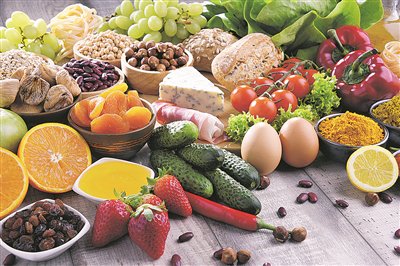
二〇二五年度十大营养热词发布
Ren Min Ri Bao Hai Wai Ban· 2026-01-08 22:55
Group 1: Nutrition Trends and Innovations - Sichuan Province is accelerating the construction of rural elderly canteens to provide lunch services for local seniors [2] - In Guizhou Province, students are enjoying free nutritious meals as part of a local initiative [4] - Fujian Province's abalone processing companies are integrating traditional culinary techniques with modern food processing to create various export products [6] Group 2: Pre-prepared Meals - Pre-prepared meals are defined as factory-processed, pre-packaged finished or semi-finished dishes, which should not be labeled as inherently good or bad [9] - Consumer concerns about pre-prepared meals include poor ingredient quality, use of additives, unsatisfactory taste, and low nutritional value, which can be addressed through scientific processes and strict management [10] - Consumers are advised to pay attention to ingredient lists and nutritional labels, particularly sodium and fat content, when selecting pre-prepared meals [10] Group 3: Health and Dietary Trends - Anti-inflammatory diets focus on selecting foods that lower chronic inflammation levels, emphasizing fresh plant-based foods and healthy fats while reducing processed foods [11] - Anti-aging strategies are shifting towards proactive health management across all life stages, emphasizing balanced nutrition to delay functional decline and reduce chronic disease risks [12] - Smart canteens utilize information technology to enhance food safety, nutrition management, and operational efficiency, aligning with industry digital transformation trends [13] Group 4: Gut Health - Gut microbiota plays a crucial role in health, with imbalances linked to various diseases; dietary choices significantly influence gut health [15][16] - A diet rich in dietary fiber and polyphenols supports beneficial gut bacteria, while avoiding processed foods and excessive sugars is essential for maintaining gut health [16] Group 5: Sleep Health - Poor sleep quality is linked to increased inflammation and various health risks, with a significant portion of the population experiencing sleep disorders [17] - Certain foods can aid sleep, while lifestyle changes such as regular sleep patterns and stress management are crucial for improving sleep quality [17] Group 6: Healthy Aging - Healthy aging strategies focus on extending healthy life expectancy and reducing the time spent with illness, emphasizing nutritional interventions [19][20] - The development of senior meal services and smart nutrition technologies is advancing to improve the quality of life for the elderly [20] Group 7: Weight Management - Public interest in scientific weight management is increasing, with a focus on maintaining a healthy weight through balanced diets and regular physical activity [21] Group 8: Immune Health - Understanding of immunity is evolving towards maintaining immune homeostasis, with nutrition playing a vital role in supporting immune function [22]
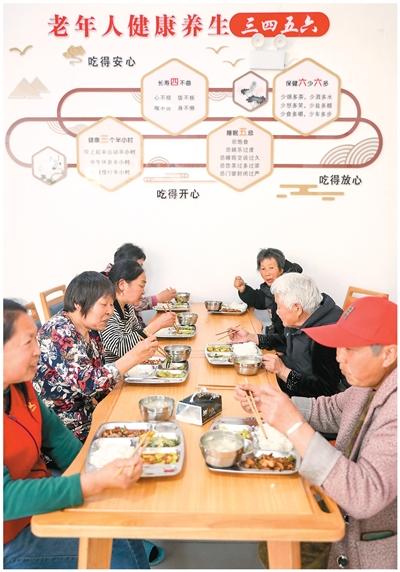
抗炎饮食,抗的是什么炎?
Xin Lang Cai Jing· 2026-01-07 06:53
Core Principles of Anti-Inflammatory Diet - Whole grains should constitute half of the staple food intake, with a daily minimum of 50g, which includes foods like brown rice, buckwheat, oats, quinoa, and corn, known for their dietary fiber that aids in blood sugar stability and healthy gut flora [1] - Recommended protein sources include deep-sea fish rich in Omega-3 fatty acids, such as salmon, along with white meats like chicken and shrimp. Red meats should be lean and consumed no more than three times a week, while processed meats should be avoided due to their inflammatory properties [1] - Vegetables and fruits are rich in vitamins and minerals, with dark green, orange-yellow, and purple foods having stronger anti-inflammatory properties [1] Meal Composition Strategy - Ensure that vegetables make up more than half of each meal, approximately two fist-sized portions, with dark-colored vegetables comprising over half of the total vegetable intake. A daily serving of fruit should be about one fist-sized portion [2] Cooking Methods - Cooking methods are crucial; high-temperature cooking or frying can produce pro-inflammatory compounds. Recommended methods include stewing, stir-frying, steaming, and boiling, while frying and grilling should be minimized [3] Common Misconceptions about Anti-Inflammatory Diet - There is a misconception that certain "superfoods" like blueberries and turmeric can singularly provide anti-inflammatory benefits. The bioavailability of curcumin in turmeric is limited in real dietary contexts, making occasional use insufficient for effective dosage [4] - An anti-inflammatory diet should not replace medications or professional treatments. It is a lifestyle intervention that should complement clinical therapies, especially for individuals with chronic diseases [5] - The cooking method can negate the anti-inflammatory properties of foods; even healthy foods can become pro-inflammatory if fried or grilled [6] - Focusing solely on diet while neglecting other lifestyle factors such as sleep, physical activity, and stress management can diminish the effectiveness of an anti-inflammatory approach. A balanced, fresh, diverse, and minimally processed diet is the most effective anti-inflammatory strategy [7]
热门饮食的科学吃法
Xin Lang Cai Jing· 2026-01-07 06:53
Core Viewpoint - The article discusses the rising trend of anti-inflammatory diets and their scientific basis, emphasizing the importance of understanding inflammation and dietary choices in promoting health and preventing chronic diseases [4][5]. Group 1: Definition and Types of Inflammation - Inflammation is defined as the body's defense response to infection, injury, or other stimuli, categorized into acute and chronic types [5]. - Acute inflammation is characterized by rapid immune response with visible symptoms like redness, swelling, heat, and pain, while chronic inflammation is a low-level, prolonged response that often lacks obvious symptoms [6]. Group 2: Dietary Inflammation Index (DII) - The Dietary Inflammation Index (DII) was developed based on extensive research since 1950, quantifying the inflammatory potential of various dietary components [6]. - DII includes 45 dietary nutrients, allowing for a measurable assessment of food's inflammatory properties, aiming to optimize dietary patterns by increasing anti-inflammatory foods and reducing pro-inflammatory ones [6][7]. Group 3: Research Methodology - The construction and validation of DII relied on the impact of dietary components on inflammatory biomarkers, which can be objectively measured through blood tests [7]. - Longitudinal observational studies and intervention studies were primarily used to assess the long-term effects of dietary patterns on chronic inflammation and related diseases [8].
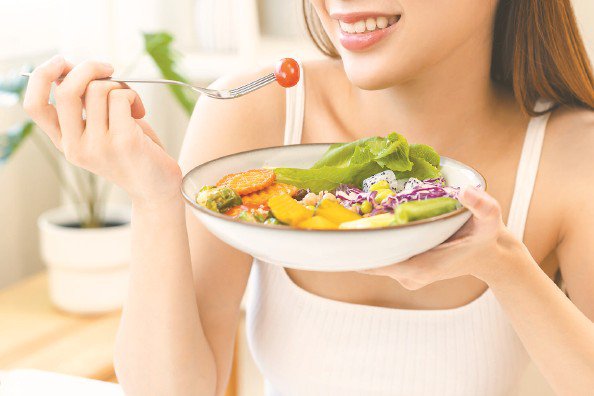
“2025年度十大营养热词”发布,与你的健康生活相关
Xin Lang Cai Jing· 2026-01-02 23:42
Core Insights - The "2025 Annual Top Ten Nutrition Buzzwords" were released, highlighting key areas of focus in nutrition such as "weight management," "anti-aging," "gut health," and "sleep health" [2] Group 1: Nutrition Buzzwords - The top ten nutrition buzzwords for 2025 include "weight management," "anti-aging," "gut health," "sleep health," "microplastics," "pre-prepared meals," "healthy aging," "smart canteens," "anti-inflammatory diet," and "immunity" [2] - These keywords reflect growing public interest in health and nutrition, particularly among younger demographics [2] Group 2: Pre-prepared Meals - Concerns regarding pre-prepared meals primarily revolve around "poor ingredient quality," "use of additives," "unsatisfactory taste," and "low nutritional value" [3] - The nutritional value of pre-prepared meals is influenced by ingredient quality, cooking methods, cold chain storage, and seasoning techniques [3] - Future trends may include the development of "low-salt," "light-oil," and "nutrient-enhanced" pre-prepared meal products, driven by consumer demand for improved quality and regulation [3] Group 3: Immunity - The understanding of immunity is shifting from merely enhancing it to achieving a state of "immune homeostasis" [3][4] - A balanced diet is crucial for maintaining immune homeostasis, with quality proteins, vitamins A and D, zinc, and selenium playing significant roles [4][5] - Lifestyle factors such as sleep, exercise, and stress management are also essential for stabilizing immunity [5] Group 4: Weight Management - Scientific weight management emphasizes maintaining a healthy weight and body composition over time, focusing on monitoring weight, balanced diet, regular exercise, and psychological well-being [6] - Key recommendations include monitoring BMI, waist circumference, and body fat percentage, along with a balanced intake of fruits and whole grains [6] Group 5: Gut Health - Gut health is increasingly linked to the "gut-brain axis," with dietary choices significantly impacting gut microbiota balance [7] - A diet rich in dietary fiber, polyphenols, and low in processed foods is recommended to support gut health [7][8] - Practical adjustments in lifestyle, such as cooking at home and managing stress, can help maintain gut health [8] Group 6: Sleep Health - The prevalence of insomnia among adults in China is high, particularly among younger populations [9] - Nutritional interventions for better sleep include foods rich in tryptophan, magnesium, and B vitamins, while avoiding caffeine and high-sugar foods [9] - Good sleep hygiene practices, including regular sleep schedules and stress management, are essential for sleep health [9] Group 7: Anti-inflammatory Diet - An anti-inflammatory diet targets chronic inflammation rather than acute inflammation, aiming to reduce health risks associated with chronic diseases [10][11] - Key features of an anti-inflammatory diet include a high intake of fresh plant-based foods, healthy fats, and antioxidants, while minimizing processed foods and sugars [11] - Incorporating spices and herbs can further enhance the anti-inflammatory effects of the diet [11]

“抗炎饮食”为啥突然火了?
Xin Lang Cai Jing· 2025-12-21 01:10
Core Viewpoint - Chronic inflammation is a significant health threat linked to various diseases, and dietary choices, particularly the consumption of whole grains, can help mitigate this issue [1][3]. Group 1: Chronic Inflammation and Its Risks - Chronic inflammation is associated with fatigue, body aches, skin conditions, gastrointestinal issues, and is linked to cardiovascular diseases, diabetes, certain cancers, and accelerated aging [1]. - A study published in the journal "Redox Biology" demonstrated that participants consuming whole grains showed significantly lower levels of inflammatory markers compared to those consuming refined grains [3][4]. Group 2: Benefits of Whole Grains - Whole grains retain essential nutrients such as dietary fiber, resistant starch, and polyphenols, which contribute to their anti-inflammatory properties [4]. - Whole grains can improve health indicators, including blood lipid levels, blood sugar control, and weight management, making them an essential part of modern diets [5][6]. - Whole grains have a lower glycemic index (GI), which helps in controlling blood sugar fluctuations [6]. Group 3: Types and Consumption of Whole Grains - Common whole grain foods include whole wheat buns, brown rice, whole grain bread, and various whole grain snacks [7]. - Consumers should check ingredient labels to ensure products contain whole grains, looking for terms like "whole wheat" or "brown rice" as primary ingredients [7][8]. Group 4: Recommendations for Incorporating Whole Grains - Gradually replacing refined grains with whole grains is recommended, starting with a small proportion and increasing over time [8][9]. - A diverse range of whole grains should be consumed to enhance nutritional intake and prevent dietary monotony [8]. - Cooking methods such as steaming or boiling are preferred to preserve the nutritional value of whole grains [8][9].
为了健康,年轻人就差啃绿化带了
虎嗅APP· 2025-11-10 10:11
Core Viewpoint - The article discusses the rising trend of health culture and the associated pressures that come with it, highlighting the phenomenon of "health fatigue" among consumers who feel overwhelmed by societal expectations regarding health and wellness [5][6][70]. Group 1: Health Culture Trends - The pursuit of health has become a popular lifestyle trend, with individuals showcasing their health metrics similarly to how they would display financial success [5][6]. - A significant portion of consumers, 45%, are experiencing "health fatigue," while 61% feel societal pressure to adhere to specific health standards [5][6]. - The concept of "Healthism" is emerging as a new source of stress, where health metrics are increasingly quantified and compared [6][70]. Group 2: Popular Health Products - The "Harvard Vegetable Soup" has gained popularity among urban professionals seeking quick, healthy meal options, with a typical serving priced between 9.39 and 9.5 yuan [12][14]. - The soup is marketed for its numerous health benefits, including anti-inflammatory properties and immune system support, making it appealing to health-conscious consumers [17][19]. - The rise of "superfoods" has been notable, with products like turmeric powder becoming mainstream due to their perceived health benefits [29][30]. Group 3: Changing Consumer Behavior - Consumers are increasingly modifying traditional health products to enhance taste, as seen with the Harvard Vegetable Soup being transformed into more palatable dishes [15]. - The trend of "anti-inflammatory diets" is gaining traction, with natural foods being promoted as a means to combat chronic inflammation and related health issues [21][23]. - The popularity of health tracking devices has led to a culture of constant monitoring, which can contribute to increased stress and anxiety about health [71][74]. Group 4: Societal Implications - The article suggests that the obsession with health metrics can lead to a negative cycle of stress and dissatisfaction, as individuals feel pressured to meet unrealistic health standards [70][74]. - There is a growing recognition that true health encompasses mental well-being, and the relentless pursuit of physical health can detract from overall quality of life [76][78]. - The shift towards a more balanced approach to health, where individuals prioritize personal well-being over societal expectations, is becoming increasingly important [78].

中产麻辣烫
投资界· 2025-07-27 07:44
Core Viewpoint - The article discusses the rising popularity of "Harvard Vegetable Soup" among the middle class, highlighting its health benefits and the cultural shift towards simpler, healthier eating habits [3][5][10]. Group 1: Popularity and Cultural Shift - The "Harvard Vegetable Soup," made from pumpkin, onion, carrot, and cabbage, has become a trendy health food among the middle class, replacing previous fancier options [3][5]. - Social media has played a significant role in promoting the soup, with many users sharing photos and experiences, leading to high demand and frequent stock shortages in stores [6][10]. - The soup is perceived as a remedy for various health issues, with claims of benefits such as improved digestion, eye health, and immune support [10][12]. Group 2: Criticism and Adaptation - Despite its popularity, some individuals criticize the soup for its unappealing taste and texture, comparing it to unappetizing food [12][15]. - The article notes that some consumers have begun to modify the soup, treating it as a base for more flavorful dishes, akin to a healthier version of hot pot or stir-fry [17][20]. - Younger generations are experimenting with the soup, finding ways to make it more palatable while still focusing on health benefits [22][24]. Group 3: Health Consciousness - The trend reflects a broader shift in dietary preferences, with a focus on anti-inflammatory foods and a move away from processed items [13][18]. - The article suggests that consuming the soup, despite its taste, is seen as a form of self-care and a commitment to healthier living [25].

更年期,如何科学自救?
Hu Xiu· 2025-06-24 09:58
Core Insights - The article discusses the widespread yet often misunderstood experience of menopause, affecting approximately 1.2 billion women globally by 2030 [2] - It highlights the systemic neglect by the medical community regarding menopause, leading to many women suffering without proper diagnosis or treatment [5][15] Group 1: Understanding Menopause - Menopause is not just about "cessation of menstruation" or "hot flashes"; it involves a significant decline in estrogen leading to systemic changes affecting nearly every organ [4][11] - The menopause journey consists of three stages: perimenopause, menopause, and postmenopause, each with distinct symptoms and challenges [10][11] Group 2: Health Risks and Symptoms - The decline in estrogen can lead to over 50 potential symptoms, including anxiety, depression, weight gain, and increased risks of heart disease and osteoporosis [14][15] - Women experiencing early menopause or those who undergo surgical menopause face heightened health risks [14] Group 3: Medical Community's Response - The medical community's lack of comprehensive training on menopause contributes to inadequate care and understanding of women's symptoms [16][17] - Systemic issues, including gender bias and fragmented training, result in many women's experiences being dismissed as "normal aging" [16][17] Group 4: Empowering Women - Women are encouraged to take charge of their health by becoming their own "Chief Executive Officers" regarding menopause management [18] - Keeping a detailed symptom diary and using assessment tools can help women communicate effectively with healthcare providers [20][21] Group 5: Treatment Options - Hormone Replacement Therapy (HRT) is highlighted as an effective treatment for alleviating various menopause symptoms and preventing osteoporosis [23] - The choice of HRT should be individualized and conducted under professional guidance, with regular monitoring [24] Group 6: Lifestyle Modifications - Lifestyle changes, including an anti-inflammatory diet, regular exercise, and sleep optimization, are essential for managing menopause health [25][30] - Specific dietary goals include daily fiber intake of over 25 grams and protein intake based on ideal body weight [27] Group 7: Community and Advocacy - Women are encouraged to seek community support and advocate for their health, emphasizing the importance of finding understanding healthcare providers [35][36] - The article concludes that menopause is not an endpoint but a new beginning, offering opportunities for self-reflection and empowerment [37][38]
“抗炎饮食”搜索量激增!中科中创亚麻籽推动代餐食品营养迭代
Zhong Guo Chan Ye Jing Ji Xin Xi Wang· 2025-04-30 07:09
Group 1 - The trend of "anti-inflammatory diet" is gaining popularity, with a significant increase in searches across platforms, making it one of the top ten nutrition buzzwords for 2024 [1] - Chronic inflammation is closely linked to diabetes and cardiovascular diseases, leading to a growing consumer demand for dietary adjustments to suppress inflammatory factors [1] - The demand for convenient yet effective meal replacement products is shifting from merely filling hunger to providing precise nutrition [1] Group 2 - Zhongke Zhongchuang, a pioneer in the application of whole flaxseed in China, has over ten years of experience in functional food research and holds 11 national invention patents related to flaxseed detoxification and safety [3] - The company offers a range of functional food products, including ready-to-eat and instant series, with over 40% flaxseed content, designed specifically for overweight and sub-healthy populations [3] - Zhongke Zhongchuang has produced over 200 million bags of flaxseed nutritional products, serving nearly 60 million consumers globally, and aims to transform technological advantages into everyday health choices for the public [3]