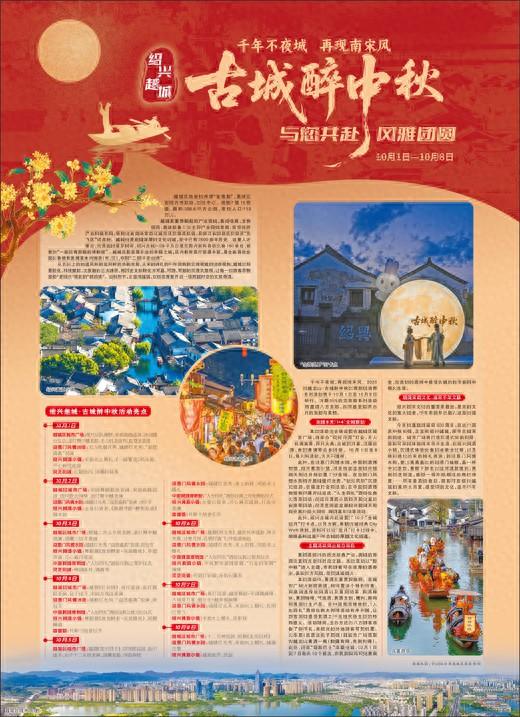
糟肉

Search documents
【新春走基层】夫妻小店生意火
Xin Lang Cai Jing· 2026-02-24 00:50
Core Viewpoint - The article highlights the booming business of a couple's restaurant in Lanzhou, particularly focusing on their successful preparation and sale of traditional New Year dishes, which have attracted a significant number of orders, including from distant locations like Hainan and Guangxi [1]. Group 1: Business Performance - The restaurant has seen a surge in orders this year, with nearly 50 orders still pending delivery as of early January [1]. - The couple has been operating their restaurant for 11 years and has been preparing New Year dishes for four years, emphasizing the importance of food quality [1]. Group 2: Product Offerings - The restaurant's New Year menu includes traditional dishes such as marinated pork, spicy meat, and meatballs, which have been well-received by customers [1]. - New dishes are being introduced, including tofu balls and a Yunnan-Guizhou style sour soup rice noodle, which have attracted returning customers [1]. Group 3: Customer Engagement - The couple actively engages with their customers, ensuring that each order is accurately prepared and delivered [1]. - They plan to introduce more new dishes based on customer preferences and aim to balance their business with family time [2].
谁的春节除了吃,还是吃?
Xin Lang Cai Jing· 2026-02-22 14:48
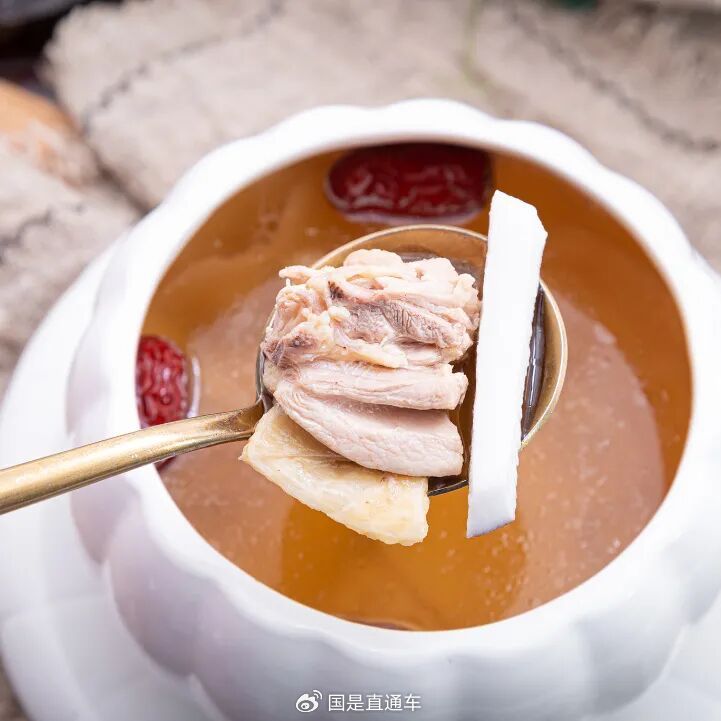
Group 1 - The significance of the Spring Festival is a blend of family reunion and the warmth of human connections, represented through familiar dishes and festive gatherings [1] - Traditional dishes such as duck soup and large rice balls are essential for the reunion dinner, highlighting the importance of family traditions [1][6] - The preparation of various foods, including radish oil tofu and red sugar rice cakes, reflects the busy and joyful atmosphere leading up to the festival [4][6] Group 2 - The custom of steaming buns and breads before the festival showcases local traditions and the communal spirit of sharing food with relatives [8][9] - The concept of "big pot dishes" during the New Year emphasizes abundance and the practice of enjoying meals over an extended period [12] - The act of making fried rice and other snacks signifies the anticipation of the New Year and the importance of homemade food in celebrating the occasion [13][16]

人间至味是团圆,一碗烟火过大年
Yang Shi Xin Wen· 2026-02-21 15:12
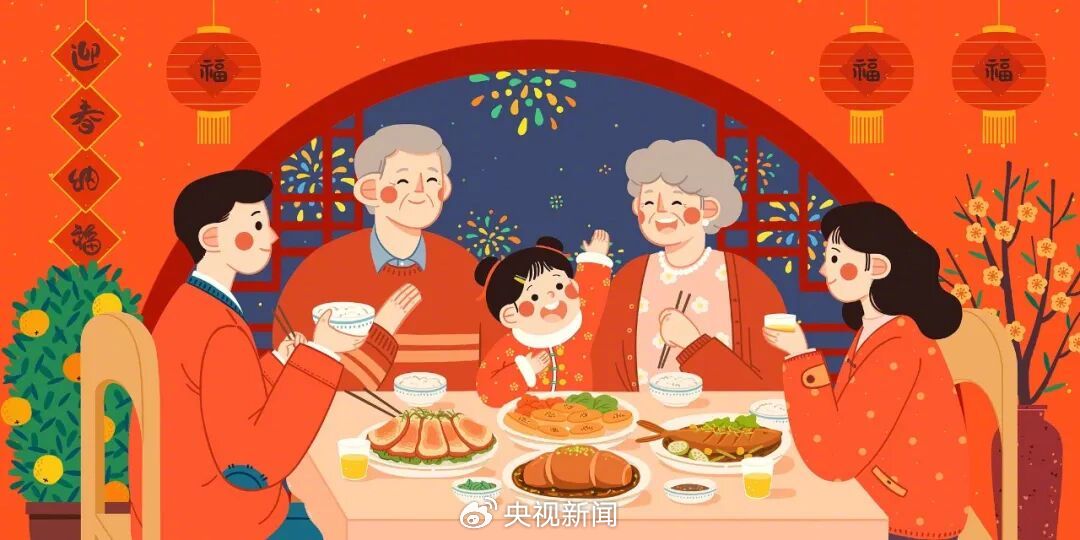
Group 1 - The significance of the Spring Festival is a blend of family reunion and the warmth of human connections, represented through familiar dishes and festive gatherings [1] - The essence of the festival is captured in the flavors of traditional foods, which evoke nostalgia and joy among family and friends [1][11] Group 2 - Traditional dishes such as duck soup and "big round dumplings" are essential for the reunion dinner, highlighting the importance of family gatherings during the festival [3] - Vegetarian dishes like shredded radish with tofu are also significant, reflecting personal family preferences and the nostalgia associated with childhood flavors [5] - The preparation of various meats and sweets, such as marinated pork and red sugar rice cakes, showcases the busy atmosphere leading up to the festival [6] - The custom of steaming buns and breads before the festival emphasizes the communal aspect of food preparation and sharing among families [6] - The concept of "big pot dishes" during the New Year celebrations illustrates the abundance and variety of food that characterizes the festive season [8]
甘肃小城的娃娃们,回家“办年”|故乡里的中国
经济观察报· 2026-02-14 01:06
Core Viewpoint - The article reflects on the changing traditions and practices surrounding the Chinese New Year in Dingxi, Gansu, highlighting the emotional significance of family reunions and the evolving nature of holiday preparations over time [2][12]. Group 1: Family and Cultural Significance - In Dingxi, young people are always referred to as "娃娃" (children) by their parents, regardless of their age or occupation, indicating a deep emotional connection and concern from parents [3]. - The phrase "你家的娃娃回来了吗?" (Is your child back home?) becomes a common greeting among parents and acquaintances during the New Year season, emphasizing the importance of family reunions [3]. - The preparation for the New Year, referred to as "办年," involves not only purchasing goods but also making traditional foods, which reflects the cultural heritage of the region [3][5]. Group 2: Traditional Food Preparations - The article details various traditional food preparations in Dingxi, such as "血馍馍," which is made from pig's blood mixed with flour and cooked into thin pancakes, showcasing unique local culinary practices [5][7]. - Other traditional foods include "搅团," a type of mixed grain dish, and various pre-made dishes like "油香," "杂烩," and "丸子," which are essential for the New Year celebrations [7][8]. - The "暖锅" (hot pot) is a central dish during family gatherings, with specific layering and preparation methods that vary by household, highlighting the communal aspect of dining during the New Year [10][11]. Group 3: Changes in Celebration Practices - The article notes a shift in the way families celebrate the New Year, with fewer people participating in traditional practices like buying half a pig or cow, indicating a change in societal values and lifestyles [12]. - The local taxi driver observes a decline in the number of people celebrating, suggesting that modern conveniences have altered traditional shopping habits and reduced the communal aspect of holiday preparations [12]. - The emotional impact of children not returning home for the New Year is felt deeply, with parents expressing their concerns and longing for family reunions, which contrasts with the past when such gatherings were more common [13].
甘肃小城的娃娃们,回家“办年”
Jing Ji Guan Cha Bao· 2026-02-14 00:48
Core Viewpoint - The article highlights the cultural significance of the New Year celebrations in Dingxi, Gansu, emphasizing the return of young people, referred to as "娃娃" (children), to their hometowns for the festivities, and the evolving nature of these traditions over time [1][9]. Group 1: Cultural Significance - The term "办年" (ban nian) in Dingxi encompasses both the anticipation of the New Year and the preparation of festive goods, indicating a deep-rooted cultural practice [3][4]. - The return of young people from cities like Beijing and Shanghai is a significant event for families, as parents eagerly await their arrival [2][3]. Group 2: Traditional Preparations - Traditional practices include selecting and slaughtering pigs, which is a communal activity that marks the beginning of the New Year preparations [4]. - Unique local dishes such as "血馍馍" (blood pancakes) and "搅团" (a type of dumpling) are integral to the festive food culture, showcasing local culinary traditions [5][6]. Group 3: Changes in Celebration Practices - The article notes a shift in the scale and enthusiasm of New Year preparations, with families no longer engaging in large-scale purchases of livestock, reflecting changing lifestyles and economic conditions [8][9]. - The convenience of modern shopping has altered the traditional practice of stockpiling goods, leading to a more subdued approach to New Year celebrations [9]. Group 4: Transportation Challenges - Young people face logistical challenges in returning home due to limited transportation options, as Dingxi lacks an airport, making travel more complicated [10]. - The reliance on high-speed rail is noted, but the limited number of trains and ticket availability can complicate travel plans for those wishing to return home for the New Year [10].
绍兴越城 古城醉中秋与您共赴风雅团圆
Huan Qiu Wang· 2025-09-24 02:43
Core Viewpoint - The article highlights the upcoming "Ancient City Drunken Mid-Autumn Festival" event in Yuecheng, Shaoxing, which aims to promote local culture, tourism, and consumption through a series of activities from October 1 to October 8, 2025 [4][5][6]. Group 1: Event Overview - The main venue for the event will be the Yuecheng Urban Square, featuring various activities such as lantern festivals, drone shows, and traditional performances [5][6]. - The event will include multiple sub-venues, each offering unique activities, such as light shows and cultural exhibitions [5][6]. - The festival is designed to attract visitors and enhance the cultural experience of the ancient city, emphasizing its historical significance and local traditions [4][7]. Group 2: Cultural Significance - Shaoxing is recognized as a key location for Song culture, with the festival coinciding with the 900th anniversary of poet Lu You's birth, enhancing its cultural relevance [7]. - The event will showcase traditional Shaoxing yellow wine, integrating it into various activities and highlighting its importance in local customs [6][7]. - Visitors will have opportunities to engage in immersive experiences that reflect the rich cultural heritage of the region, including traditional wedding ceremonies and local folklore [7][8]. Group 3: Activities and Attractions - Daily activities will include performances, parades, and interactive events, ensuring a diverse experience for attendees [8][9]. - Special attractions will feature themed performances, such as traditional operas and modern music, catering to a wide audience [8][9]. - The festival will also incorporate modern elements, such as drone light shows and interactive installations, blending tradition with contemporary culture [5][6].