
红旗CA72

Search documents
嘉定综合保税区首次亮相进博会
Yang Shi Wang· 2025-11-06 13:13
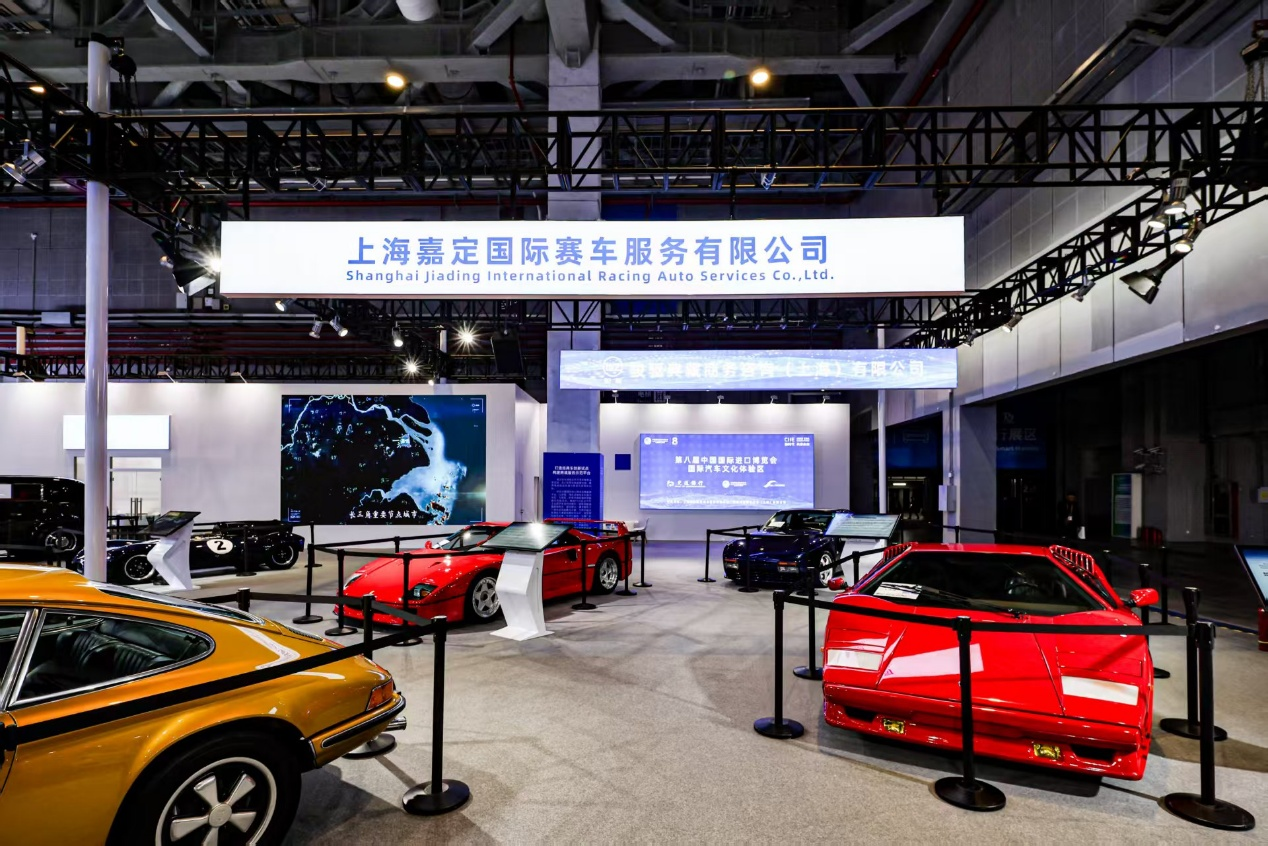
Core Insights - The eighth China International Import Expo (CIIE) opened on November 5, showcasing the integration of industry and culture through the display of classic cars [1] - The exhibition area, covering 600 square meters, features iconic vehicles such as the Ferrari F40 and Porsche 911S, highlighting the evolution of automotive manufacturing and culture [3] - The Jiading Comprehensive Bonded Zone aims to develop a full industry chain ecosystem for classic cars, promoting a model that integrates bonded display, cross-border trade, and cultural promotion [4] - Participation in the expo marks a significant step for Jiading in elevating the classic car industry to an international platform, enhancing its role in industrial cooperation and cultural exchange [6] Industry Developments - The exhibition includes 11 classic models, showcasing the aesthetic evolution and technological breakthroughs in the automotive industry, providing an immersive experience for visitors [3] - Jiading Comprehensive Bonded Zone has been actively involved in establishing national standards for classic cars and hosting cultural events to promote the industry [4] - Future plans include leveraging policy and platform advantages to deepen international cooperation and innovation in the classic car sector, aiming to create a cultural and industrial hub in the Yangtze River Delta [6]

聚焦进博|最“贵”展区诞生!11款跨越半个世纪的老爷车同台
Guo Ji Jin Rong Bao· 2025-11-05 15:24
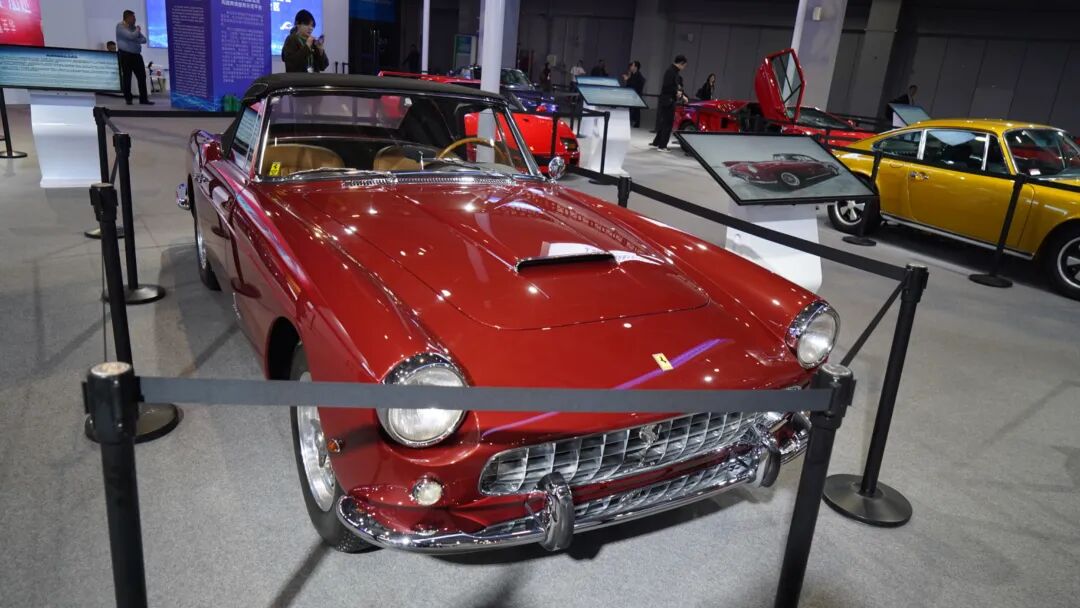
Core Viewpoint - The 8th China International Import Expo showcases a "Time Corridor of the Automotive Industry," featuring classic cars that highlight the evolution of automotive technology and brand identity over the decades [1][19]. Group 1: Classic Cars and Their Significance - The exhibition includes 11 classic cars from the 1920s to the 1980s, representing significant milestones in automotive history [1]. - The Ferrari 250 GT Cabriolet, launched in the late 1950s, set new standards for luxury GT cars with its 3.0L V12 engine producing 240 horsepower, establishing Ferrari's positioning of "high performance + luxury" [1]. - The Ferrari 348, introduced in 1989, marked a strategic shift for the brand by incorporating F1 technology into production cars and was the first Ferrari to enter the Chinese market, laying the groundwork for brand recognition in China [2]. Group 2: Evolution of Luxury Brands - The Rolls-Royce Phantom I Boat Tail, from the late 1920s, exemplifies bespoke craftsmanship, with each vehicle being unique, reflecting the brand's commitment to customization [5]. - The Phantom II from the 1930s showcased a balance of power and comfort with its 7.7L inline-six engine and innovative features, influencing Rolls-Royce's product development for the next century [6]. - The Jaguar E-Type, launched in 1961, broke the notion that sports cars were only for the elite by offering high performance at a more accessible price point [6]. Group 3: Performance and Innovation - The Porsche 911S, introduced in 1966, established itself as a benchmark for handling with its 160 horsepower flat-six engine and optimized suspension, influencing future models [10]. - The 944 Turbo, launched in 1985, achieved near-perfect weight distribution with its innovative layout, proving that non-911 models could also embody Porsche's performance ethos [11]. - The Lamborghini Countach, celebrating its 25th anniversary in the 1980s, became an icon of speed and individuality, reinforcing Lamborghini's image as a maker of extreme supercars [13]. Group 4: Cultural and Historical Impact - The Cooper T40, a mid-engine formula car from the 1950s, set technical standards for modern racing with its lightweight design and 2.0L engine [15]. - The Hongqi CA72, recognized as the first high-end ceremonial vehicle in China, represents a milestone in Chinese automotive history, transitioning to the upgraded CA770 model in 1965 [17]. - The exhibition serves as a platform for cultural revival, demonstrating the integration of "bonded display + cross-border trade + cultural promotion" in the automotive sector [19].

红旗回应一财:本次检阅车为CA7601J
第一财经· 2025-09-03 03:14
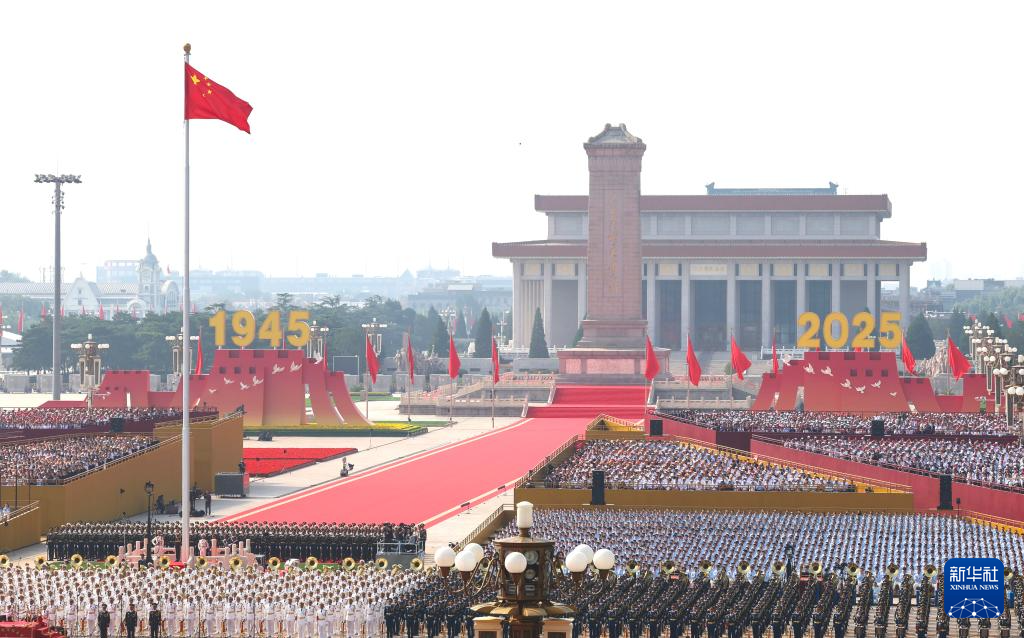
Core Viewpoint - The article highlights the historical significance and evolution of the Hongqi brand, particularly its role in national celebrations and parades, showcasing the development of its vehicles over the years [1]. Group 1: Historical Development - The Hongqi brand's history began in 1958, with the first model, CA72, being the first officially numbered luxury car in China [1]. - The first appearance of Hongqi vehicles in a national celebration was on October 1, 1959, with two Hongqi inspection cars and six CA72 models [1]. - Over the years, four generations of Hongqi cars have participated in national parades, with the latest model, CA7601J, being used in the recent military parade [1]. Group 2: Model Evolution - The CA7601J model was also used as an inspection vehicle during the 2019 parade, indicating its continued relevance and significance [1]. - The CA7600J model was introduced during the 2009 celebration for the 60th anniversary of the founding of the People's Republic of China, marking a significant upgrade in the brand's offerings [1].

红旗:本次检阅车为CA7601J
Di Yi Cai Jing· 2025-09-03 02:59
Core Points - The review vehicle for the recent military parade is the Hongqi CA7601J, which was also used in the 2019 parade [1] - The Hongqi brand of cars has a history dating back to 1958, with the first model, CA72, being officially numbered [1] - The first appearance of Hongqi vehicles in a national celebration was on October 1, 1959, with two review cars and six CA72 models [1] - Over the years, four generations of Hongqi cars have participated in national parades, with the CA7600J debuting during the 60th anniversary of the founding of New China in 2009 [1]
红旗回一财:本次检阅车为CA7601J
Di Yi Cai Jing· 2025-09-03 02:50
Group 1 - The review vehicle for the recent military parade is the Hongqi CA7601J, which was also used in the 2019 parade [1] - The CA7600J was used as the review vehicle in the 2009 and 2015 parades [1] - The history of Hongqi cars dates back to 1958, with the first model, CA72, being officially numbered and recognized as China's first high-end sedan [3] Group 2 - The first generation of Hongqi cars participated in the National Day parade in 1959, marking the beginning of its legacy [3] - Over the years, four generations of Hongqi sedans have served as review vehicles in the National Day parades [3] - The latest generation, CA7600J, made its debut during the 60th anniversary of the founding of New China in 2009 [3]
从“国车”到“国民车”,红旗200万用户的信赖密码
Zhong Guo Qi Che Bao Wang· 2025-07-18 07:46
Core Insights - The establishment of a user base of 2 million marks a significant milestone for Hongqi, positioning it as a disruptor in the Chinese luxury automotive market [3][5][14] - Hongqi's brand value reached 1410.65 billion yuan in the first half of 2025, with sales surpassing 225,000 units, leading the industry in brand value [3][5] - The user demographic is increasingly younger, with an average age drop of 8.3 years over the past five years, and 42% of users are now under 35 years old [7][14] Sales and Market Position - In the first half of 2025, Hongqi's cumulative sales reached 225,000 units, reinforcing its position as the leader in the Chinese passenger car brand value rankings [5][3] - The brand has successfully broken the long-standing dominance of international brands in the luxury car market [5] Technological Advancements - Hongqi has developed a comprehensive R&D system covering new energy power systems and intelligent networking technology, with over 90% localization in core R&D facilities [5][9] - The brand leads in patent applications among domestic luxury brands in the new energy sector, showcasing its commitment to innovation [7] Quality Assurance - Hongqi emphasizes quality through rigorous testing in its advanced laboratories, ensuring vehicles meet high durability and reliability standards [9][11][13] - The testing facilities simulate extreme conditions to validate vehicle performance, ensuring reliability across various environments [11][13] Brand Strategy and Youth Engagement - The launch of the Hongqi Tiangong family represents the brand's strategy to resonate with younger consumers, featuring modern designs and diverse energy options [16][18] - The brand's marketing approach includes engaging events and promotions aimed at younger audiences, such as significant discounts and financial incentives [18] Future Outlook - With 2 million users as a new starting point, Hongqi aims to accelerate its growth in the new energy and intelligent vehicle sectors while maintaining its commitment to quality [18]

国车红旗 民族瑰宝|2025香港车博会红旗品牌爱国主义教育展开展
Zhong Guo Qi Che Bao Wang· 2025-06-12 09:15
Core Viewpoint - The Hongqi brand is showcased as a symbol of Chinese automotive industry development, emphasizing its historical significance and technological advancements during the Hong Kong Auto Show 2025 [1][7]. Group 1: Exhibition Overview - The exhibition is themed "National Car Hongqi, National Treasure," highlighting the brand's journey from inception to its resurgence in the modern era [1]. - It features six chapters: "Pioneering Hongqi," "Promoting Civilization with Hongqi," "Uplifting Spirit with Hongqi," "Leading Technology with Hongqi," "Sharing Beauty with Hongqi," and "Gaining Praise with Hongqi," displaying 10 vehicles including the Hongqi CA72, CA770, and the flying car "Tianran No. 1" [4]. Group 2: Historical Significance - Since its inception, Hongqi has been a hallmark of the Chinese automotive industry, playing a crucial role in significant historical moments and boosting national pride [7]. Group 3: Technological Advancements - The exhibition highlights breakthroughs by FAW Group in key technologies, including over 1,000 core technology advancements, the development of the "Hongqi 1" chip, and the introduction of intelligent platforms [9]. - FAW has achieved international leading levels in various metrics, including the trial verification of a 66Ah all-solid-state battery cell [9]. Group 4: Future Aspirations - The Hongqi brand's development over the past sixty years reflects the evolution of the Chinese automotive industry, and FAW aims to become a world-class mobility technology company while adhering to its central enterprise mission [11].
