
组合套餐

Search documents
负债率6600%的肯德基也有人要?凯雷9.5亿接盘韩国肯德基!
Sou Hu Cai Jing· 2026-01-04 21:41
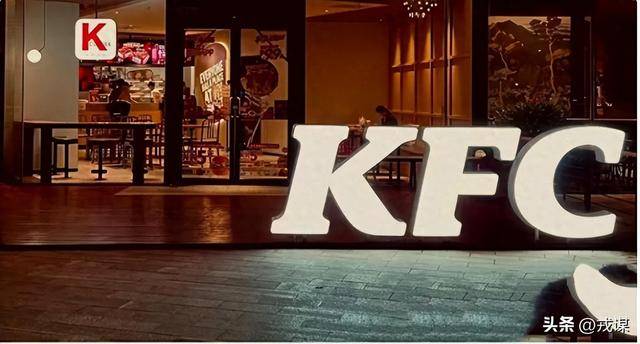
Core Viewpoint - Carlyle Group's acquisition of KFC in South Korea for 950 million RMB is a strategic move to enhance its presence in the Asian fast-food market, following its previous acquisition of KFC Japan just a year and a half earlier [1][3]. Group 1: Acquisition Details - Carlyle Group acquired South Korean KFC for 950 million RMB, a significant increase from its previous sale price of over 600 billion KRW two years ago, marking a threefold increase [3]. - The acquisition aligns with Carlyle's strategy of "control + transformation," which has previously yielded substantial returns, such as a 670% profit increase from its investment in McDonald's China over six years [3][5]. Group 2: Operational Strategy - Carlyle's operational strategy includes localizing menu offerings and enhancing customer engagement, resulting in a membership base of 460 million and a repurchase rate of 65% [5]. - The integration of KFC with Carlyle's existing coffee chain, Tous Les Jours, allows for cost reductions through shared supply chains and combined marketing efforts [7][9]. Group 3: Market Potential - The South Korean fast-food market is experiencing an annual growth rate of 8%, with KFC's profits projected to surge by 469% in 2024, indicating a favorable market environment for Carlyle's investment [7][11]. - Carlyle currently operates 1,470 KFC outlets across China, Japan, and South Korea, enabling economies of scale that can reduce procurement costs by 10%-15% [9]. Group 4: Challenges and Risks - Cultural differences between South Korea and Japan may pose integration challenges, as South Korea favors innovation while Japan emphasizes precision [11]. - The competitive landscape includes strong local brands like Mom's Touch and the potential impact of economic downturns and currency fluctuations on profitability [11][13]. Group 5: Investment Philosophy - Carlyle's approach contrasts with other capital players in the restaurant sector, focusing on full ownership and deep operational improvements rather than rapid expansion [13]. - The ongoing capital interest in the restaurant industry suggests that Carlyle's East Asian strategy could serve as a benchmark for future investments [13].

华西证券:首予锅圈(02517)“买入”评级 小炒业态蓄势待发
智通财经网· 2025-12-22 02:10
Core Viewpoint - Company is positioned as a leading player in the "at-home dining" sector, with a focus on convenience, cost-effectiveness, and a variety of options to meet consumer demands [1][4] Group 1: Store Operations - The company offers a competitive advantage through convenience, high cost-performance, and multiple options, catering to consumers who prefer dining at home [1] - Products are centered around the "at-home dining" concept, ensuring quick and easy meal solutions through various offerings such as hot pot sets and combo meals [1] - The pricing of hot pot ingredients is competitive compared to major fresh supermarkets, with in-store combo purchases offering discounts of over 20% [1] - The number of new SKUs introduced annually reached a historical high of 412 in 2024, enhancing product variety [1] Group 2: Supply Chain Enhancement - The company is strengthening its supply chain through self-production and cold chain acquisitions, which increases business coverage and optimizes costs [2] - As of April 2025, the company has established seven processing plants through acquisitions and investments, with self-produced products accounting for 20% of total offerings in 2024 [2] - A planned investment of 490 million yuan in a Hainan food industrial park aims to enhance the processing of overseas ingredients [2] - The acquisition of Huading Cold Chain in 2024 complements the existing supply chain, improving store coverage [2] - The establishment of 19 digital central warehouses by June 2025 has increased product delivery range and sales volume, optimizing inventory turnover days [2] Group 3: Franchise Model - The company is developing a franchise model with various store types, including standard stores, township stores, and new formats like "Guoquan Xiaochao" [3] - Standard stores are expected to improve operational capabilities through refined management and training programs for store managers [3] - Township stores are innovating their market penetration strategies, becoming a new revenue support point for the company [3] - The "Yao Yao Ling Xian" model targets the agricultural market with low initial investment, while "Guoquan Xiaochao" aims to standardize operations and optimize product offerings based on consumer preferences [3] Group 4: Future Trends - The company is poised for accelerated expansion in the "at-home dining" market, with over 10,000 stores and a renewed focus on growth post-integration [4] - The new management model for standard stores is expected to enhance operational performance, while township stores have significant market potential [4] - The supply chain network is rapidly expanding, with third-party cold chain acquisitions enhancing national delivery capabilities [4] - The financial structure is robust under a franchise-based, asset-light model, with strong cash reserves and fast inventory turnover [4]

北京为殡葬行业明码标价立规矩
Bei Jing Qing Nian Bao· 2025-12-05 06:27
Core Viewpoint - The new regulations aim to enhance transparency and standardization in the funeral industry pricing, addressing issues of price fraud and non-compliance with clear pricing standards [2][3]. Group 1: Overview of Regulations - The "Beijing Funeral Industry Operators Clear Pricing Regulations" consists of 23 articles, divided into four sections: general principles, clear pricing rules, legal responsibilities, and supplementary provisions [2]. - The regulations will take effect on January 15, 2026, and introduce the "one grave, one price" principle for grave and cremation services [2][4]. Group 2: Clear Pricing Rules - Operators must display prices prominently in service areas using various formats such as price tags, price lists, and electronic displays, ensuring easy visibility [3]. - Prohibitions include charging additional fees beyond those listed, selective pricing, and splitting charges for the same service [3][4]. - For intermediary services, separate pricing for intermediary fees and any collected fees must be clearly stated [3]. Group 3: Specific Pricing Requirements - The "one grave, one price" principle mandates that each grave or cremation space must have its own price displayed, enhancing transparency and reducing fraud risks [4]. - Online pricing must also be clearly displayed on websites, ensuring consistency with offline pricing [4]. - The regulations provide standardized pricing templates for funeral services and products to facilitate compliance and promote transparency [4].