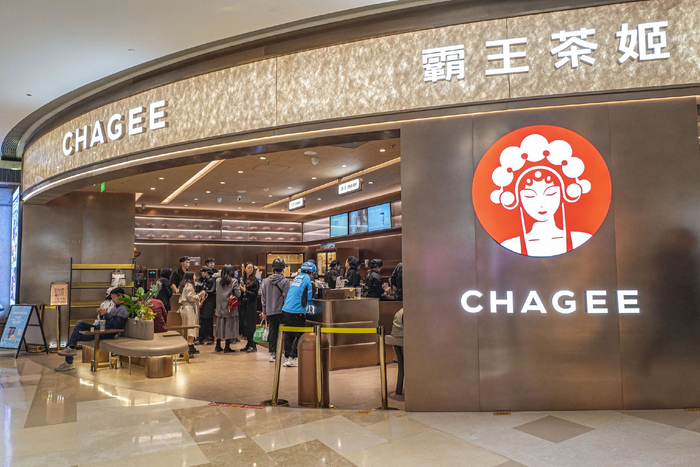
羽衣纤体果蔬茶

Search documents
奶茶店,够了
3 6 Ke· 2025-12-19 00:30
Core Insights - The tea beverage industry is experiencing a significant slowdown after a period of rapid expansion, with market saturation and declining profitability for franchisees becoming evident [1][2][5]. Industry Overview - The tea beverage market has seen an unprecedented acceleration over the past five years, with major brands rapidly expanding in both first and second-tier cities, as well as in lower-tier markets [1]. - As of September, the total number of tea beverage outlets in China has surpassed 131,000, with projections indicating that the total number of related enterprises will exceed 1.1 million by 2025 [5]. Franchisee Challenges - Franchisees like Zhang Lixia, an early investor in Bawang Tea, are facing declining profits due to increased competition and a significant drop in net profit margins, which have fallen by over 50% [2]. - The growth rate of new store openings for Bawang Tea has drastically decreased from 20%-49% to single digits, indicating a slowdown in expansion [2]. Market Dynamics - The competitive landscape has shifted, with many brands experiencing a decline in new product innovation and consumer interest, leading to a saturation of similar offerings in the market [11][18]. - The introduction of new products has become less frequent, with Bawang Tea launching only eight new items this year, failing to replicate the success of previous hits [11][12]. Financial Performance - Financial reports indicate a decline in revenue and profit margins across major brands, with Bawang Tea's third-quarter net income down 9.4% year-over-year and adjusted net profit down 22.3% [26]. - The overall profitability of the industry is under pressure due to intensified competition and the impact of delivery service subsidies, which have altered consumer price perceptions [27][21]. Strategic Responses - In response to these challenges, brands are focusing on optimizing supply chains and enhancing product differentiation to stabilize franchisee operations [32][33]. - Bawang Tea is implementing a new cooperative model that reduces fees for franchisees and aims to improve their profit margins by 1.1% [35]. International Expansion - While the domestic market faces challenges, Bawang Tea and other brands are successfully expanding overseas, with Bawang Tea's international growth rate increasing from 8.3% in Q1 to 26% in Q3 [36]. - The international market presents a new growth opportunity for tea beverage brands, as they leverage their established business models to compete against local brands [39].

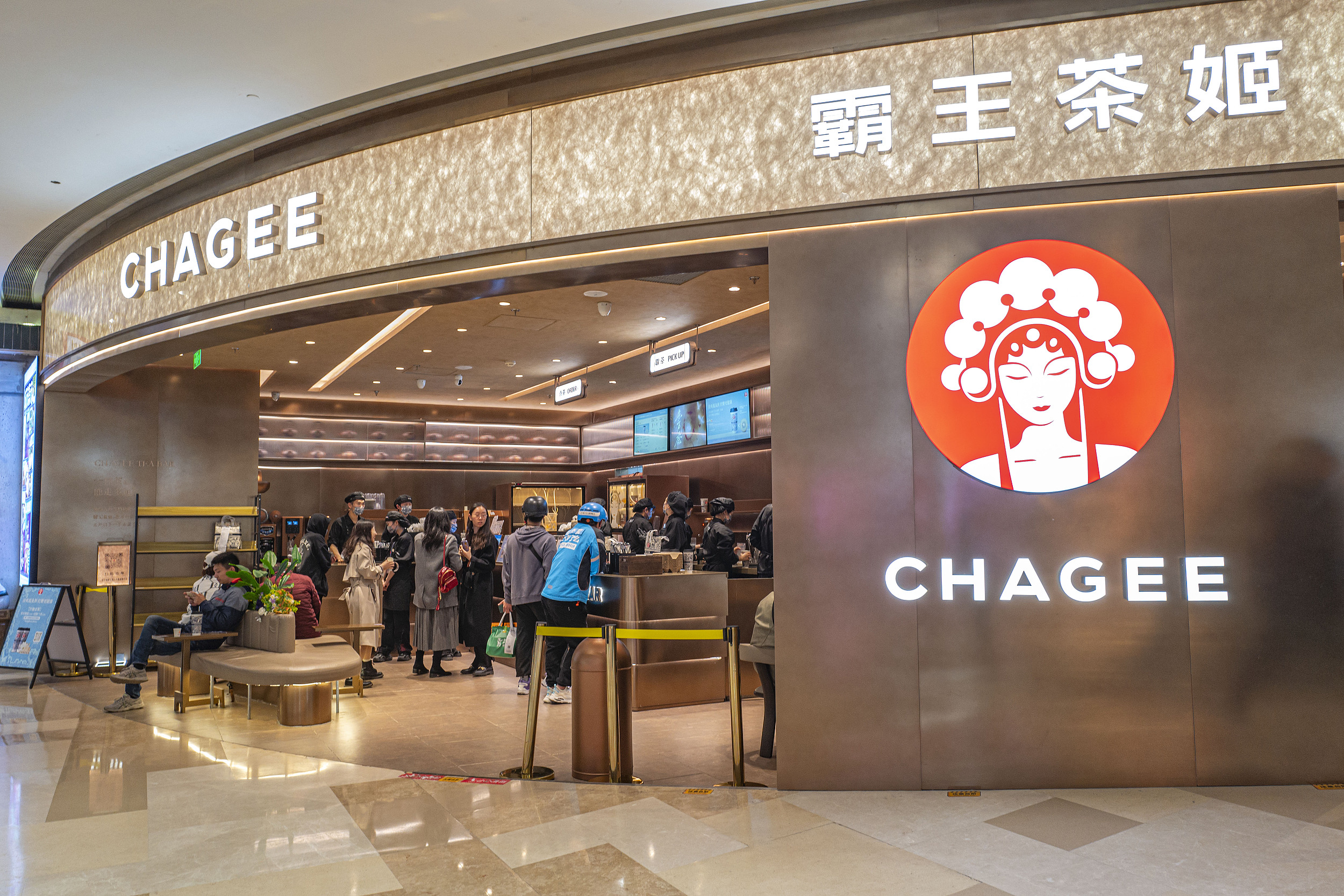
奶茶店,够了|商业头条No.103
Xin Lang Cai Jing· 2025-12-18 11:10
Core Insights - The tea beverage industry in China is experiencing a significant slowdown after a period of rapid expansion, with many brands facing challenges in maintaining profitability and growth [1][3][25]. Group 1: Industry Overview - The tea beverage market has seen a surge in the number of businesses, with over 1.1 million companies expected by 2025, and a total of 131,000 stores for 30 representative brands as of September [6]. - The growth rate of new store openings has drastically decreased, with major brands like Bawang Chaji seeing a drop from 20%-49% to single digits [3][6]. - The overall market size is projected to reach 350 billion yuan by 2024, but the growth rate has slowed from over 20% pre-pandemic to 6.4% [6]. Group 2: Brand Performance - Bawang Chaji's new store openings have significantly declined, with only 228, 318, and 246 new stores in the first three quarters of the year, compared to previous years' openings of 600-800 [3]. - Other brands like Tea Baidao and Heytea are also experiencing reduced growth, with Tea Baidao's store count increasing by only 0.7% year-on-year [6]. - Bawang Chaji reported a 9.4% decline in net revenue and a 22.3% drop in adjusted net profit in Q3 [25]. Group 3: Franchisee Challenges - Franchisees are struggling with declining profit margins, with some reporting net profit rates dropping by over 50% [3][20]. - High rental costs and increased competition are making it difficult for franchisees to maintain profitability, with many unable to find suitable locations for new stores [8][11]. - The introduction of new tax regulations has further increased the financial burden on franchisees, as reported revenues are now based on pre-discount prices [29]. Group 4: Market Dynamics - The saturation of the market has led to a decrease in consumer interest, with many opting for lower-priced alternatives [20]. - Brands are facing innovation fatigue, with a lack of new product offerings leading to consumer disengagement [12][18]. - The competitive landscape has intensified, with many brands launching similar products, making it hard for consumers to differentiate between them [19][20]. Group 5: Strategic Responses - In response to these challenges, brands are focusing on optimizing supply chains and product differentiation to improve profitability [31]. - Bawang Chaji is implementing a new joint venture model to reduce costs for franchisees, aiming to increase their gross margins [32]. - Brands are also looking to expand internationally, with Bawang Chaji and Heytea seeing significant growth in overseas markets [33][37].
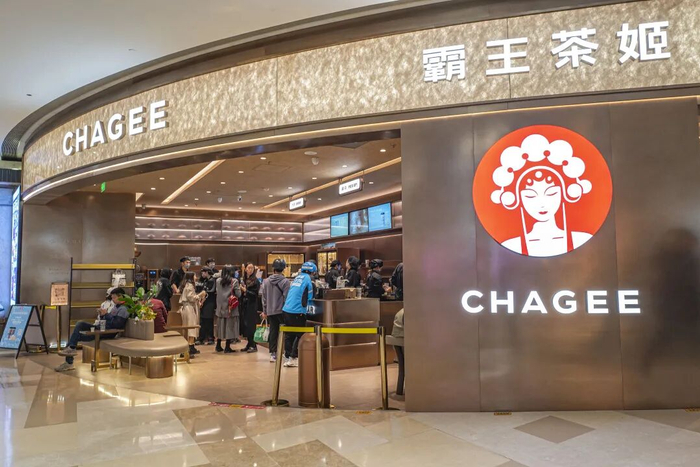
商业头条No.103 | 奶茶店,够了
Xin Lang Cai Jing· 2025-12-18 10:28
Core Insights - The tea beverage industry in China is experiencing a significant slowdown after a period of rapid expansion, with many brands facing challenges in maintaining profitability and growth [1][3][20]. Industry Overview - The tea beverage market has seen a surge in the number of companies, with over 1.1 million related enterprises expected by 2025, and a total of 131,000 stores for 30 representative brands as of September [5]. - The growth rate of new store openings has drastically decreased, with major brands like Bawang Chaji seeing a drop from 20%-49% to single digits [3][6]. Company Performance - Bawang Chaji's franchisees are struggling with declining profit margins, with net profit rates dropping by over 50% this year [3][20]. - The company reported a 9.4% decline in net revenue and a 22.3% drop in adjusted net profit for Q3, with total GMV in Greater China down by 6% [25]. - Other brands like Tea Baidao and Gu Ming also reported significant declines in profitability, with Gu Ming's single-store GMV down by 4.3% year-on-year [25][26]. Franchisee Challenges - Franchisees are facing increased operational costs due to high rental prices and the need for discounts to attract customers, leading to a situation where actual income is significantly lower than expected [11][20]. - The introduction of new tax regulations has further complicated the financial landscape for franchisees, increasing their tax burden despite rising reported revenues [29]. Market Dynamics - The saturation of the market has led to a decrease in consumer interest, with many consumers now opting for lesser-known brands over established ones due to price sensitivity [19][20]. - The lack of innovation in product offerings has resulted in a homogenization of new products across brands, diminishing brand loyalty among consumers [12][19]. Strategic Responses - In response to these challenges, companies are focusing on optimizing supply chains and product differentiation, with brands like Tea Baidao and Heytea announcing strategic shifts to improve profitability [31][34]. - Bawang Chaji is implementing a new joint venture model to reduce costs for franchisees, aiming to improve their profit margins by adjusting fees and material costs [34]. International Expansion - While the domestic market faces challenges, brands like Bawang Chaji and Heytea are successfully expanding overseas, with significant growth rates in international markets [35][39]. - The relatively simple operational model of tea beverages allows for easier entry into foreign markets, providing new growth opportunities for these companies [39].