
轻乳茶

Search documents
门店突破1.3万家,古茗交出上市首年高质量答卷
凤凰网财经· 2026-03-26 11:41
Core Viewpoint - The company, Gu Ming, has demonstrated solid and sustainable growth in its first complete annual performance report post-IPO, with a focus on deepening market penetration and optimizing supply chain and operational efficiency, without relying on influencer marketing or extreme low pricing [1] Group 1: Financial Performance - In 2025, Gu Ming achieved total revenue of 12.914 billion, a year-on-year increase of 46.9%, maintaining a leading position in the new tea beverage industry [3] - The gross profit reached 4.262 billion, up 58.6% year-on-year, with a gross margin increase from 30.6% in 2024 to 33.0%, reflecting improved scale effects and cost control [4] - Net profit for the year was 3.115 billion, a remarkable growth of 108.6%, with adjusted profit at 2.575 billion, up 66.9% [5] Group 2: Growth Drivers - The rapid expansion of store numbers contributed significantly, with a net increase of 3,640 stores in 2025, solidifying the revenue base [6] - Single-store operational efficiency improved, with an average daily sale of 456 cups, an increase of 18.8%, indicating strong consumer repurchase intent [6] - Product structure optimization across various categories, including fresh fruit tea and coffee, has led to steady increases in average transaction value and repurchase rates [6] Group 3: Market Strategy - By the end of 2025, Gu Ming had a total of 13,554 stores across over 200 cities, with 82% of stores located in tier two and below cities, and 44% in towns [9][10] - The strategy of focusing on lower-tier markets allows Gu Ming to avoid intense competition in first-tier cities while capturing a stable consumer base [11] - The company’s franchise model and operational support ensure high-quality and sustainable expansion of its store network [12] Group 4: Supply Chain and Logistics - Gu Ming has established a comprehensive cold chain logistics system with 24 warehouses and a total area of 258,000 square meters, ensuring efficient delivery of perishable goods [15] - The cost of delivery from warehouses to stores is less than 1% of total GMV, significantly lower than the industry average, showcasing effective cost control [17] - The company launched 106 new products in 2025, including 27 coffee products, enhancing customer engagement and increasing revenue potential [19] Group 5: Financial Health and Future Outlook - Gu Ming reported cash and bank balances of 4.321 billion, with a net cash flow from operating activities of 2.409 billion, indicating strong financial health for future investments [20] - Plans for 2026 include expanding store presence in existing provinces, entering new markets, and enhancing digital operations and supply chain systems [21] - The company’s commitment to quality, stability, and deep market penetration positions it as a long-term growth candidate in the new tea beverage industry [21]

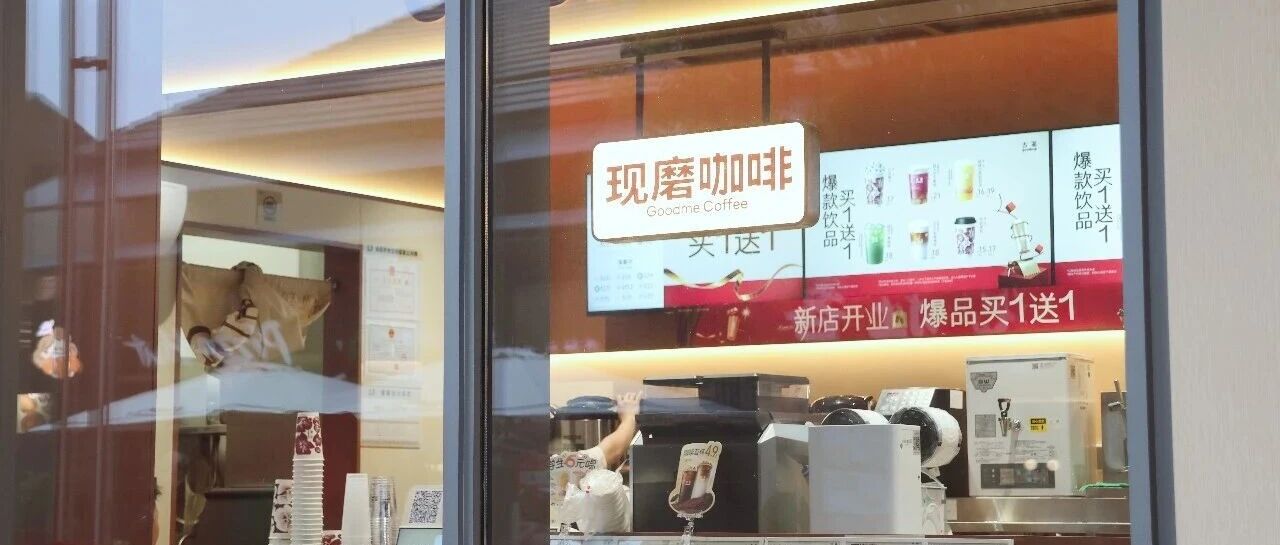
不再只卖咖啡,非咖啡饮品杯量占比超20%!突破3万家门店后,瑞幸财报里的野心与隐忧
Mei Ri Jing Ji Xin Wen· 2026-02-27 13:14
Core Viewpoint - Luckin Coffee has reported significant growth in store count and revenue, but faces challenges in profit margins and same-store sales growth as it transitions to a broader beverage platform [2][3][9] Financial Performance - As of the end of 2025, Luckin Coffee operates 31,048 stores globally, with total net revenue reaching 49.288 billion RMB, a year-on-year increase of 43.0% [2] - The company achieved an operating profit of 5.073 billion RMB, with an operating margin of 10.3% under GAAP [2] - In Q4 2025, the GAAP operating margin dropped to 6.4%, down from 10.5% in the same quarter of 2024 [8] Store Expansion and Customer Growth - Luckin Coffee added 8,708 new stores in 2025, contributing to a total of over 31,000 stores [3] - The company reported over 1.1 billion new transaction customers in 2025, with cumulative transaction customers exceeding 450 million [4] - Monthly active users surpassed 100 million for five consecutive months from June to October 2025, indicating a strong user base [4] Product Diversification - In 2025, Luckin launched over 140 new products, with non-coffee beverages accounting for over 20% of total beverage sales [5][6] - The company is competing in the broader beverage market, including tea and fruit drinks, to capture a wider consumer base [6] Franchise Model and Revenue - The franchise model has become crucial for Luckin's market penetration, with franchise store revenue growing by 49.7% year-on-year to 11.594 billion RMB, outpacing self-operated store revenue growth of 41.6% [4] - Self-operated stores generated 36.243 billion RMB in revenue in 2025 [4] Competitive Landscape - The beverage industry is shifting from price competition to a focus on system capabilities, with Luckin emphasizing its digital infrastructure and supply chain as competitive advantages [7] - The company faces increasing competition from tea brands entering the coffee market and vice versa, complicating the competitive dynamics [8][9] Strategic Challenges - Luckin must balance its rapid expansion with maintaining profit margins and addressing declining same-store sales growth, which fell to 1.2% in Q4 2025 from 14.4% in Q3 2025 [8] - The company is tasked with enhancing customer retention and increasing repurchase rates among its large user base [9]
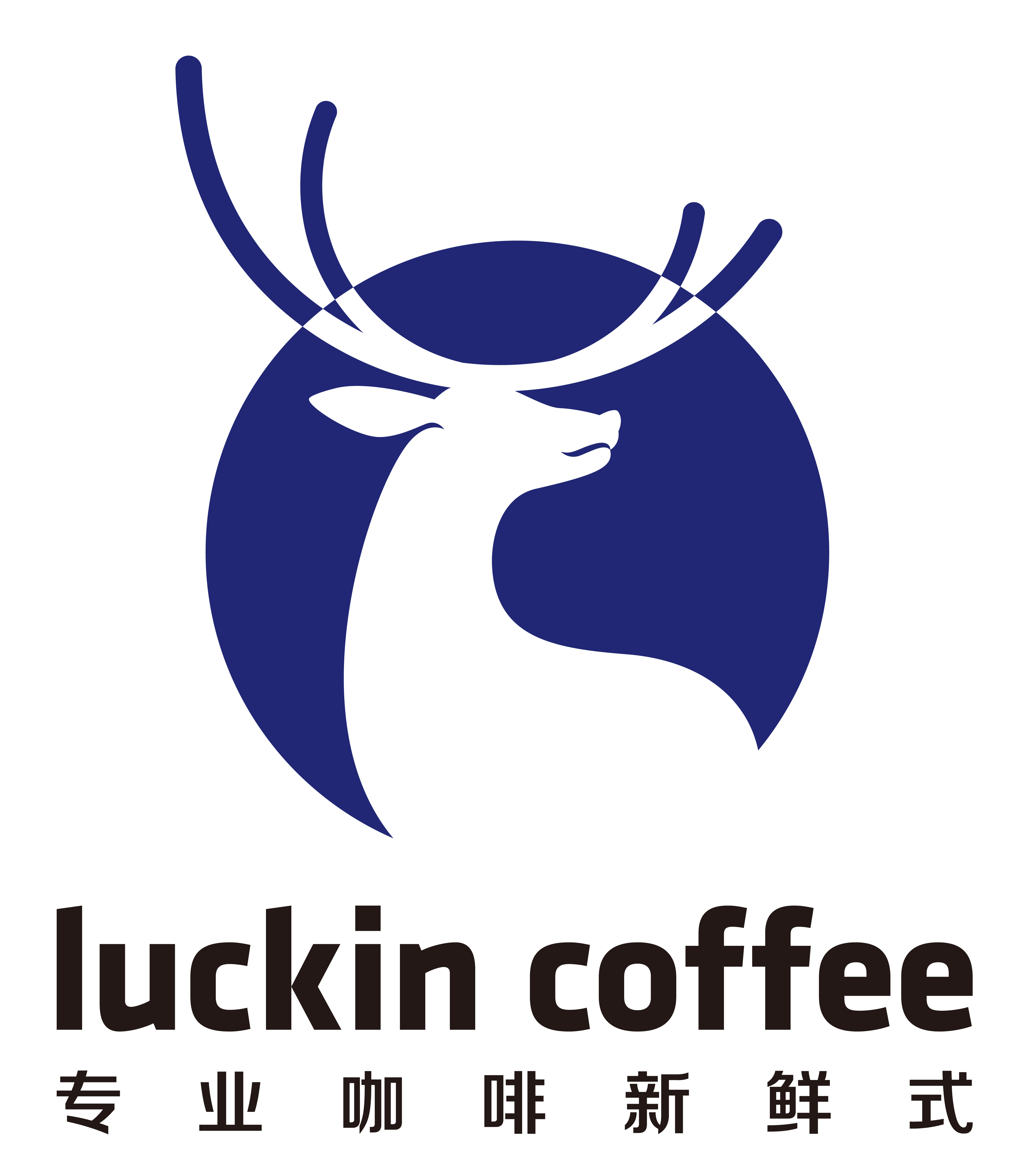
茶咖的2026叙事:规模神话的边界在何方
Hua Er Jie Jian Wen· 2026-02-27 08:48
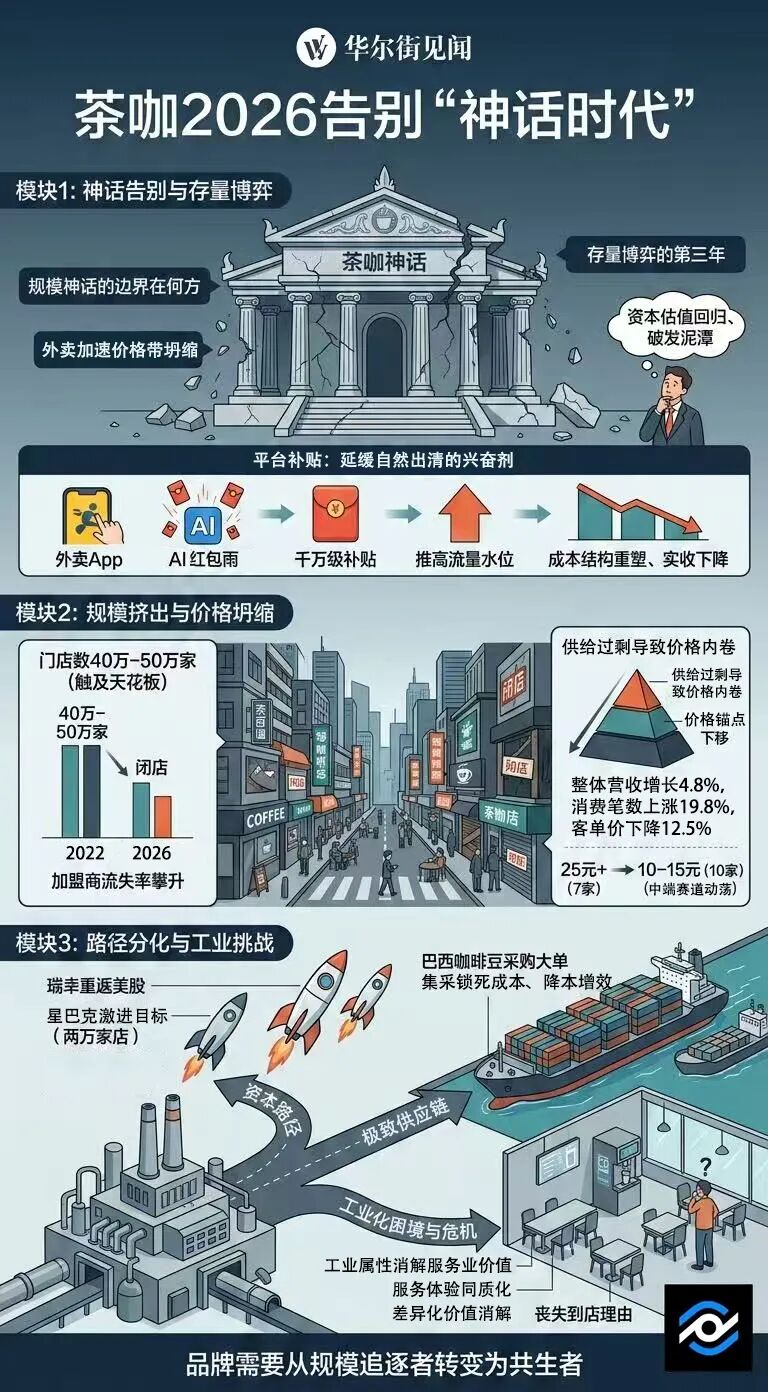
Core Insights - The coffee and tea beverage industry is heavily influenced by aggressive marketing strategies and subsidies from delivery platforms, which have significantly increased order volumes and market penetration [1][2] - The competitive landscape is evolving, with brands shifting strategies from aggressive pricing wars to more innovative store concepts and partnerships, indicating a maturation of the market [2][5] - The industry is facing a saturation point, with the number of tea and coffee shops reaching physical limits, leading to a focus on existing store performance rather than new openings [5][8] Group 1: Market Dynamics - The delivery platforms have created a temporary boost in order volumes through substantial subsidies, but this has also led to a reliance on these platforms for revenue [1][9] - The number of tea shops in China has reached approximately 400,000 to 500,000, indicating a saturation point where further growth is primarily through store replacements rather than new openings [5][8] - In Q1 2025, the tea beverage channel saw a net closure of 20,000 stores, highlighting the challenges of maintaining profitability in a saturated market [5][8] Group 2: Brand Strategies - Brands like Luckin Coffee and Heytea are exploring new store formats and concepts, such as flagship stores and themed experiences, to attract customers and differentiate themselves [2][29] - The shift from aggressive pricing strategies to a focus on brand experience and quality is evident, as brands seek to establish a more sustainable competitive advantage [2][14] - The trend of brands adjusting their business models to share risks with franchisees, moving from a focus on raw material sales to revenue-sharing models, reflects the changing dynamics in the industry [13][14] Group 3: Financial Performance - The overall revenue of the tea beverage industry grew by 4.8% in 2025, but the average transaction value decreased by 12.5%, indicating a challenging pricing environment [15][16] - Brands that have not engaged in price wars, such as Bawang Chaji, have experienced significant declines in same-store sales, with monthly GMV dropping by 25% to 28.3% [12] - The reliance on delivery platforms has led to increased operational costs, with delivery fees rising by 94.5% year-on-year for Luckin Coffee, further squeezing profit margins [10][11] Group 4: Consumer Behavior - Consumer purchasing habits are shifting due to the influence of delivery platforms, which are altering price perceptions and leading to a decline in brand loyalty [9][18] - The average coffee consumption per person is projected to grow slowly, indicating that while the market is expanding, the growth rate is diminishing [35][36] - The blurring lines between coffee and tea beverages are creating new challenges for brands as they attempt to capture market share across categories [36][38]
新茶饮的“最强春节档” 有门店业绩环比增超1500%
2 1 Shi Ji Jing Ji Bao Dao· 2026-02-27 08:39
Core Insights - The new tea beverage market experienced significant growth during the 2026 Spring Festival, driven by a combination of a 9-day holiday and increased consumer spending [1][6] - Major brands reported explosive sales increases, with some stores seeing sales growth of over 130% year-on-year and certain locations achieving up to 790% growth compared to pre-holiday levels [1][2] Group 1: Sales Performance - Jasmine Milk White's nationwide store GMV increased by over 130%, with some stores achieving a 790% increase in sales compared to the period before the holiday [1] - Sweet Lala reported some stores with over 1500% growth, and over 800% growth in more than a thousand rural stores [1] - Popular tourist cities like Chongqing, Chengdu, and Shanghai led in sales, with brands like Bawang Tea Ji and Jasmine Milk White performing exceptionally well [2] Group 2: Consumer Behavior - Consumers indulged more during the holiday, with reports of daily purchases of tea beverages, indicating a shift in spending habits during festive periods [1] - The influx of tourists, including international visitors, contributed to increased sales, particularly in scenic areas and transportation hubs [2][3] Group 3: Operational Strategies - Many brands adopted a "24-hour operation" strategy during the holiday, which significantly boosted sales, especially during late-night hours [3][4] - Brands prepared extensively for the holiday by hiring additional staff and stocking up on inventory to meet the increased demand [5] Group 4: Marketing and Promotions - Brands implemented various marketing strategies, including festive decorations and themed packaging, to enhance the holiday shopping experience [6] - The strong performance during the Spring Festival highlighted the robust growth potential of the new tea beverage industry, particularly in lower-tier markets and during peak consumption periods [6]
新茶饮的“最强春节档”
2 1 Shi Ji Jing Ji Bao Dao· 2026-02-27 00:34
Core Insights - The new tea beverage market experienced explosive growth during the 2026 Spring Festival, driven by a record 9-day holiday and increased consumer spending [1][2] - Brands like Jasmine Milk White and Sweet Lala reported significant sales increases, with some stores seeing sales growth of over 1500% compared to pre-holiday levels [1][2] Group 1: Market Performance - Jasmine Milk White's nationwide store GMV increased by over 130%, with some locations experiencing a 790% increase in sales compared to the previous period [1] - Sweet Lala's performance was remarkable, with certain stores achieving over 1500% growth and over 800% growth in rural locations [1][2] - Popular tourist cities such as Chongqing, Chengdu, and Shanghai led in sales, with brands like Bawang Tea Princess also performing strongly [2] Group 2: Consumer Behavior - Consumers indulged more during the holiday, with reports of daily purchases of tea beverages, reflecting a shift in spending habits during the festive season [1] - The influx of tourists, including international visitors, contributed to increased sales, particularly in scenic areas and transportation hubs [2][3] Group 3: Operational Strategies - Many stores operated 24/7 during the holiday, leading to increased sales, especially during nighttime hours, with peak orders reaching 300-400 cups per hour [3][4] - Brands prepared extensively for the holiday, with significant inventory investments to avoid stock shortages, ensuring a steady supply to meet demand [5][6] Group 4: Marketing and Promotions - Brands implemented various marketing strategies, including festive decorations and themed packaging, to enhance the holiday shopping experience [6] - The strong performance during the Spring Festival highlighted the potential for growth in the new tea beverage sector, particularly in lower-tier markets and through nighttime sales [6]
新茶饮的“最强春节档” 丨咖啡茶饮龙门阵
2 1 Shi Ji Jing Ji Bao Dao· 2026-02-27 00:29
Core Insights - The new tea beverage market experienced significant growth during the 2026 Spring Festival, driven by a combination of a long holiday and increased consumer spending [1][6] - Brands such as Jasmine Milk White and Sweet Lala reported explosive sales increases, with some stores seeing sales growth of over 1500% compared to pre-holiday levels [1][2] Group 1: Sales Performance - Jasmine Milk White's nationwide store GMV increased by over 130% year-on-year, with some stores experiencing a 790% increase compared to the pre-holiday period, selling nearly 10 million cups of tea [1] - Sweet Lala reported that some stores saw a 1500% increase in sales, with over 800% growth in rural stores [1][2] - The performance of tea brands was particularly strong in major tourist cities, with sales in Chongqing, Chengdu, Shanghai, Beijing, and Hangzhou leading the market [2] Group 2: Consumer Behavior - Consumers indulged more during the holiday, with reports of daily purchases of tea beverages, reflecting a shift in spending habits during the festive season [1] - The influx of tourists, including international visitors, contributed to increased sales, with some stores reporting daily sales tripling compared to normal [2][3] Group 3: Operational Strategies - Many stores operated 24 hours during the holiday, leading to significant increases in nighttime orders, with peak hours seeing up to 400 orders per hour [3] - Brands prepared extensively for the holiday, with significant stockpiling to avoid shortages, and implemented flexible strategies to manage high demand [5][6] Group 4: Marketing and Promotions - Brands engaged in various marketing activities to enhance the festive atmosphere, including customized packaging and promotional displays [6] - The strong performance during the Spring Festival highlighted the robust growth potential of the new tea beverage industry, particularly in lower-tier markets and tourist areas [6]
古茗20260211
2026-02-11 15:40
Summary of Conference Call Notes Company and Industry Overview - The conference call focused on the tea beverage industry, specifically the company "Guming" (古茗) and its market position within the sector. The tea beverage industry is expected to grow at a compound annual growth rate (CAGR) of over 15% over the next five years due to changes in consumer preferences and market dynamics [1][2]. Key Insights and Arguments Industry Growth and Market Dynamics - The tea beverage industry is experiencing a shift towards premiumization, with a notable distinction between low-priced (below 10 RMB) and mid-priced (above 10 RMB) segments. The low-priced segment is dominated by Guming, which holds nearly 60% market share in this category [1][2]. - The mid-priced segment faces intense competition, requiring brands to possess strong management capabilities and a robust supply chain to maintain long-term competitiveness [2]. Guming's Business Model and Growth Strategy - Guming has established a significant presence with over 13,000 stores and aims to reach 20,000 by 2027, with a long-term target of approximately 40,000 stores in China [3][7]. - The company has undergone three phases of development: establishing its business model (2010-2017), expanding through regional strategies (2019-2021), and accelerating growth post-IPO [3][6]. - Guming's revenue model primarily relies on a franchise system, generating income from supply chain services and initial franchise fees. The company reported a GMV of 106 billion RMB in 2021, projected to reach 340 billion RMB in 2025, with a CAGR of approximately 34% [7][8]. Financial Performance and Projections - Guming's revenue for 2025 is expected to reach 13.6 billion RMB, with a year-over-year growth rate of around 55%. The adjusted net profit is projected to be between 2.4 billion and 2.5 billion RMB, reflecting a 60% increase [8][26]. - The company has maintained a strong cash flow due to its franchise model, allowing for significant reinvestment in growth and expansion [6][11]. Competitive Advantages - Guming's competitive edge lies in its supply chain efficiency, product innovation, and strong brand loyalty. The company has a high customer retention rate, with a quarterly active membership of approximately 39.5 million, significantly higher than competitors [19][20]. - The company has a low closure rate of 4-6% compared to competitors, indicating strong franchisee satisfaction and operational stability [21]. Future Growth Opportunities - Guming plans to expand its product offerings beyond tea to include coffee and breakfast items, aiming to enhance customer engagement and increase sales per store [22][23]. - The company is focusing on penetrating underrepresented markets, with significant potential for growth in northern China, where it currently has limited presence [24][25]. Other Important Insights - Guming's management team is highly involved in operations, with a concentrated ownership structure that aligns the interests of key stakeholders [8][10]. - The company’s pricing strategy aims to balance affordability for consumers while ensuring reasonable returns for franchisees, which is crucial for sustaining growth in a competitive market [15][16]. - The upcoming conference call will delve deeper into Guming's product, supply chain, and management advantages, as well as comparisons with competitors [27]. This summary encapsulates the key points discussed in the conference call, highlighting Guming's strategic positioning, financial outlook, and competitive landscape within the tea beverage industry.
新茶饮一年消失15.7万家,品类选错了?
3 6 Ke· 2026-01-09 12:39
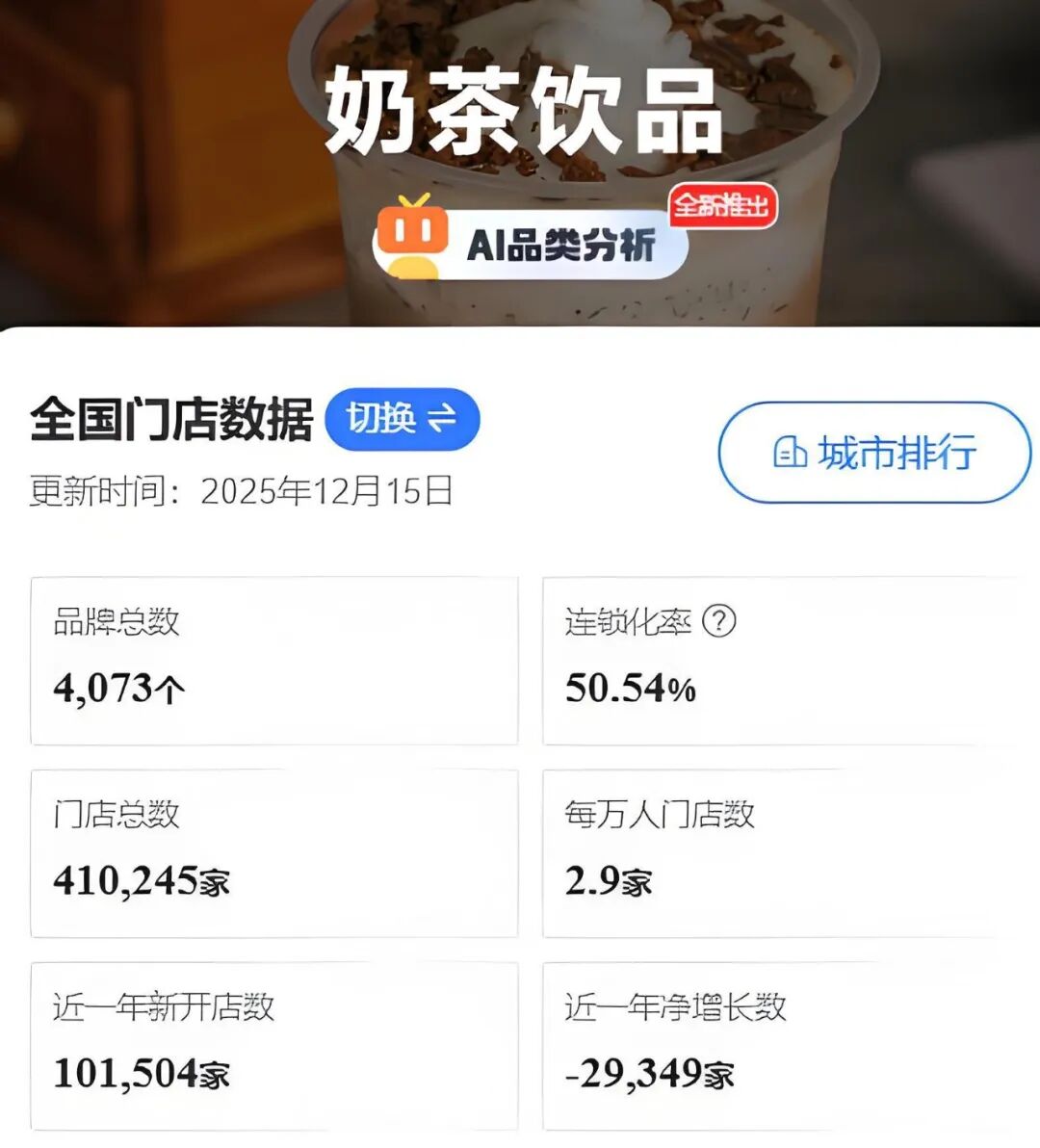
Core Insights - The new tea beverage sector in China has seen significant growth, with major brands like Mixue Ice City, Gu Ming, and others successfully going public, leading to the emergence of the "New Tea Beverage Six Dragons" [1][10] - The total number of tea beverage stores in China has surpassed 400,000, but the industry is experiencing a rapid "survival of the fittest" phase, with 157,000 stores closing in the past year [1][3] Industry Overview - The new tea beverage industry is characterized by a high chain rate of 50.54%, with a total of 410,245 stores and a net decrease of 29,349 stores in the past year [3] - The development of the tea beverage sector has evolved from low-cost, low-quality products in the 1980s to a focus on high-quality tea and innovative flavors in recent years [4][7] Brand Development - Major brands have adopted different strategies, with some focusing on single-hit products while others diversify their offerings [9][10] - The "single-hit" strategy has allowed brands like Shuyi Burned Fairy Grass to optimize their product development and operational efficiency, but it also poses risks if consumer preferences shift [11][13] Product Innovation - The introduction of unique products like cheese milk cap tea has revolutionized the market, leading to a focus on high-quality tea bases and innovative flavor combinations [5][7] - Brands are increasingly exploring the use of fresh fruits and unique ingredients to differentiate their products, although this also complicates supply chain management [8][17] Market Challenges - The rapid expansion of the new tea beverage market has led to intense competition and a high rate of store closures, indicating a need for brands to innovate continuously [1][13] - Supply chain complexities are increasing as brands strive to maintain quality and manage costs, with some companies investing in their own ingredient sourcing [17][18]
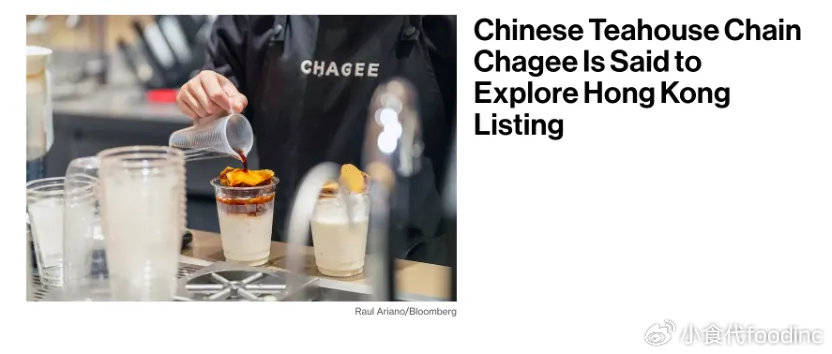
霸王茶姬或赴港上市,分析认为有合理性
Sou Hu Cai Jing· 2026-01-08 10:36
Core Viewpoint - Chagee Holdings Ltd., known as BaWang Tea Ji, is reportedly considering a secondary listing in Hong Kong, following its initial public offering (IPO) on NASDAQ last year, amidst a trend of Chinese beverage companies seeking to list in the Asian financial hub [1][4][10]. Company Overview - BaWang Tea Ji has over 7,300 stores globally, with 7,076 located in China and 262 overseas [6]. - The company is recognized as the first brand to introduce the light milk tea category in China's high-end fresh tea beverage market, establishing itself as an industry pioneer [6]. - As of September last year, BaWang Tea Ji's gross merchandise volume (GMV) was significantly driven by its light milk tea products, which accounted for 91% of its GMV in 2024 [6]. Market Context - The Hong Kong stock market has become a gathering place for various Chinese tea beverage brands, with several companies like Nayuki and Mi Xue Bing Cheng also planning to list [8]. - The IPO market in Hong Kong is expected to see a strong performance in January 2025, with 11 companies aiming to raise up to $4.1 billion [8]. Financial Performance - BaWang Tea Ji's GMV for the third quarter of 2025 was approximately 7.9295 billion yuan, a decrease from 8.3014 billion yuan in the same period of 2024 [16]. - The company's net income for the same period was 3.2083 billion yuan, down from 3.5412 billion yuan year-on-year [16]. - Same-store GMV declined by 27.8%, with the Chinese market experiencing a 27.9% drop [16]. Strategic Considerations - A potential listing in Hong Kong could help BaWang Tea Ji address its declining stock price in the U.S., where its market value has halved to approximately $2.5 billion since its NASDAQ debut [10]. - The company aims to enhance brand recognition in target markets, particularly in Greater China and Southeast Asia, by leveraging Hong Kong's position as a capital hub [12][15]. - BaWang Tea Ji's management team, including a new CFO with extensive experience, is well-equipped to navigate the capital markets [12]. Product and Brand Development - The company is focusing on a product-centric strategy, emphasizing high-quality development and brand experience [18]. - BaWang Tea Ji plans to upgrade its product offerings and expand into new consumption scenarios, such as breakfast and evening markets [18]. - In 2025, the company is expected to procure over 10,000 tons of tea, collaborating with over 100 tea factories to enhance its product quality [20].

沪上阿姨(02589):深度报告:从弄堂五谷香到万店版图,凭多品牌矩阵促规模扩张
ZHESHANG SECURITIES· 2025-12-22 13:53
Investment Rating - The report assigns an "Accumulate" rating to the company, marking its first coverage [1][2]. Core Insights - The company is a leading mid-priced beverage enterprise in China, focusing on high-quality, affordable drinks. Revenue is projected to grow from CNY 2.2 billion in 2022 to CNY 3.28 billion in 2024, with a CAGR of approximately 22% [1][2]. - The Chinese ready-to-drink beverage market is valued at over CNY 510 billion in 2023, with sustained double-digit growth. The market for freshly brewed coffee and tea is expected to grow significantly, indicating ample room for expansion [1][2]. - The company has launched over 300 new products and established a robust supply chain, contributing to its rapid store expansion from 5,307 in 2022 to 9,176 by 2024 [1][2]. Company Overview - The company, known as "沪上阿姨," has evolved from a local brand to a national leader in the ready-to-drink tea market, with a focus on high cost-performance products. It operates under three brand matrices: "沪上阿姨," "沪咖," and "茶瀑布," catering to various price segments [10][11]. - The company has experienced significant growth, with its store count increasing from 5,307 in 2022 to 9,176 in 2024, reflecting a CAGR of approximately 31.5% [28][31]. Industry Analysis - The ready-to-drink beverage industry in China is expanding rapidly, with a projected market size of CNY 1 trillion by 2028. The mid-price segment is expected to capture the largest market share, driven by consumer preferences for quality and affordability [1][2]. - The company is well-positioned to capitalize on the growth of the ready-to-drink beverage market, particularly in lower-tier cities where market penetration remains low [1][2]. Financial Forecast and Valuation - Revenue forecasts for the company are CNY 4 billion in 2025, CNY 4.6 billion in 2026, and CNY 5.5 billion in 2027, with corresponding net profits of CNY 505 million, CNY 578 million, and CNY 694 million [2][20]. - The company is expected to maintain a strong operating capability and market share, justifying a valuation premium with projected P/E ratios of 18x, 15x, and 13x for the years 2025, 2026, and 2027, respectively [1][2].