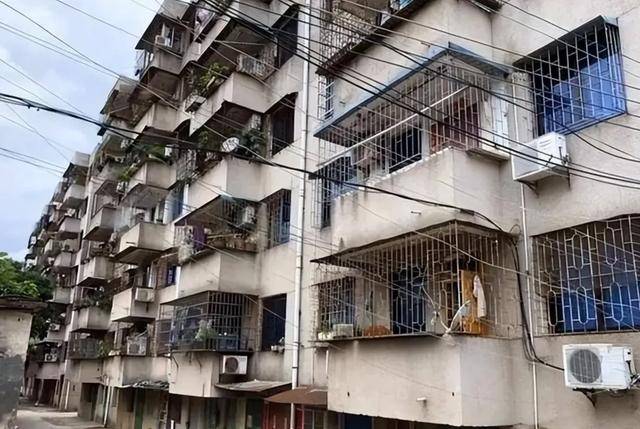
老破小住房

Search documents
重磅信号!马年官方开始收购老破小,楼市风向变了!
Xin Lang Cai Jing· 2026-02-22 04:34
Core Viewpoint - The Chinese real estate market is undergoing a significant transformation with the government's initiative to purchase aging properties, marking a strategic shift from expansion to revitalization and stability in the housing sector [1][7][13] Group 1: Market Context - The "old and dilapidated" properties, typically over 20 years old, have become a liquidity dead zone in the secondary housing market, leading to a negative cycle of price drops and market stagnation [3][6] - Many families are stuck in a "sell old, buy new" dilemma, unable to sell their old properties to fund new purchases, which exacerbates inventory pressure in the new housing market [3][6] - The lack of affordable rental housing in urban areas is a pressing issue, as traditional rental properties are often located in suburbs, making them unsuitable for new residents and young people [3][6] Group 2: Government Action - The government is implementing a targeted and gradual approach to purchasing these properties, with specific criteria for acquisition, such as location, size, and price [5][6] - In Shanghai, the first pilot city, the government has completed initial acquisitions focusing on small, older units, with plans to expand the program to additional districts [5][6] - Over 80 cities have expressed support for this initiative, with 36 cities issuing specific acquisition announcements, indicating a nationwide trend [6][12] Group 3: Strategic Implications - The initiative represents a new phase of "precise market support," providing a safety net for the most illiquid assets and stabilizing the market by preventing panic selling [7][9] - The acquisition program aims to break the housing exchange chain, allowing homeowners to sell their old properties and enter the new housing market, thus stimulating demand [9][11] - The approach shifts urban renewal from traditional demolition and reconstruction to a model focused on revitalizing existing properties, enhancing living conditions while improving the housing supply [11][12] Group 4: Housing System Evolution - The initiative reflects a transition from a market-dominated housing system to a dual-track system that includes both market and guaranteed housing [11][12] - The government aims to quickly supplement affordable housing supply through the acquisition of existing properties, reducing construction time and costs [11][12] - This policy is expected to stabilize the market without triggering a significant price increase, leading to a more rational and stable real estate environment [12][13]

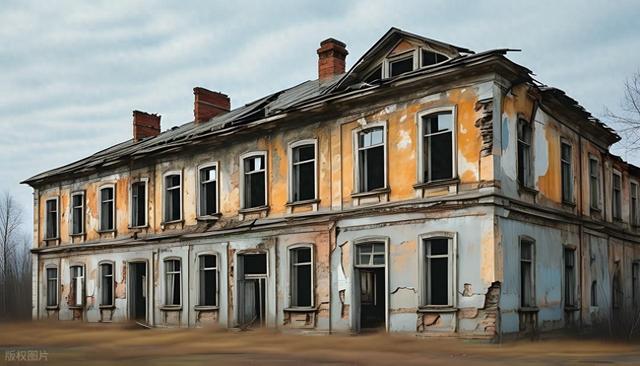
别乱卖老破小!2026年新规落地,业主直接躺赢
Xin Lang Cai Jing· 2026-02-18 13:08
Core Viewpoint - The real estate market is shifting from "incremental expansion" to "stock quality improvement," leading to a revaluation of older properties, particularly those in prime locations, as favorable policies come into effect in 2026 [3][12]. Group 1: Market Dynamics - In 2026, the transaction volume of second-hand homes in key cities is expected to increase by over 30% year-on-year, with properties older than 20 years seeing particularly significant growth [3]. - The demand for older properties in core areas of cities like Beijing and Shanghai is rising, leading to a situation of "supply not meeting demand" [3][12]. - The shift in market dynamics is driven by a combination of policy support, market demand, and changing consumer preferences [3]. Group 2: Policy Support - A new three-tier renovation system has been established, focusing on safety, functionality, and value enhancement, with a central government subsidy of 62.5 billion yuan and local subsidies covering 80%-90% of costs [5]. - The introduction of policies for "official acquisition and replacement support" aims to alleviate the difficulties in selling older homes, particularly small units under 70 square meters in prime locations [8]. - The government encourages the "original demolition and reconstruction" model for dilapidated properties, allowing for significant value increases post-renovation [9]. Group 3: Renovation Impact - Safety-focused renovations address issues like aging pipelines and insulation, while functionality improvements include the installation of elevators, which can increase property values by 10%-15% [5][6]. - Successful case studies show significant price increases post-renovation, with some properties seeing value jumps of 30% or more compared to non-renovated counterparts [6][9]. - The ability to legally monetize older properties through rental or cooperative models enhances their value and provides stable income streams for owners [11]. Group 4: Future Outlook - The core advantage of older properties lies in their irreplaceable location and established amenities, making them more desirable than new developments often located in less accessible areas [12]. - The 2026 market will favor older properties in first and strong second-tier cities, particularly those included in renovation or acquisition plans, while properties in less desirable locations may continue to depreciate [12][13]. - Owners of older properties are encouraged to engage with community renovation initiatives and take advantage of policy benefits to maximize asset value [13][14].

原拆原建来了,买了老破小的普通人,还有机会“翻身”吗?
Sou Hu Cai Jing· 2025-09-13 18:11
Core Viewpoint - The recent policy from the central government supports the renovation and reconstruction of old housing, which may present investment opportunities in the real estate market, particularly for old properties in prime locations [5][8]. Policy Implications - The policy aims to shift urban development from rapid expansion to improving existing housing stock, indicating a focus on quality over quantity in urban planning [4][8]. - The initiative is part of a broader strategy to stabilize the housing market, moving away from reliance on population influx for demand [4][8]. Market Dynamics - Successful examples of renovation, such as the transformation of the Zhejiang Gongshang University neighborhood, show significant price increases post-renovation, with prices rising from 30,000 to 46,000-50,000 CNY per square meter [3][6]. - However, not all old properties qualify for renovation; only those deemed dangerous or dilapidated are eligible, limiting the scope of potential investment opportunities [6][7]. Financial Considerations - The financial burden of renovation falls on homeowners, with costs potentially reaching 350,000 CNY for a 50 square meter unit, which may deter participation in some cases [7]. - Local governments rely heavily on land sales for revenue, which may restrict the widespread implementation of the renovation policy, as it could reduce demand for new developments [7][8]. Conclusion - While there are opportunities for value appreciation in core areas with old properties, the majority of ordinary old properties may not see significant benefits due to various constraints, including funding, homeowner consent, and urban planning regulations [8][9].