肥羊卷

Search documents
新疆乌苏市市场监管局护航冬季美食 筑牢食品安全防线
Zhong Guo Shi Pin Wang· 2025-11-25 04:04
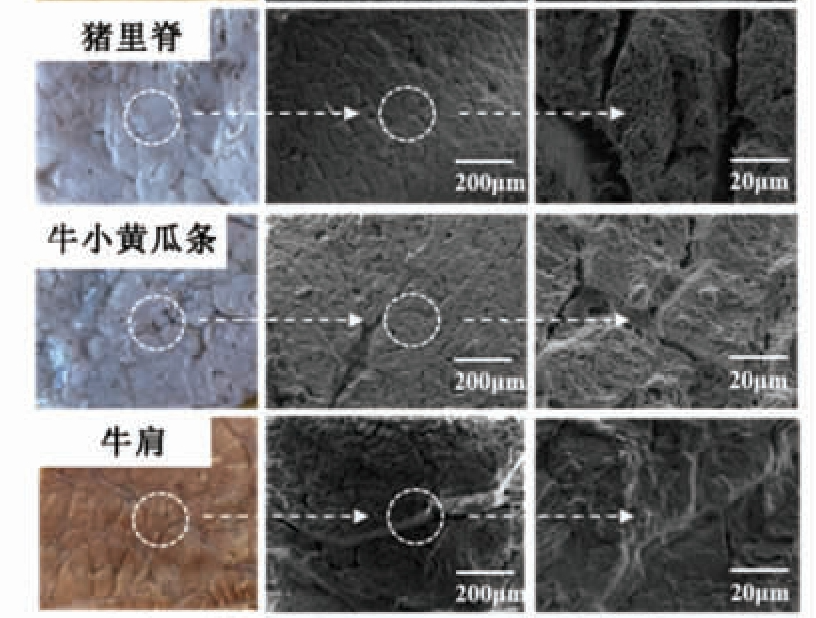
Group 1 - The Xinjiang Uygur Autonomous Region's Urumqi City Market Supervision Bureau is enhancing food safety regulations for winter dining, focusing on hot pot restaurants, spicy hot pot, noodle shops, and food ingredient sales [1] - The bureau is ensuring that all food businesses have complete and valid licenses, checking for compliance with operational scopes and health certifications of staff to prevent illegal operations [1] - Quality of food ingredients is being prioritized, with checks on meat products and other ingredients to ensure they have proper sourcing and traceability, preventing the entry of unverified food into the market [1] Group 2 - The enforcement personnel are verifying the accuracy of electronic scales used by businesses, ensuring they are properly calibrated and compliant with regulations to maintain fair measurement practices [2] - A total of 877 businesses have been inspected, revealing 136 issues, with 2 cases filed for non-compliance, and businesses are required to rectify identified problems within a specified timeframe [2] - The Urumqi City Market Supervision Bureau plans to continue strengthening food safety oversight during winter, ensuring consumers can enjoy safe and warm meals [2]
有肥牛卷肥羊卷,为什么没有肥猪卷
Hu Xiu· 2025-08-27 02:44
Core Viewpoint - The absence of "fatty pork rolls" in the hot pot market is attributed to the inherent characteristics of pork compared to beef, which make it less suitable for thin slicing and quick cooking methods like hot pot [4][10]. Group 1: Characteristics of Meat Rolls - There are two main types of beef rolls: original cut beef rolls, which are pure beef without additives, and restructured meat rolls, which are made from various parts of the animal combined with additives [2][11]. - Original cut meat rolls are preferred for hot pot due to their ability to cook quickly and maintain texture, while pork does not perform well in this regard due to its loose muscle fiber structure [4][6]. Group 2: Comparison of Pork and Beef - Pork's muscle fiber bundles are more loosely arranged than those of beef, making it difficult to slice thinly without falling apart [4][6]. - The tensile strength of pork is lower than that of beef, which affects its ability to maintain shape when sliced thinly [7]. - Beef has a higher content of connective tissue, which contributes to its juiciness and ability to retain moisture compared to pork [7][8]. Group 3: Safety Concerns - Pork is associated with a higher risk of trichinosis due to the presence of Trichinella spiralis, making it less suitable for cooking methods that do not ensure thorough cooking [8][9]. - The recommended cooking temperature for pork to eliminate parasites is higher than what is typically achieved in hot pot cooking [8][9]. Group 4: Market Dynamics - The cost of beef is significantly higher than that of pork, leading to the prevalence of restructured meat products that may use pork or other meats disguised as beef [14][15]. - The use of transglutaminase in restructured meat production has blurred the lines between different types of meat, making it difficult for consumers to discern the actual content [12][13].