
脑机接口医疗服务

Search documents
四川明确脑机接口医疗服务价格,置入费最高6583元/次|首席资讯日报
首席商业评论· 2026-01-09 04:51
Group 1 - Sichuan has set a maximum price of 6,583 yuan per session for brain-computer interface medical services, effective from April 30 this year, which is expected to promote industry standardization and prevent speculation [2] - WeChat has clarified that normal social behaviors will not be restricted under the new rules, ensuring users' accounts will not be penalized for typical usage patterns [3] - Aima Technology has denied rumors of a workforce reduction exceeding 50%, stating that personnel optimization is a normal adjustment for business development [4] Group 2 - Ant Group and Meituan Longzhu have invested in Shenzhen Guangzhi Shikong Technology Co., a developer of AI interactive devices, increasing its registered capital from approximately 1.6435 million yuan to about 2.1062 million yuan [5] - The film "The Legend of the Condor Heroes" has surpassed 200 million yuan in box office revenue within 9 days of its release [6][7] - IKEA announced the closure of 7 stores, including one in Shanghai, as part of its strategy to optimize business operations and focus on consumer-centric channels [8][13] Group 3 - Bawang Tea has responded to rumors of a potential IPO in Hong Kong, stating that there are currently no plans for such an initiative [9] - Lin Yunfeng, head of NetEase's DreamWorks division, has left the company, with the DreamWorks mobile game team being integrated into the Sea God division [10] - Chinese automotive brands are performing well in Ecuador, with BYD's sales expected to grow by 243.1% in 2025, and overall new car sales projected to increase by 15% [11] Group 4 - JD.com has established a "Chameleon Business Unit" to focus on the development and commercialization of core AI products [12] - JD.com is reportedly considering the issuance of dim sum bonds to raise approximately 10 billion yuan, although the company has stated there are no current plans for such an issuance [14]




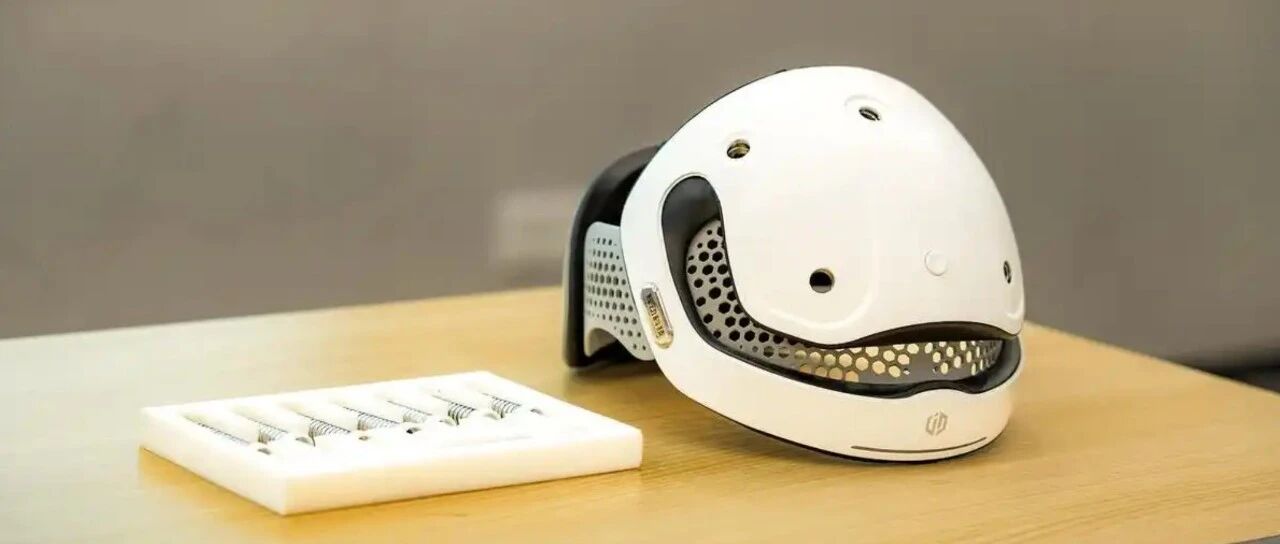
一图看懂|脑机接口概念股
市值风云· 2026-01-08 10:11
Core Viewpoint - The article discusses the integration of 82 medical service pricing items related to the nervous system by the Sichuan Provincial Medical Insurance Bureau, including the pricing for brain-machine interface medical services, which will take effect on April 30 this year, with the highest implantation fee set at 6,583 yuan per instance [3][4]. Group 1 - The Sichuan Provincial Medical Insurance Bureau has issued a notification to consolidate 82 pricing items for nervous system medical services [3][4]. - The government-guided price for brain-machine interface services includes a maximum implantation fee of 6,583 yuan per instance [3][4]. - The pricing integration aims to clarify the medical insurance payment categories for these services [3][4]. Group 2 - The article lists various companies involved in the brain-machine interface and related technologies, including innovative medical firms such as Xinhua Medical, Yanjian Technology, and others [4]. - The integration of pricing is expected to impact companies engaged in brain signal acquisition and neuro-rehabilitation technologies [4].
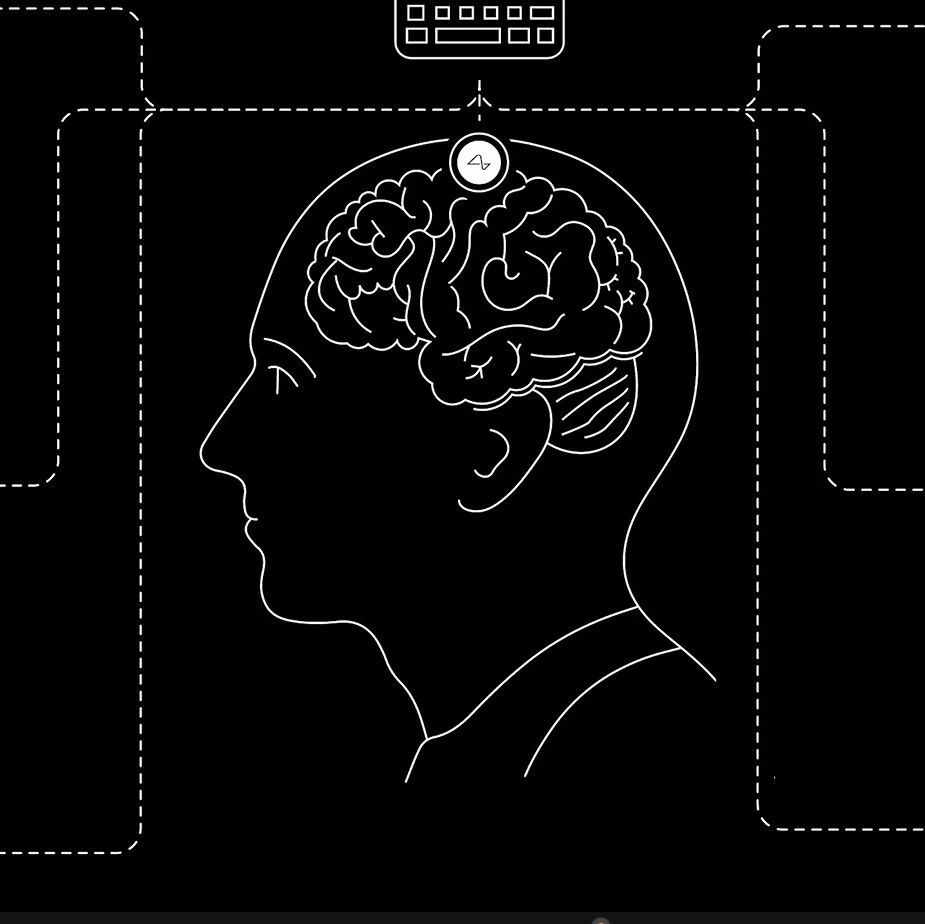
脑机接口医疗服务 四川有了政府指导价
Si Chuan Ri Bao· 2026-01-08 08:14
Core Insights - The introduction of brain-computer interface (BCI) services in Sichuan Province marks a significant step in integrating advanced technology into healthcare, with regulated pricing set to begin on April 30 [1][3] Pricing Structure - The BCI services are categorized into invasive and non-invasive types, with three distinct projects outlined. The maximum price for "invasive BCI implantation" is set at 6,583 yuan per session for top-tier hospitals [2] - The pricing for "invasive BCI removal" varies by hospital tier, with the highest charge being 3,173 yuan per session for top-tier hospitals [2] - The "non-invasive BCI adaptation fee" is priced at 965 yuan per session for top-tier hospitals, reflecting a structured approach to BCI service costs [2] Regulatory Framework - The National Healthcare Security Administration's guidelines established independent billing items for BCI services, facilitating the clinical application of mature BCI technologies [3] - Multiple regions across China, including Hubei, Beijing, Zhejiang, and Jiangsu, have already implemented BCI service pricing, indicating a growing acceptance and integration of this technology in healthcare [3] Applications and Benefits - BCIs facilitate communication between the brain and external devices, aiding individuals with neurological conditions, including memory decline and spinal cord injuries, to regain some functionality [4] - The technology is expanding beyond medical applications into everyday consumer scenarios, showcasing its versatility and potential impact on various sectors [4] Industry Development - The Sichuan Provincial Government aims to establish a leading BCI and human-computer interaction industry by 2030, with plans to support over 100,000 patients annually for neurodegenerative and mental health conditions [5] - The initiative reflects a broader trend of integrating BCI technology into the healthcare system, emphasizing its importance in future medical advancements and rehabilitation [5]
四川明确脑机接口医疗服务价格!置入费最高6583元/次
Mei Ri Jing Ji Xin Wen· 2026-01-08 03:31
Core Viewpoint - The Sichuan Provincial Medical Insurance Bureau has issued a notification to integrate 82 pricing items for neurological medical services, including the pricing for brain-computer interface (BCI) medical services in the province [1] Group 1: Pricing Structure - The 82 pricing items for neurological medical services include both invasive and non-invasive brain-computer interface projects, which consist of three independent items [1] - Invasive brain-computer interface implantation fees for public medical institutions under provincial management are as follows: - Class A hospitals: 6,583 yuan per instance - Class B hospitals (Level 3): 6,035 yuan - Class B hospitals (Level 2): 5,486 yuan - Class B hospitals (Level 1): 4,937 yuan - Below Class B Level 1: 4,389 yuan [1] - Invasive brain-computer interface extraction fees for public medical institutions are as follows: - Class A hospitals: 3,173 yuan per instance - Class B hospitals (Level 3): 2,908 yuan - Class B hospitals (Level 2): 2,644 yuan - Class B hospitals (Level 1): 2,380 yuan - Below Class B Level 1: 2,115 yuan [1] - Non-invasive brain-computer interface adaptation fees for public medical institutions are as follows: - Class A hospitals: 965 yuan per instance - Class B hospitals (Level 3): 884 yuan - Class B hospitals (Level 2): 804 yuan - Class B hospitals (Level 1): 724 yuan - Below Class B Level 1: 643 yuan [1]
脑机接口医疗服务“官方价”出炉,临床应用驶入快车道
2 1 Shi Ji Jing Ji Bao Dao· 2025-08-01 08:49
Core Insights - The establishment of pricing mechanisms for brain-computer interface (BCI) services by the National Healthcare Security Administration (NHSA) is expected to accelerate the clinical application and commercialization of BCI technology in China [1][3][7] - The pricing for invasive and non-invasive BCI procedures has been set, with specific fees established in provinces such as Hubei, Zhejiang, and Jiangsu, indicating a structured approach to integrating BCI into healthcare [4][3] - The rapid development of BCI technology is supported by government policies and the establishment of clinical transformation centers across multiple cities, facilitating the transition from laboratory research to practical application [2][7] Pricing Mechanism - NHSA has introduced specific pricing for BCI services, including "invasive BCI implantation fee," "invasive BCI extraction fee," and "non-invasive BCI adaptation fee," which will provide a clear framework for clinical applications [3][4] - Hubei province has set the invasive BCI implantation fee at 6,552 yuan per instance, the extraction fee at 3,139 yuan, and the adaptation fee at 966 yuan, with additional charges for pediatric cases [3][4] - Zhejiang and Jiangsu provinces have also published similar pricing structures, indicating a coordinated effort to standardize BCI service costs across regions [4][3] Clinical Application and Development - The establishment of clinical transformation centers in cities like Beijing, Wuhan, and Shanghai marks a significant step in the practical application of BCI technology, allowing for clinical trials and real-world data collection [7][8] - The first clinical ward dedicated to BCI technology was opened at Beijing Tiantan Hospital, highlighting the transition of BCI from research to clinical practice [7] - The successful completion of China's first prospective clinical trial for invasive BCI technology signifies a major milestone in the country's BCI development, positioning it as a leader in this field after the United States [7][8] Market Potential - McKinsey forecasts that the global market for BCI medical applications could reach $40 billion by 2030 and $145 billion by 2040, with significant growth expected in areas such as central nervous system disease treatment and emotional assessment [8] - The market for central nervous system disease treatment is projected to be $15 billion by 2030 and $85 billion by 2040, while the emotional assessment market is expected to reach $25 billion by 2030 and $60 billion by 2040 [8] Challenges and Recommendations - Key challenges for BCI technology include data collection and interpretation, biocompatibility of materials, energy consumption, and cost-effectiveness for large-scale deployment [9] - Continuous policy support is essential for BCI development, including the establishment of specialized review systems, key research projects, and timely pricing adjustments within the healthcare framework [9]
创业板医药ETF(159377)涨超1.5%,政策红利与创新驱动或成行业支撑
Mei Ri Jing Ji Xin Wen· 2025-07-01 05:59
Group 1 - The pharmaceutical and biotechnology industry is experiencing rapid development supported by policies, with the innovative drug sector entering a commercialization phase [1] - In 2024, many companies are expected to significantly reduce losses, with high research and development enthusiasm for dual/multi-antibody drugs, ADCs, and gene therapies [1] - The medical device sector is seeing structural differentiation, with significant growth in bidding for medical devices expected in Q1 2025, particularly in medical imaging equipment, which is projected to grow over 85% [1] Group 2 - Policy documents such as "Opinions on Deepening the Reform of Drug and Medical Device Regulation to Promote High-Quality Development of the Pharmaceutical Industry" have been released, optimizing review and approval processes to support innovation [1] - The brain-computer interface and other new technologies are becoming important growth drivers, with national and local policies promoting their standardized development [1] - The traditional Chinese medicine sector is revitalizing through digital transformation, with new business models emerging under the "Traditional Chinese Medicine +" concept, and the potential for health consumption continues to be released [1] Group 3 - The industry as a whole benefits from an aging population, increased health awareness among residents, and policy dividends, although attention should be paid to risks such as centralized procurement price reductions and international competition [1] - The ChiNext Medical ETF tracks the ChiNext Medical Index, which is compiled by China Securities Index Co., Ltd., selecting listed companies in the biopharmaceutical, medical device, and medical service sectors from the ChiNext market to reflect the overall performance of high-growth, innovative enterprises [1]
