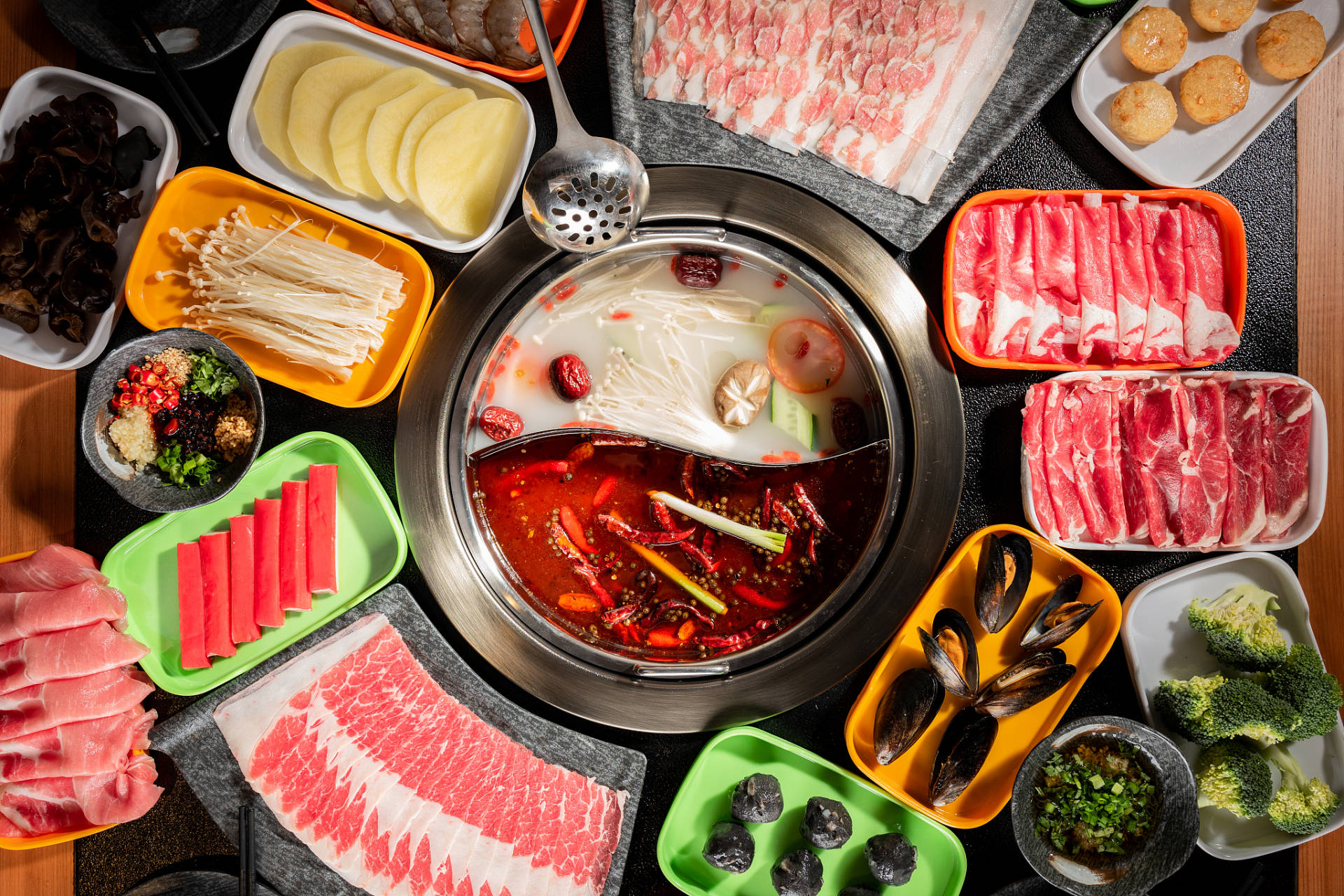
腌制鸡翅

Search documents
消费者不仅需要吃得放心,而且需要吃得明白
第一财经· 2025-09-13 06:28
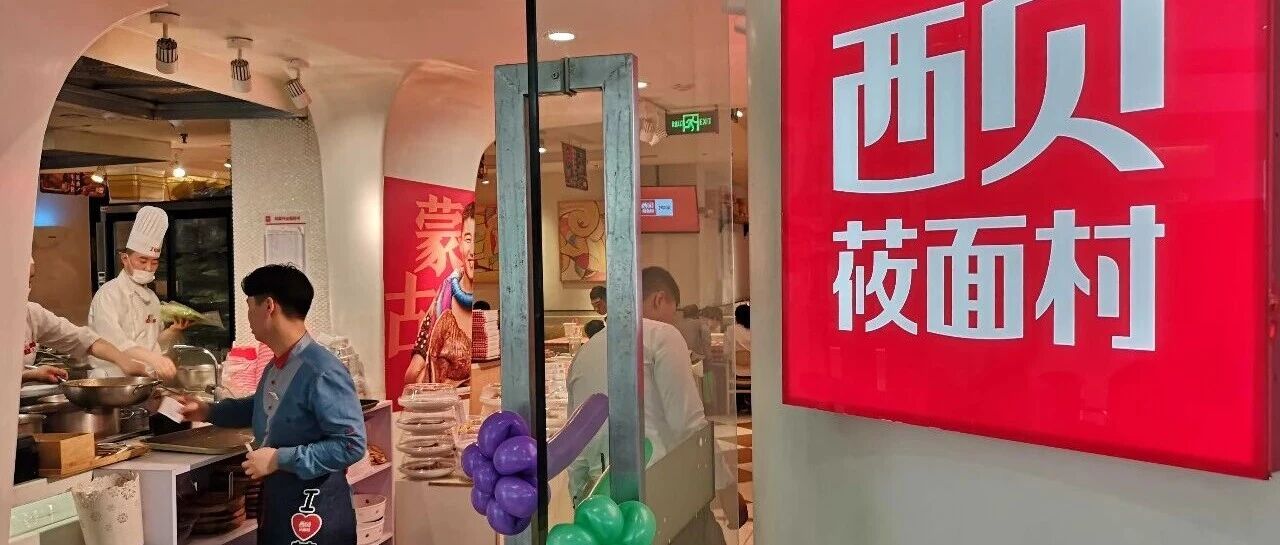
Core Viewpoint - The article discusses the controversy surrounding the use of pre-prepared dishes in restaurants, particularly focusing on the case of the restaurant chain Xibei, which faced criticism for allegedly using pre-prepared ingredients. The discussion highlights the need for clearer regulations and standards regarding pre-prepared food in the Chinese restaurant industry [2][3]. Group 1: Xibei Controversy - Entrepreneur Luo Yonghao accused Xibei of using pre-prepared dishes and called for legislation to ensure restaurants disclose such practices to protect consumer rights [2]. - Xibei's founder, Jia Guolong, denied the allegations, asserting that none of their dishes are pre-prepared and provided detailed production processes for 13 dishes to the public [2]. - Xibei opened its kitchen to media scrutiny, revealing the use of ingredients with long shelf lives, such as organic frozen broccoli with a 24-month shelf life and marinated chicken wings with a 9-month shelf life [2]. Group 2: Consumer Awareness and Industry Standards - The lack of national standards for pre-prepared food in China has led to consumer skepticism regarding the safety and quality of such dishes, especially after incidents involving school cafeterias [3]. - The article emphasizes the importance of consumer awareness regarding the origins and preparation methods of food, suggesting that transparency can empower consumers to make informed choices [3]. - The incident with Xibei is seen as a wake-up call for consumers to demand their right to know about food preparation, potentially leading to the establishment of a standard system for pre-prepared food [3]. Group 3: Industry Response and Future Directions - Other restaurant brands, such as Laoxiangji, have begun to categorize their dishes as freshly made, semi-prepared, or fully pre-prepared, which has received positive feedback from consumers [4]. - The article calls for regulatory bodies to expedite the development of national food safety standards for pre-prepared dishes to ensure consumer safety and quality control [4].

壹快评丨消费者不仅需要吃得放心,而且需要吃得明白
Di Yi Cai Jing· 2025-09-13 05:40
Core Viewpoint - The incident involving the restaurant brand Xibei highlights the importance of consumer awareness regarding the ingredients and preparation methods of dishes served in restaurants [1][2]. Group 1: Incident Overview - Entrepreneur Luo Yonghao accused Xibei of using pre-prepared dishes and called for legislation to require restaurants to disclose whether they use such dishes, ensuring consumer rights [1]. - Xibei's founder, Jia Guolong, responded by stating that none of Xibei's dishes are pre-prepared and released a letter to customers confirming that Luo's accusations were unfounded [1]. - Xibei publicly shared the preparation processes of 13 dishes, revealing the use of ingredients with long shelf lives, such as organic frozen broccoli with a shelf life of 24 months and marinated chicken wings with a shelf life of 9 months [1]. Group 2: Consumer Rights and Industry Standards - The lack of national standards for pre-prepared dishes in China has led to consumer skepticism regarding the safety and quality of such food items, especially after incidents involving school cafeterias [2]. - The Xibei incident has prompted a public awakening regarding consumer rights to know the origins and preparation methods of food, which could lead to the establishment of a standard system for pre-prepared dishes [2]. - Other restaurant brands, like Laoxiangji, have begun to categorize their dishes as freshly made, semi-prepared, or reheated pre-prepared, receiving positive feedback from consumers for promoting transparency [3].
体验即购买:社区火锅烧烤食材店的沉浸式消费升级方法论
Sou Hu Cai Jing· 2025-07-02 09:41
Core Insights - The article highlights the transformation of traditional community ingredient stores into immersive experience centers, emphasizing the importance of sensory engagement in driving consumer purchasing decisions [3][4]. Group 1: Immersive Experience - The concept of "experience-driven purchasing" is introduced, where stores create an interactive environment that enhances consumer trust and satisfaction [3][4]. - A specific community ingredient store, after upgrading to an "experience store," saw a nearly 70% increase in average customer dwell time and a 40% rise in average transaction value [4]. Group 2: Product Transparency - The implementation of visible product sourcing through electronic displays or labels helps establish a trustworthy supply chain from farm to table [5]. - The store features multi-sensory areas, such as tasting stations and live cooking, to create a compelling quality representation of the products [5]. Group 3: Thematic Solutions - The store shifts from merely selling ingredients to offering lifestyle proposals by organizing products into themed collections for various culinary experiences [5]. - The ambiance is enhanced through props and lighting to simulate inviting dining scenarios, which stimulates consumer desire for a better lifestyle [5]. Group 4: Community Engagement - The store fosters community interaction through events like cooking demonstrations and group tasting sessions, which build knowledge and product recommendations among customers [5]. - Initiatives like "neighborhood group tasting plans" and themed social nights encourage customer gatherings, enhancing loyalty and repeat purchases [5].