
自适应学习平台

Search documents
工作时间减半?AI驱动下四大乐业场景与产业蓝海
Xin Lang Cai Jing· 2026-02-11 04:17
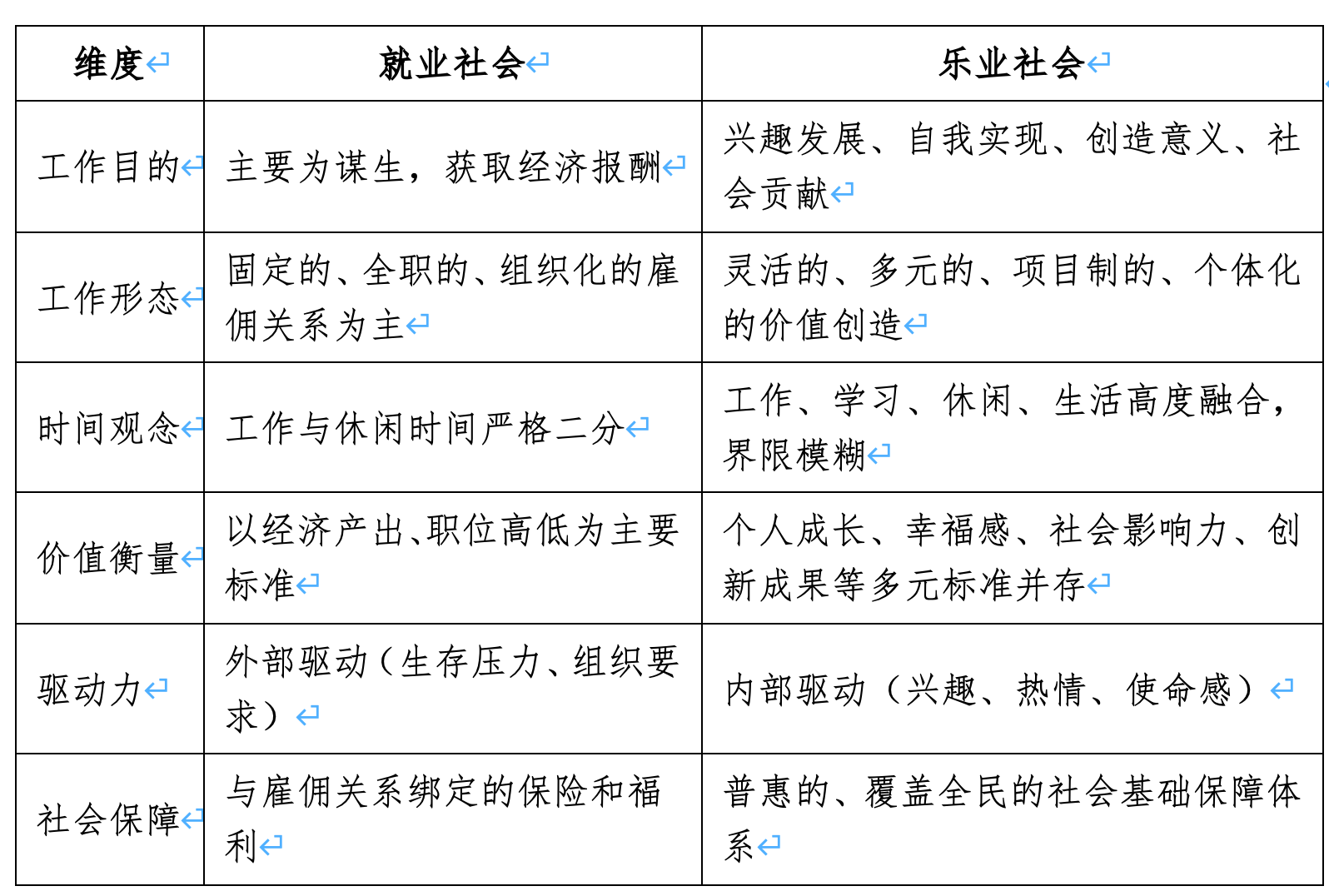
乐业社会的每一个生活场景,都对应着一片广阔的商业蓝海。 我们正身处一场堪比地理大航海的文明跃迁。十五世纪人类驾驶帆船打破大陆隔绝,今天我们驾驶由人工智能驱动的方舟驶向未知海域。新大航海时代,生 产逻辑、个体价值与宏观格局正深刻重构。 2025年12月,盘古智库新大航海时代公益课题组发布报告《从就业走向乐业:AI时代就业认知变革》指出:以人工智能为核心的技术革命推动生产力跃升 的同时深度重塑生产关系,冲击就业格局。机器工作时长将显著增加,人类工作时间将显著减少,传统全职岗位将大幅萎缩。历史规律表明,生产力提升常 快于生产关系调整。若技术红利集中于少数人,而多数劳动者面临失业、收入下降、上升通道收窄,则可能引发深层利益失衡,危及社会长期稳定。技术进 步不应是少数人的盛宴、多数人的挑战,而应成为每位劳动者实现有价值、有意义、有尊严工作的契机。因此,我们提出"从就业到乐业"的破局之道:顺应 人工智能驱动的生产力跃迁,重新定义工作的意义,构建包容性更强、适应性更高的制度体系,从追求人人有岗的生存保障,转向实现人人乐业的发展愿 景,从"生存驱动型"的就业社会,迈向"意义建构型"的乐业社会。 本报告对"乐业社会生活场景解构 ...

学生每一个行为都要被量化?AI助力教育,量化不能越界
Xin Lang Cai Jing· 2026-01-20 08:38
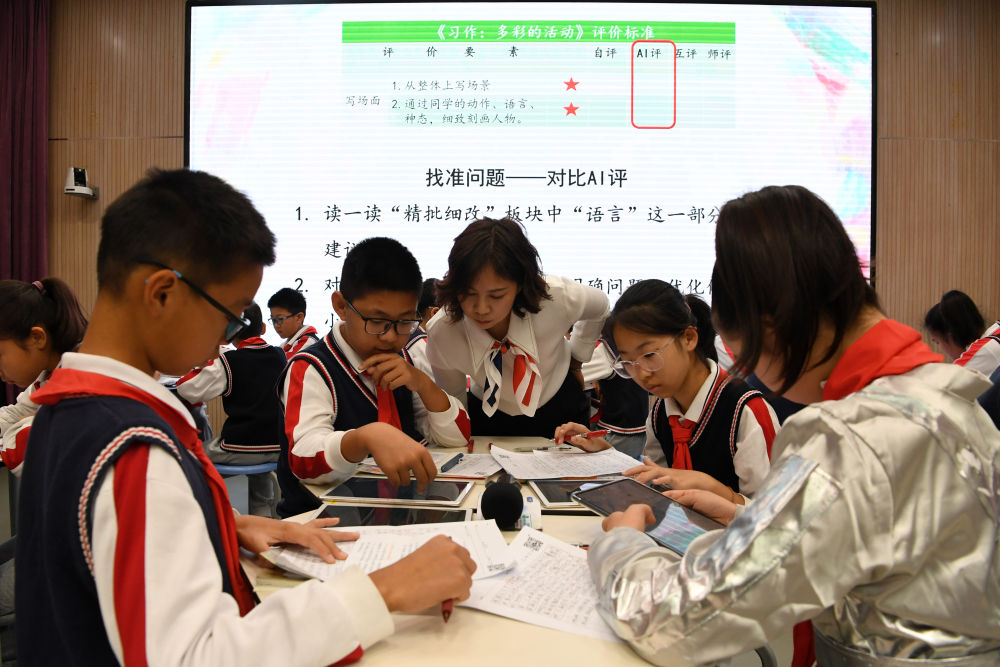
教学互动转向可视化、可量化 在传统的学校教育中,一些评价或决策主要依赖于教育者和教育管理者的经验判断。随着AI进校园,这种依赖经验判断的评价方式逐渐转向 数据驱动。 基于大数据算法的人工智能系统能够对全量数据进行计算与挖掘,能够识别传统方法难以发现的学习规律,为教育决策提供更为全面和客观的 依据。如课堂行为识别系统将师生互动转化为参与度指标,自适应学习平台将知识掌握情况建模为个性化路径,学业预警系统依靠学习过程数 据作出学业风险预测。 这些场景应用不仅让量化变得可操作、可感知,也在实践中重构了教与学的互动模式。 作者:吴砥 近年来,党和国家高度重视利用人工智能助力教育变革,推动教育格局发生新变化,基于大数据算法的人工智能系统正在学校的教、学、管、 评、研等场景中被广泛应用。然而,当教育场域中学生的每一个微笑、师生的每一次互动都被转化为可计算、可分析的数据节点,我们是否正 在以精确量化之名,消解教育活动中那些不可替代的人文意涵与育人本质? 在北京一小学语文公开课上,老师借助AI评改指导学生 马宁 摄 然而,为了方便展示数据采集效能,一些学校和从事技术开发的企业强行将这些维度纳入量化评估体系。师生关系被简化为互动 ...
人机协同塑造数字教育新生态
Xin Lang Cai Jing· 2025-12-19 20:27
Group 1 - The core viewpoint emphasizes the integration of artificial intelligence in education as a key driver for educational modernization and reform, aligning with national strategies for building a strong education system [1][5] - The concept of human-machine collaboration is highlighted as essential for optimizing the educational ecosystem, fostering innovation, and creating a flexible and equitable future education landscape [1][5] Group 2 - The article discusses the importance of establishing a new digital education paradigm through human-machine collaboration, which is seen as a prerequisite for building a new educational ecosystem [2] - It stresses the need for a societal consensus on the value of human-machine collaboration, particularly among educators, students, and parents, to enhance personalized learning and improve educational management [2][4] - The article outlines the necessity of creating a resource-sharing platform that integrates efforts from government, schools, and enterprises to promote collaborative educational research and resource sharing [2][3] Group 3 - The article emphasizes the need for innovative applications of human-machine collaboration to enhance the entire educational process, including teaching, learning, and assessment [3] - It advocates for the development of AI-assisted teaching tools and adaptive learning platforms to support personalized education and improve teaching effectiveness [3][4] - The promotion of industry collaboration to develop proprietary educational AI technologies is also highlighted as a means to enhance global competitiveness in education [3] Group 4 - The article calls for a robust governance framework to address potential risks associated with human-machine collaboration in education, such as data security and algorithm ethics [4] - It suggests the establishment of regulatory policies to clarify responsibilities and protect data privacy within educational contexts [4] - The need for enhancing digital literacy and ethical awareness among educators and students is emphasized to ensure responsible use of technology in education [4] Group 5 - The overall message stresses the importance of human-machine collaboration as a core engine for shaping a new digital education ecosystem, which is crucial for the modernization of education [5] - The principles of being student-centered, technology-enabled, and innovation-driven are highlighted as essential for building a vibrant and equitable educational environment [5]
一年学费 6.5 万美元,这所「无教师」AI 私立学校长什么样?
3 6 Ke· 2025-09-03 03:01
Core Viewpoint - Alpha School proposes an innovative educational model where students spend only two hours a day on academic learning, utilizing adaptive applications and personalized curricula, while the rest of the time is dedicated to life skills such as cycling and financial literacy [1][2]. Group 1: Educational Model - The school charges $65,000 annually and aims to enroll up to 25 K-3 students in its new Virginia campus [1]. - Alpha School operates at the intersection of alternative education and the rapid growth of online learning platforms, promoting personalized teaching that adapts to individual student needs [2]. - The school has already established three campuses across the U.S. and is seen as a case study for integrating more AI learning into education [2]. Group 2: Support and Funding - Co-founder MacKenzie Price has garnered support from tech billionaires and political figures, contributing over $2 million to Republican candidates and political action committees advocating for alternatives to traditional public schooling [3][4]. - Price has met with White House officials to showcase Alpha School, aligning with the Trump administration's push for AI integration in K-12 education [3]. Group 3: Expansion and Challenges - Alpha School plans to expand its model to six states by 2024, but has faced challenges in gaining approval, with only Arizona currently allowing it [4][12]. - Critics question the applicability of Alpha's model to a broader student population, noting that it often attracts families with higher economic means and educational backgrounds [3][4]. Group 4: Learning Environment - Students at Alpha School use platforms like IXL for personalized learning, with the school claiming that students learn twice as much as those in traditional classrooms [11]. - The school employs AI to monitor student engagement and focus, ensuring that students are actively participating in their learning [11]. Group 5: Parental Interest and Community Response - Parents are drawn to Alpha School's flexible model, which allows for additional enriching experiences outside of traditional academic settings [15][16]. - The school's "shadow day" events have attracted interest from families, with initial responses indicating a strong desire to enroll their children [15][16].