
数字教育

Search documents
香港公布:2025年经济增长3.5%!楼市回暖,住宅房价租金齐涨;股市大涨,日均成交额增加九成!预计2026年经济增长2.5%至3.5%
Mei Ri Jing Ji Xin Wen· 2026-02-25 06:46
Economic Outlook - The Hong Kong economy is expected to grow by 3.5% in 2025, driven by strong external trade, recovery in private consumption, and accelerated fixed investment [1] - Inflation remains mild, with a basic inflation rate of 1.1% for 2025, excluding one-off government measures [1] Stock Market Performance - The Hang Seng Index rose by 28% in 2025, with average daily trading volume increasing by 90% to nearly HKD 250 billion, setting a historical high [3] - New stock listings raised over HKD 280 billion, more than doubling the amount from 2024, making Hong Kong the top global market for IPOs [3] Real Estate Market - Residential property transactions surged to nearly 63,000, the highest in four years, with prices increasing by 3.3% and rents by 4.3% [3] - Non-residential property transactions rebounded, with a narrowing decline in rents and prices [3] Future Economic Projections - The economic growth forecast for 2026 is between 2.5% and 3.5% [3] - Inflation is expected to rise slightly in 2026, with a basic inflation rate of 1.7% and an overall inflation rate of 1.8% [4] Aerospace Industry Initiatives - The Hong Kong government is reviewing listing regulations to attract more aerospace companies to list in Hong Kong [5] - The government aims to facilitate the integration of the mainland aerospace industry with global markets, providing various professional services [6] Semiconductor and AI Development - The Hong Kong Microelectronics Research Institute will begin operations for third-generation semiconductor chip technology, promoting local chip development [7] - The "New Industrial Acceleration Program" has supported projects with over HKD 25 billion in total investment, focusing on strategic industries [8] Education and Training Initiatives - HKD 500 million will be allocated for AI application learning courses and competitions to enhance public understanding and skills in AI [9] - New STEAM-related degree programs will be introduced in universities, focusing on AI and data science [9] Real Estate Investment Trusts (REITs) - The budget emphasizes the development of the REITs market, with plans for tax and regulatory revisions to facilitate privatization and restructuring [11] - The government will seek to include REITs in the mutual market access mechanism [11] Land Supply and Housing - The government will not sell general commercial land in the coming year, considering market vacancy rates and future supply [12] - Plans are in place to prepare land for approximately 98,000 private housing units, with potential land supply for about 22,000 units in the upcoming year [13]


香港举办首届人工智能教育展,22项智能方案将赋能课堂
Nan Fang Du Shi Bao· 2026-02-14 02:16
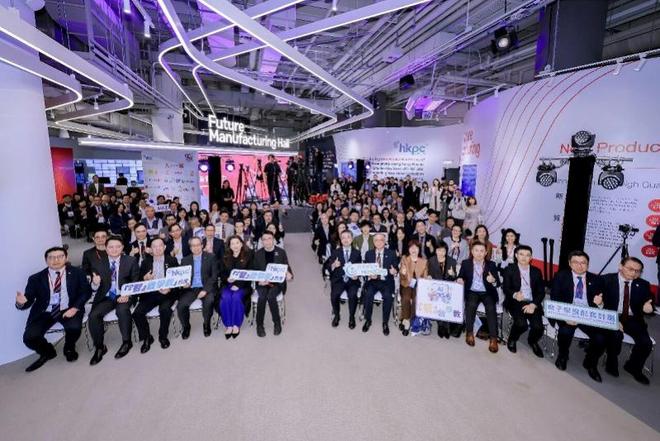
Core Insights - The event aims to align with the national "14th Five-Year Plan" by promoting the integration of "Artificial Intelligence+" in education, enhancing digital education for high-quality development [1] - The first "AI Education Seminar Series and Application Exhibition" was held, attracting over 5,000 representatives from various sectors, with nearly 3,000 educators from over 250 primary and secondary schools participating [1][3] Group 1: Event Overview - The exhibition featured over 60 booths showcasing various educational technology solutions and included more than 20 lectures, interactive workshops, and demonstration classes [4] - Keynote speeches were delivered by officials including the Deputy Secretary for Education of the Hong Kong SAR Government and leaders from the Hong Kong Productivity Council and Hong Kong Education City [4] Group 2: AI Integration in Education - The event highlighted 22 projects supported by the Quality Education Fund's eLearning Programme, with 9 projects already launched, utilizing AI, big data, virtual reality, and augmented reality [6] - Notable projects include the "Metaverse English Learning World" developed by the Hong Kong Christian Youth Association and the "Lambda Math Secondary Mathematics Learning Platform" from the Chinese University of Hong Kong, both designed to enhance student engagement and learning outcomes [6] Group 3: Support for Educators - The Hong Kong Productivity Council is committed to supporting the government's digital education initiatives, including the establishment of the EdTech Hub to assist schools in integrating AI tools and training [4][8] - A series of AI-focused training courses have been designed for local primary and secondary schools, including special education needs (SEN) schools, to promote inclusive education development [8]
推动人工智能赋能教育创新发展
Xin Hua Ri Bao· 2026-02-09 23:18
Core Viewpoint - The article emphasizes the importance of implementing the "Artificial Intelligence +" initiative to empower various industries and enhance education through the integration of artificial intelligence [1] Group 1: Impact of "Artificial Intelligence +" - Artificial intelligence (AI) merges technical and social attributes, facilitating the construction of an intelligent, networked, and personalized education system [2] - The shift in educational philosophy focuses on developing students' innovative capabilities, critical thinking, and collaborative skills rather than merely acquiring knowledge [2] - AI encourages the establishment of new interdisciplinary programs in higher education, optimizing talent cultivation plans to enhance digital literacy among teachers and students [2] Group 2: Enhancing AI Literacy - Improving students' AI literacy is crucial for transforming educational paradigms, requiring collaboration across disciplines to create a comprehensive learning environment [3] - Practical awareness is emphasized through initiatives like joint laboratories and industry-academia partnerships, allowing students to tackle real-world problems while enhancing their technical skills [3] - A diverse curriculum is proposed to cater to different student backgrounds, integrating AI theory and applications across various fields, including social sciences and humanities [3] Group 3: Empowering Governance in Higher Education - The development of AI creates new educational ecosystems and innovative governance models, while maintaining the core mission of education [4] - AI should be integrated into educational practices with a focus on ethical considerations, ensuring that technology serves the fundamental task of moral education [4] - Establishing a collaborative framework for technology, ethics, and law is essential to guide responsible AI use in educational settings [4] Group 4: Multi-dimensional Evaluation Systems - The integration of AI in education necessitates a shift from traditional evaluation methods to a multi-dimensional assessment of students' comprehensive qualities [5] - A robust textbook system is needed to cover various educational levels and disciplines, promoting the understanding of AI concepts and methods [5] - Encouraging collaboration among educational institutions and enhancing teacher evaluation metrics are vital for fostering a supportive environment for AI education [5][6]
智改课堂 育见新篇
Ren Min Ri Bao Hai Wai Ban· 2026-01-21 22:45
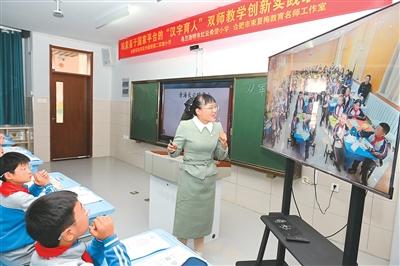
Core Insights - The articles highlight the advancements in digital education in China, showcasing the integration of technology in teaching and learning processes, particularly through platforms that facilitate resource sharing and personalized education [4][5][6]. Group 1: Digital Education Development - The "14th Five-Year Plan" period has seen China's digital education evolve from isolated applications to a comprehensive "smart education" phase, emphasizing system integration and deepening [5]. - The National Smart Education Public Service Platform has aggregated over 130,000 quality resources for primary and secondary education, 12,500 vocational education courses, and 145,000 higher education courses, serving over 178 million users across more than 200 countries [6][7]. - China's global ranking in digital education has improved from 24th in 2023 to 6th in 2025, indicating a significant leap in its digital education capabilities [6]. Group 2: Technological Integration in Education - The introduction of AI-driven systems, such as the "AI Smart Sports System," allows for precise tracking of student performance in physical education, enhancing the scientific approach to sports teaching [4]. - The platform has expanded to include early childhood and graduate education, achieving comprehensive coverage of educational services [7]. - The integration of AI in classrooms is transforming teaching methodologies, with institutions like Fudan University and Tsinghua University implementing AI across their curricula [13]. Group 3: Personalized Learning and Resource Sharing - The platform offers personalized services to cater to diverse learning needs, including resources for elderly learners and job skills training for graduates [8][9]. - The Guangdong province has established a lifelong education service network, integrating over 8,000 online courses and creating 1.53 million lifelong learning accounts [8]. - The use of data-driven decision-making in educational governance is becoming more prevalent, allowing for tailored educational experiences based on individual student needs [10][11]. Group 4: Impact on Student Outcomes - Schools utilizing digital tools have reported a 33% increase in academic performance and a 24% improvement in physical health metrics among students [12][13]. - The shift towards AI-enhanced education is expected to continue, with a focus on creating a new educational framework that meets the demands of the digital age [13].
山东省国家中小学智慧教育平台全面深化应用交流活动在青州举办
Qi Lu Wan Bao· 2026-01-10 07:52
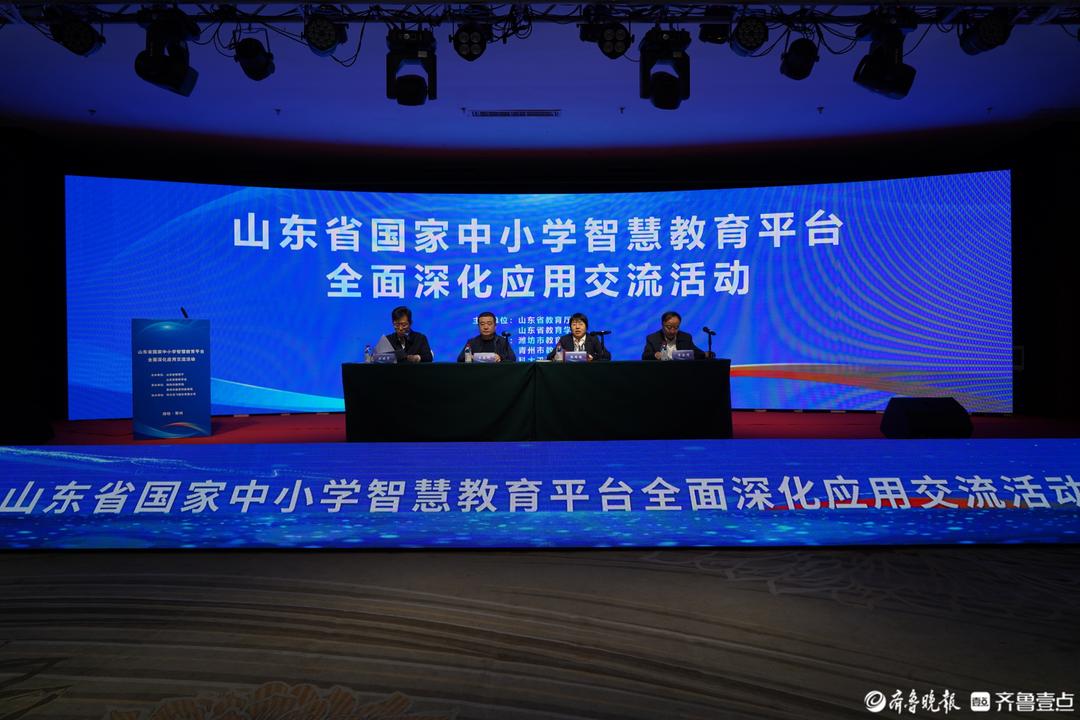
Core Insights - The event held in Qingzhou, Shandong Province, focused on the deep application of the National Primary and Secondary School Smart Education Platform, promoting digital education and sharing practical experiences [1][2][13] Group 1: Event Overview - The two-day event featured a combination of on-site observation and centralized exchanges, aimed at sharing practical experiences and building a platform for mutual learning in smart education [2] - Key figures from the Shandong Provincial Education Department and local governments attended, emphasizing the importance of digital education in driving high-quality educational development [1][2] Group 2: Practical Applications - Participants experienced the innovative applications of the National Smart Education Platform at four observation points, showcasing how the platform enhances educational practices in county-level education [4] - Qingzhou Nanhua School utilized the platform to create a "1+3+N" curriculum framework, integrating cross-disciplinary learning and project-based research [4] - Qingzhou Hongyuan School developed an AI+ educational system, facilitating cross-school exploration on real-world issues, demonstrating a new classroom model centered on student learning and thinking [6] Group 3: Teaching Innovations - Qingzhou Middle School implemented a "Four Preparations and Three Research" collective lesson preparation model, transforming teaching and research structures [9] - The school used the platform to enhance chemistry lessons, creating a complete teaching chain that includes pre-class preparation, in-class exploration, and post-class consolidation [9] - The Qingzhou Artificial Intelligence Learning Experience Center showcased a dual-track educational ecosystem, combining online authoritative courses with immersive offline practices [11] Group 4: Future Directions - The event reinforced a consensus on the development of digital education in Shandong, promoting replicable and scalable application experiences [13] - The province plans to continue deepening the application of the National Smart Education Platform, fostering resource sharing and collaborative research to support balanced educational development [13]
2025全球高教十大趋势:你的留学、求职与未来,正被重塑!
Sou Hu Cai Jing· 2026-01-10 07:16
Core Insights - The global higher education landscape is undergoing a profound transformation, moving beyond the traditional model of "study-graduate-job" to a more complex and integrated approach by 2025 [1] Group 1: AI Integration in Education - AI's role in education has shifted from discussion to implementation, with countries developing national strategies to integrate AI into teaching [3] - Future classrooms will feature "human-machine collaboration," where AI personalizes learning experiences based on individual progress [3] Group 2: Digital Education Frameworks - The EU has introduced a higher education interoperability framework to standardize technology and data across member states, enhancing resource sharing [5] - This framework allows for "cross-border virtual learning," enabling students to take courses from different countries with credit transferability [5] Group 3: Flexible Academic Certification - The Lisbon Convention has been revised to include micro-credentials and online learning outcomes, enhancing the recognition of diverse educational experiences [7] - Students can now combine traditional degrees with recognized micro-credentials, improving their employability [7] Group 4: Sustainability in Higher Education - Sustainability has become a core agenda for universities, with initiatives promoting environmentally friendly practices in campus management and curriculum [10] - Attending a sustainable university provides students with relevant knowledge and experiences in green economy and ESG-related fields [10] Group 5: Inclusivity in Education - There is a notable increase in access to higher education for refugees and marginalized groups, reflecting the universal value of education [12] - This inclusivity fosters a diverse campus culture, enriching the learning experience through varied perspectives [12] Group 6: Policy Considerations for Study Abroad - Students must pay attention to changing immigration policies in different regions, as some areas tighten regulations while others become more welcoming [14] - Long-term visa and work policy stability should be key factors in study abroad planning [14] Group 7: Mental Health Support - There is a growing institutional focus on student mental health, with digital services contributing to reduced anxiety and depression rates among students [16] - Prospective students should consider the mental health support systems of universities when making choices [16] Group 8: Interdisciplinary Learning - Over 40% of OECD countries are encouraging universities to implement interdisciplinary programs, highlighting the demand for multifaceted skill sets [19] - Students are advised to cultivate interdisciplinary thinking by taking courses outside their primary field of study [19] Group 9: Evolving Role of Educators - The role of university faculty is shifting from knowledge transmitters to facilitators of learning and practical connections [21] - Students will benefit from professors with industry experience who can provide real-world insights [21] Group 10: Importance of Humanities - In the AI era, skills developed through humanities education, such as critical thinking and ethical judgment, are becoming essential [23] - STEM students are encouraged to engage with humanities to enhance their understanding of human and societal dynamics [23] Group 11: Future Directions in Higher Education - The future of global higher education is directed towards four core themes: intelligence, connectivity, humanity, and sustainability [25] - Students are urged to leverage these trends to create personalized, interdisciplinary, and socially responsible educational paths [25]

莫让算法替代成长
Ren Min Ri Bao· 2026-01-08 12:52
Group 1 - The core focus of recent discussions highlights the transformative impact of artificial intelligence (AI) on various aspects of life, particularly in education and personal development [1][2] - AI is recognized for its efficiency in processing known information, yet human insight remains irreplaceable in understanding and exploring the unknown [1] - The evolution of AI is based on learning from vast common patterns, which raises concerns about the standardization of education and the potential for AI to replace unique human growth [2] Group 2 - The "Education Strong Nation Construction Plan (2024-2035)" emphasizes the need for digital empowerment in education, advocating for personalized and innovative teaching methods [2] - Current AI applications in education are predominantly focused on areas directly related to improving scores, such as intelligent grading and personalized question banks [2] - There are positive examples of AI being used creatively in education, such as customized test papers for students in rural areas and integrating traditional crafts with AI technology in urban classrooms [2] Group 3 - The rapid advancement of technology necessitates a renewed focus on the foundational mission of education, which is to nurture and cultivate the human spirit [3] - Concerns are raised about the potential biases and limitations of AI, emphasizing the importance of lifelong education for both humans and AI systems [3] - The essence of AI should not be to replace humans but to elevate them, fostering a generation that thrives in a digital world while maintaining creativity and emotional richness [3]
新城区教育局人工智能与数字化工作的创新探索
Zhong Guo Xin Wen Wang· 2026-01-07 03:31
Core Viewpoint - The New District Education Bureau is implementing a comprehensive digital education strategy, focusing on the integration of artificial intelligence in education, achieving significant results in infrastructure upgrades, teaching innovations, and enhancing teacher and student competencies, thereby establishing a unique model for digital education development in the region [1][10]. Group 1: Policy and Strategic Framework - The strategic framework includes four key areas: infrastructure upgrades, innovative teaching integration, smart campus creation, and enhancement of teacher and student competencies, with 12 specific tasks outlined in the 2025 work plan [1]. - The establishment of a dedicated AI education task force for primary and secondary schools aims to institutionalize and systematize AI education from 2025 to 2027 [1]. Group 2: Infrastructure and Resource Sharing - Significant investments have been made to enhance the educational network, achieving 100% coverage of smart teaching equipment in all primary and secondary schools and vocational schools [3]. - The "Shaanxi Education Empowerment Platform" has been actively utilized, facilitating over 120 inter-school support activities and 86 public demonstration classes, promoting equitable distribution of quality educational resources [3][4]. Group 3: Teaching Innovation and AI Integration - A tiered curriculum for AI education has been developed, ensuring all students receive the required hours of AI education, with a focus on experiential learning in lower grades and project-based learning in higher grades [4]. - Innovative teaching methods, including AI-assisted explanations and personalized learning approaches, have led to a 40% increase in classroom interaction efficiency [4]. Group 4: Teacher and Student Development - Over 1,200 teachers have participated in specialized training on AI and digital tools, with a 95% application rate of intelligent teaching tools among educators [6]. - A total of 1.5 million students engaged in AI course projects, significantly enhancing their innovative thinking and practical skills [8]. Group 5: Smart Campus Development - The establishment of 16 district-level smart campuses has been achieved, with ongoing support for schools to apply for higher-level smart campus designations [9]. - Eight AI innovation laboratories have been set up, facilitating over 300 AI club activities and 80 competitions, fostering student interest and capabilities in AI [9]. Group 6: Future Outlook - The New District Education Bureau aims to continue deepening the integration of AI in education, enhancing the AI education ecosystem, and contributing to the modernization of education in the region [10].
“十四五”期间我国数字教育实现从“量的扩增”到“质的飞跃”
Xin Hua Wang· 2026-01-03 22:30
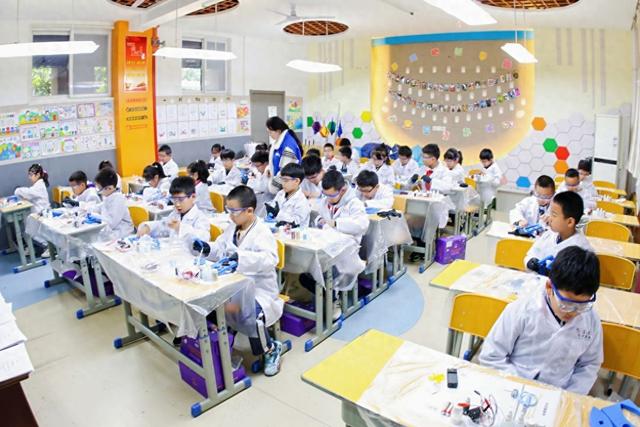
Core Viewpoint - The Ministry of Education of China has reported significant advancements in educational digitalization during the "14th Five-Year Plan" period, highlighting a transition from quantity to quality in digital education, which has become a crucial support for building a strong education system in China. Group 1: Educational Resource Development - A world-class educational resource center has been established, featuring over 130,000 quality resources for primary and secondary education, 12,500 vocational education courses, and 145,000 higher education courses, with a total user base exceeding 178 million and daily visits reaching 52 million [1] - The platform has integrated over 60 application tools to support various educational scenarios, enabling advanced teaching methods such as flipped classrooms and project-based learning, significantly enhancing overall teaching quality [1] - More than 64 million teachers have utilized the platform for lesson preparation, and over 90 million teachers have been trained through it, greatly improving their digital literacy and professional capabilities [1] Group 2: Lifelong Learning Center - A lifelong learning center has been established, gathering over 8,000 courses from 38 institutions, specifically targeting employment skills and continuing education for graduates and social learners [2] - The "Double Thousand" plan has been launched, offering over 2,600 micro-specialties and 1,400 vocational training courses to promote high-quality employment [2] - Initiatives for elderly learners have been introduced, including resources for cultural literacy and personal interests, enhancing the learning experience for older adults [2] Group 3: Public Service Center - A public service center has been created, consolidating 51 government services across eight categories, serving a total of 140 million people [3] - The platform has improved efficiency by integrating with 32 provincial government service platforms, facilitating services like student status inquiries and certificate verifications [3] - Pilot programs in regions like Xining have achieved nearly 50% of enrollment applications with "zero materials," significantly reducing processing time and easing the burden on parents [4] Group 4: Data Center and Governance - A national education big data center has been established, connecting with 32 provincial education departments and over 1,000 universities, enhancing data sharing and governance capabilities [4] - The integration of data has led to the creation of an "education digital map," allowing for scientific analysis and forecasting of school-age populations and talent supply [4] Group 5: International Influence - The first "China Smart Education White Paper" has been published, enhancing China's international influence in digital education [5] - The global version of the China Smart Education platform offers nearly 900 multilingual courses, promoting cultural exchange and sharing quality educational resources [5] - China has become a leading nation in the UNICEF "Public Digital Learning Portal Project," and the national platform has received the highest award for educational informationization from the UN [5]
国家智慧教育平台升级“上新”
Zhong Guo Jing Ji Wang· 2025-12-30 13:14
Core Insights - The National Smart Education Platform has been upgraded to include new sections for preschool and graduate education, achieving comprehensive service coverage for all educational levels [1] - The launch of the National Education Big Data Center marks a new phase in the management and sharing of educational data resources, enabling real-time monitoring of key indicators such as resource allocation and teaching quality [1] - The intelligent middle platform signifies a critical leap in the systematic empowerment of the national platform's intelligent construction, providing a comprehensive support system for educational applications [2] Group 1 - The National Smart Education Platform has added new modules for preschool and graduate education, enhancing its resource and service system [1] - The National Education Big Data Center aims to break down data silos and facilitate cross-departmental and cross-regional data sharing, transitioning educational governance from experience-driven to data-driven [1] - The big data center allows for in-depth analysis of student learning processes and needs, supporting differentiated teaching and personalized guidance for educators [1] Group 2 - The intelligent middle platform integrates standardized interfaces and modular packaging, creating a cohesive and efficient intelligent support system for education [2] - This platform enables users to quickly develop intelligent applications through low-code methods, categorized by application scenarios [2] - The establishment of the intelligent middle platform is expected to foster an innovative educational environment, transforming learning and teaching methods [2]