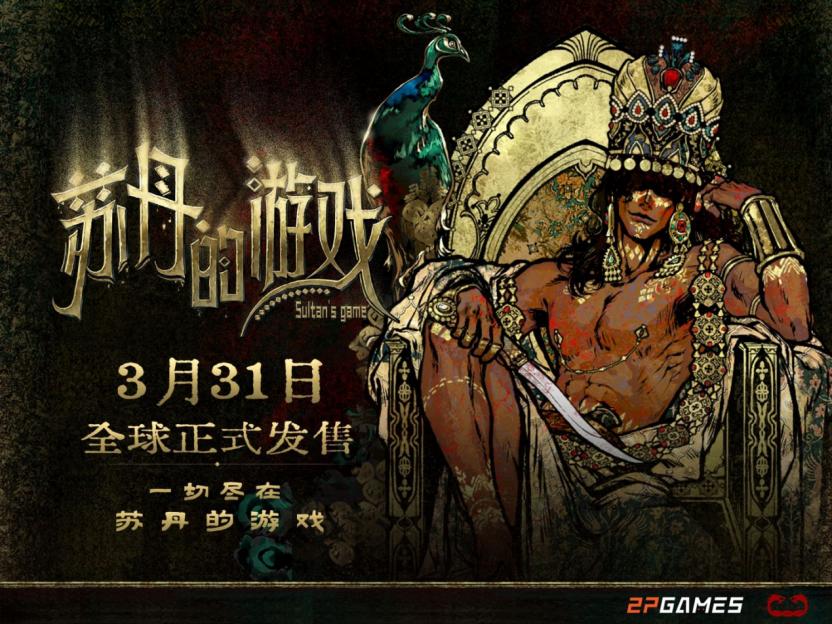
苏丹的游戏

Search documents
《苏丹的游戏》,好玩就足够了吗?
3 6 Ke· 2025-06-19 13:01
Core Insights - "The Game of Sudan" has emerged as a highlight in the domestic single-player game market this year, achieving significant commercial success and widespread discussion within the gaming industry [1][2] Commercial Success - The game has generated sales of $12.4 million (approximately 89.21 million RMB) and sold 660,000 copies, which is exceptional for an independent game, where 20,000 copies sold is considered a good performance [1] - The game has gained substantial traction on content platforms like Xiaohongshu and Bilibili, with nearly 100,000 related posts on Xiaohongshu and significant engagement on Douyin [1] Game Quality - The game's success is attributed to its high quality, particularly in gameplay, story, and artistic style, with early testing phases showing strong performance [2][3] - Players appreciate the game's rich narrative and artistic style, which incorporates Middle Eastern Islamic cultural elements, making it stand out in a market dominated by other styles [3] Market Trends - The proportion of Chinese players on Steam is increasing, with simplified Chinese users surpassing 50% for the first time in February [4] - The maturity of the gaming market in China is leading to more players who respect copyrights and are willing to pay for high-quality content, further driving interest in international platforms like Steam [5] Content Platform Influence - Platforms like Xiaohongshu and Douyin are actively promoting game-related content, contributing to the rising visibility and popularity of games like "The Game of Sudan" [6] Independent Game Landscape - The number of independent game developers and titles is increasing, with more successful projects emerging, indicating a positive trend for the independent game sector [7][8] - Despite the growth in independent games, many developers still struggle to achieve profitability, as the market remains challenging [9] Development Challenges - The development team behind "The Game of Sudan" faced significant pressure, producing over 1.4 million words of game text in 14 months, highlighting the intense effort required to create a successful independent game [10]
为什么他们会给《苏丹的游戏》打差评?
3 6 Ke· 2025-05-09 12:05
Core Insights - The article discusses the mixed reception of the game "Sudan's Game," highlighting its commercial success with 450,000 copies sold and a revenue of 34 million yuan, while also addressing the decline of negative discourse surrounding it [2] - The game has received 93% positive reviews on Steam, contrasting with earlier criticisms related to its political correctness and perceived biases [4][5] - The article features interviews with two players, "Qiqi" and "Xiaolu," who provide differing perspectives on the game's content and its implications for gender politics [18][20] Group 1: Sales and Reception - "Sudan's Game" topped the sales chart with 450,000 copies sold and generated 34 million yuan in revenue [2] - The game has a high approval rating on Steam, with 93% of 13,669 reviews being positive [4] - Initial controversies regarding the game's content have faded, with fewer players engaging in negative discussions [4][5] Group 2: Player Perspectives - Qiqi, a high school student, expresses discomfort with the game's portrayal of male homosexual elements, linking it to personal experiences of humiliation [8][10][16] - Xiaolu, a gender studies student, critiques the game for perpetuating male-centric narratives and "insertion worship," arguing that it reflects broader societal issues of gender inequality [20][22] - Both players' critiques highlight the complexities of identity politics and the impact of game narratives on personal experiences [24][29] Group 3: Cultural Commentary - The article suggests that the discussions surrounding "Sudan's Game" reflect larger cultural tensions and the challenges of navigating diverse perspectives in contemporary society [26][30] - It emphasizes the importance of understanding the emotional underpinnings of criticism, advocating for a deeper exploration of the reasons behind players' reactions [29][30] - The game serves as a mirror to societal conflicts, illustrating the ongoing struggles related to gender and identity in the gaming community [30]

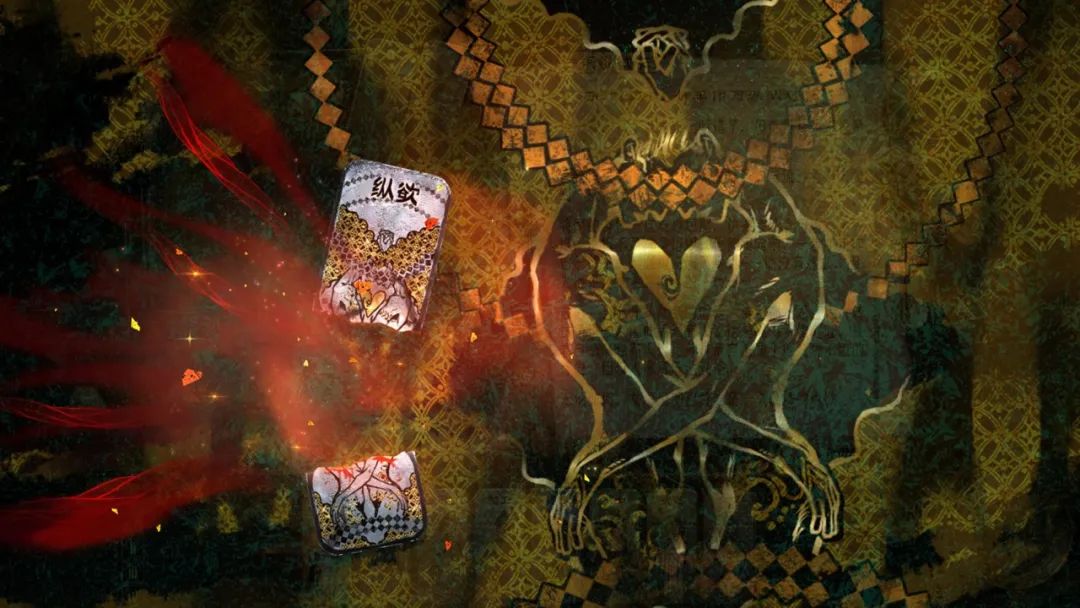
《苏丹的游戏》,21世纪的「浮士德模拟器」 | 玩点好的
3 6 Ke· 2025-04-24 08:40
Core Insights - The article discusses the launch and reception of the game "Sultan's Game," highlighting its controversial themes and gameplay mechanics [3][5][10]. Sales and Reception - "Sultan's Game" was officially launched on Steam on March 30, 2025, achieving over 250,000 sales in its first week and generating approximately $6.7 million in revenue [3][5]. - The game has received a high approval rating of 91% from players, indicating strong positive reception despite its controversial content [3][5]. Themes and Controversies - The game explores themes of indulgence, desire, and moral ambiguity, drawing parallels to the story of Faust, where characters grapple with their desires and the consequences of their actions [1][10]. - Controversies surrounding the game include accusations of insensitivity towards LGBTQ+ themes, which have sparked significant discussion in the gaming community [5][10]. Gameplay Mechanics - Players engage with a card-based system where they must complete tasks related to four categories: indulgence, desire, killing, and conquest, within a seven-day cycle [15][17]. - The game features a total of 28 unique cards, each with varying levels of difficulty and consequences, which players must manage strategically [15][17]. Design and User Experience - While the game offers innovative mechanics, it has been criticized for its cluttered interface and the complexity of its card system, which can overwhelm new players [19][24]. - The introduction of a feature called "I Think" aims to assist players in navigating the game but has been deemed unnecessary and poorly integrated [22][24]. Cultural Context - The success of "Sultan's Game" reflects broader societal trends towards exploring darker themes in entertainment, resonating with contemporary audiences seeking escapism from moral constraints [25][28]. - The narrative structure and gameplay mechanics echo classic tales like "One Thousand and One Nights," emphasizing storytelling as a core element of the gaming experience [13][15].