英雄联盟:双城之战

Search documents
下个英雄联盟级别IP,可能诞生于中国
3 6 Ke· 2025-11-25 06:26
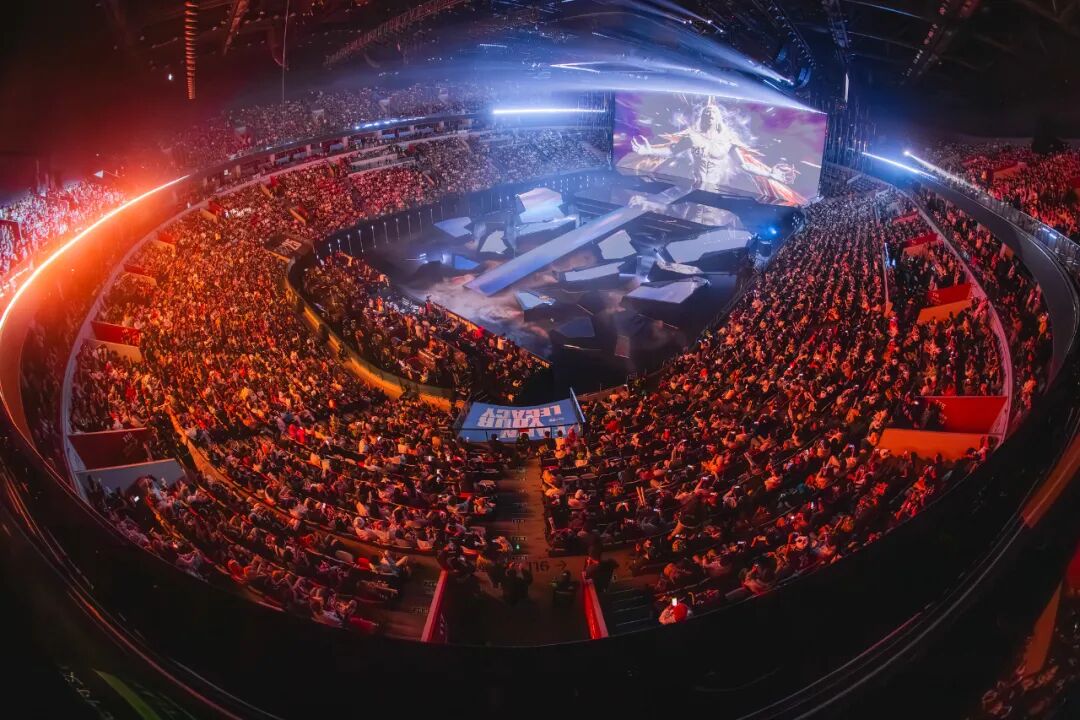
Core Insights - Dylan Jadeja's journey with Riot Games began with a casual gaming session and has evolved into a significant leadership role as CEO, emphasizing the company's commitment to serving millions of players worldwide [1][5][29] - The 2025 League of Legends World Championship marked a major event in Chengdu, China, showcasing the game's global appeal and the excitement surrounding esports [2][4][10] Company Vision and Philosophy - Riot Games aims to honor players by creating a dedicated esports ecosystem rather than outsourcing events for quick profits, reflecting a deep respect for player engagement and experience [6][7] - The company’s culture is rooted in a "player-first" philosophy, where decisions are made based on what would make players happy and proud [16][19] Player Engagement and Community - The global player base for League of Legends has surpassed 130 million monthly active users, with the 2025 World Championship attracting over a million viewers, highlighting the game's massive reach and community involvement [8][10] - Riot Games has successfully integrated various cultural elements, such as music and animation, into its offerings, creating memorable experiences for players [17][19] Future Aspirations - Dylan Jadeja envisions a future where gaming experiences become more dynamic and interconnected with real-world events, aiming for Riot Games to play a pivotal role in this evolution [23][27] - The company is focused on building its development capabilities in China, recognizing the region's talent and potential for innovative game design [26][27] Commitment to Players - Riot Games is committed to maintaining a respectful relationship with its player community, promising to invest in esports and IP development despite the challenges [27][29] - The company emphasizes that its core mission will remain unchanged, prioritizing player satisfaction and engagement above all else [20][29]

游戏IP正在成为影视行业的下一座“超级金矿”
3 6 Ke· 2025-11-10 09:10
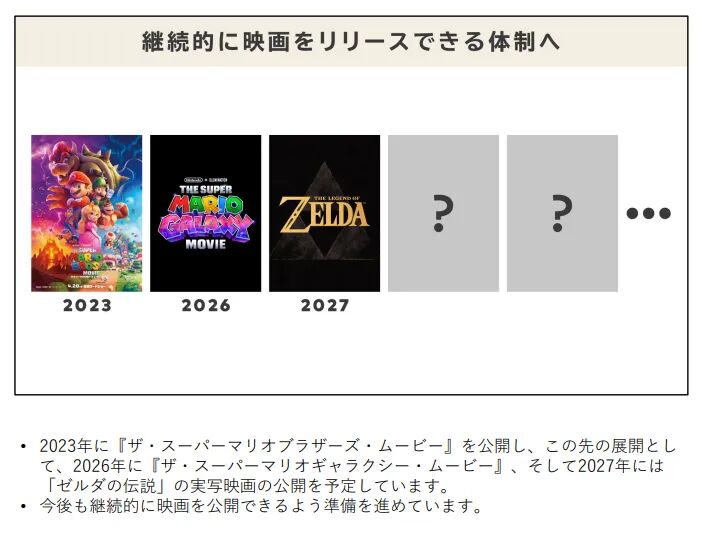
Core Insights - Nintendo is focusing on film adaptations of its IPs as a key strategic direction for the future, with multiple projects in various stages of production set to follow the release of the live-action "The Legend of Zelda" movie in 2027 [1][3] - Unlike most game companies that prefer licensing agreements, Nintendo plans to be deeply involved in the production and investment of these films, believing that creator involvement is crucial for ensuring quality adaptations [3] - The success of "The Super Mario Bros. Movie," which grossed over $1.3 billion globally, has reinforced Nintendo's commitment to this strategy [3] Industry Trends - The trend of video game adaptations is moving towards mainstream acceptance, with a complete project development and global distribution chain emerging [5] - Successful adaptations are no longer seen as isolated incidents but as part of a mature industry chain involving leading companies, IPs, and teams [12] - The collaboration between Netflix and Riot Games on "Arcane" exemplifies a shift in narrative focus from gameplay to universal themes, marking a new stage in the artistic expression of game adaptations [8] Market Developments - In China, similar trends are emerging, with the announcement of an animated film based on "Honor of Kings," aiming for a broader audience beyond just gamers [9][12] - The film is positioned as a "national-level narrative experiment," indicating that Chinese game companies are also entering the global IP film adaptation strategy [12] Cultural Shifts - The generational shift in audience demographics is changing the core narrative sources of global cultural content, with video games becoming significant cultural symbols for those who grew up with them [13] - Traditional narrative frameworks are facing growth limitations, leading to a faster evolution of the film industry's narrative systems, with game IPs offering high adaptability and rich storytelling potential [14][17] - The focus of game adaptations is shifting from merely replicating gameplay to expressing emotional structures that resonate with a wider audience, thus broadening the cultural significance of video games [17]