茶咖系列

Search documents
新茶泡出新年味,新潮玩法解锁新消费|马上到“场”
Sou Hu Cai Jing· 2026-02-15 12:42
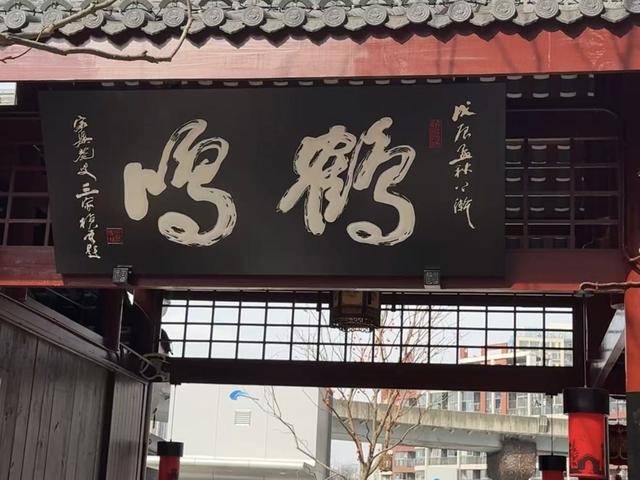
Group 1: Traditional Tea Culture and Innovation - The He Ming Tea House is adapting to modern consumer preferences by introducing a "tea coffee" series, blending traditional tea with coffee to attract younger customers [3] - The pricing strategy for the new tea coffee series is set at around 20 yuan per cup, comparable to regular milk tea, aiming to make tea culture more accessible to the youth [3] - The He Ming Tea House is also diversifying its offerings with tea-based products like aromatherapy and candles, while maintaining its traditional roots [3] Group 2: Retail Experience Transformation - JD MALL in Chengdu is redefining the retail experience by integrating over 200,000 products into immersive experience zones, focusing on "all-channel retail + immersive experience" [5] - The store encourages consumers to engage with products in a social and experiential manner, rather than just focusing on sales [5] - Various themed areas, such as a coffee workshop and beauty mirror stations, enhance customer engagement and extend their time spent in the store [5] Group 3: Technological Integration in Sports - HADO AR sports store offers an innovative experience where players use AR headsets and sensors to engage in physical activities, combining gaming with real-world movement [7] - The physical engagement required in HADO, such as squatting and core strength usage, provides a unique blend of exercise and gaming [9] - The response from Chengdu residents has been positive, with families and young people finding new ways to socialize and engage in fitness through this technology [10]

星巴克即饮业务首展链博会:十年扎根中国,本土创新锻造产业链新生态
新华网财经· 2025-07-21 09:26
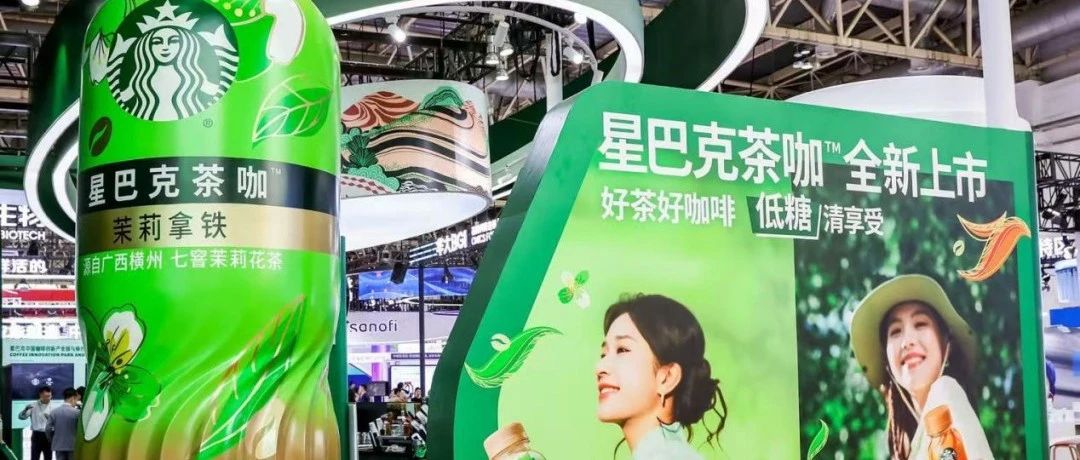
Core Viewpoint - Starbucks emphasizes its commitment to localizing its supply chain and innovating its ready-to-drink (RTD) coffee products in China, showcasing its growth and sustainability efforts at the China International Supply Chain Promotion Expo [1][14]. Product Innovation Driven by Consumer Demand - Starbucks has introduced innovative RTD products tailored to Chinese consumers, such as the Jasmine Latte, which combines high-quality Arabica coffee with local jasmine tea [3][6]. - The company has developed a range of RTD products based on local taste preferences and consumption scenarios, including low-sugar options to meet health trends [6][10]. - Currently, Starbucks offers eight major RTD series in China, all locally developed and produced, with a focus on low-sugar and zero-sugar products [6][10]. Localized Supply Chain Development - Starbucks has established a deeply localized supply chain, sourcing ingredients like jasmine tea from Guangxi and Tieguanyin tea from Fujian [8][10]. - The company has achieved 100% local procurement and processing for its RTD product packaging, enhancing sustainability and consumer experience [8][10]. - Starbucks aims to reduce its carbon emissions by 50% by 2030 compared to the 2019 fiscal year, collaborating with local partners to build a green supply chain [10][14]. Strategic Channel and Market Promotion - Starbucks has strategically positioned production lines in cities like Tianjin, Suzhou, and Guangzhou, with a distribution network covering over 1,300 counties in China [12][13]. - The company plans to expand its offline sales points to 550,000 by 2025 and continues to collaborate with e-commerce platforms for enhanced market reach [13][14]. - Starbucks' RTD business has achieved double-digit growth year-on-year in fiscal 2024, maintaining a strong market share and leading in e-commerce channels [13][14]. Conclusion - The success of Starbucks' RTD business in China is attributed to its product innovation, localized supply chain, and effective marketing strategies, positioning it as a leader in the ready-to-drink coffee market [14].