鱼

Search documents
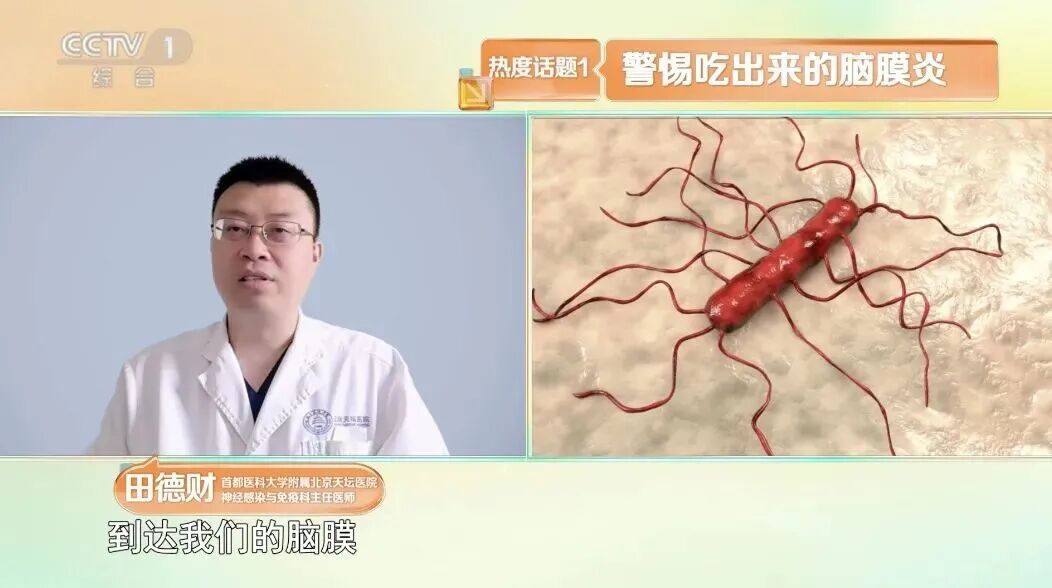
年夜饭放冰箱连吃好几天,老人突然头晕抽搐!紧急进ICU
Xin Lang Cai Jing· 2026-02-26 04:14
Core Viewpoint - The article highlights the risks associated with consuming leftover food stored in the refrigerator, particularly focusing on Listeria monocytogenes, which can lead to severe health issues such as meningitis, especially in vulnerable populations like the elderly and pregnant women [1][2]. Group 1: Health Risks - Listeria monocytogenes can survive and grow in cold environments, including refrigeration and freezing, making it a significant food safety concern [2][4]. - The infection can lead to severe conditions such as meningitis and sepsis, with a mortality rate ranging from 20% to 30% for affected individuals [2][4]. - Vulnerable groups, including the elderly, pregnant women, and immunocompromised individuals, are at a much higher risk, with pregnant women facing a risk 13 to 100 times greater than the general population [5][6]. Group 2: Food Safety Guidelines - Certain foods are particularly prone to Listeria contamination, including long-stored leftovers, unpasteurized dairy products, and undercooked meats [7]. - It is crucial to separate raw and cooked foods, thoroughly reheat leftovers, and regularly clean the refrigerator to minimize contamination risks [9]. - High-risk individuals should avoid unpasteurized dairy products and undercooked foods to prevent infection [9][10]. Group 3: Symptoms and Medical Attention - Symptoms of Listeria infection can range from mild flu-like symptoms to severe neurological issues, necessitating immediate medical attention if severe symptoms occur [10][11]. - Healthy adults may experience mild symptoms, but the infection can be life-threatening for vulnerable populations, emphasizing the need for careful dietary practices [11].

揭秘春节美食:年夜饭里为啥要有鱼?
Xin Lang Cai Jing· 2026-02-17 08:08
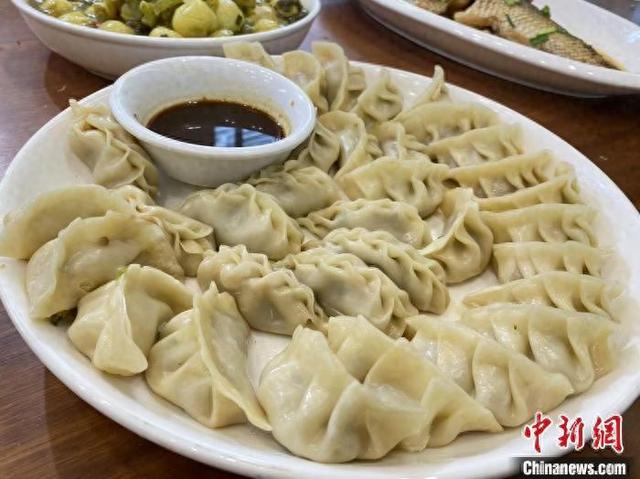
Core Viewpoint - The article highlights the significance of traditional foods during the Chinese New Year, emphasizing how these dishes embody cultural values and familial connections, creating a sense of "year flavor" that resonates with many people [1][9]. Group 1: Traditional Foods - Various traditional foods are integral to the New Year celebrations, with items like peanuts, sunflower seeds, and fish symbolizing abundance and prosperity [1][4]. - Dumplings are considered a central dish during the New Year, often associated with wealth and good fortune due to their shape resembling ancient gold ingots [4][8]. - Other notable dishes include "nian gao" (sticky rice cake) symbolizing progress and "hua mo" (flower buns) which are both culinary delights and artistic expressions [8][9]. Group 2: Family Gatherings - The New Year's Eve dinner, or "Nian Ye Fan," is a crucial event where families gather to share meals and stories, reinforcing familial bonds [6][8]. - The preparation for these meals often begins well before the New Year, indicating the importance of these traditions in family life [2][4]. - The variety of dishes served during the New Year's Eve dinner, such as ten hot dishes and eight cold dishes, reflects cultural beliefs about auspiciousness and completeness [8].
春节如何稳住体重?国家卫生健康委来支招
Ren Min Wang· 2026-02-10 22:54
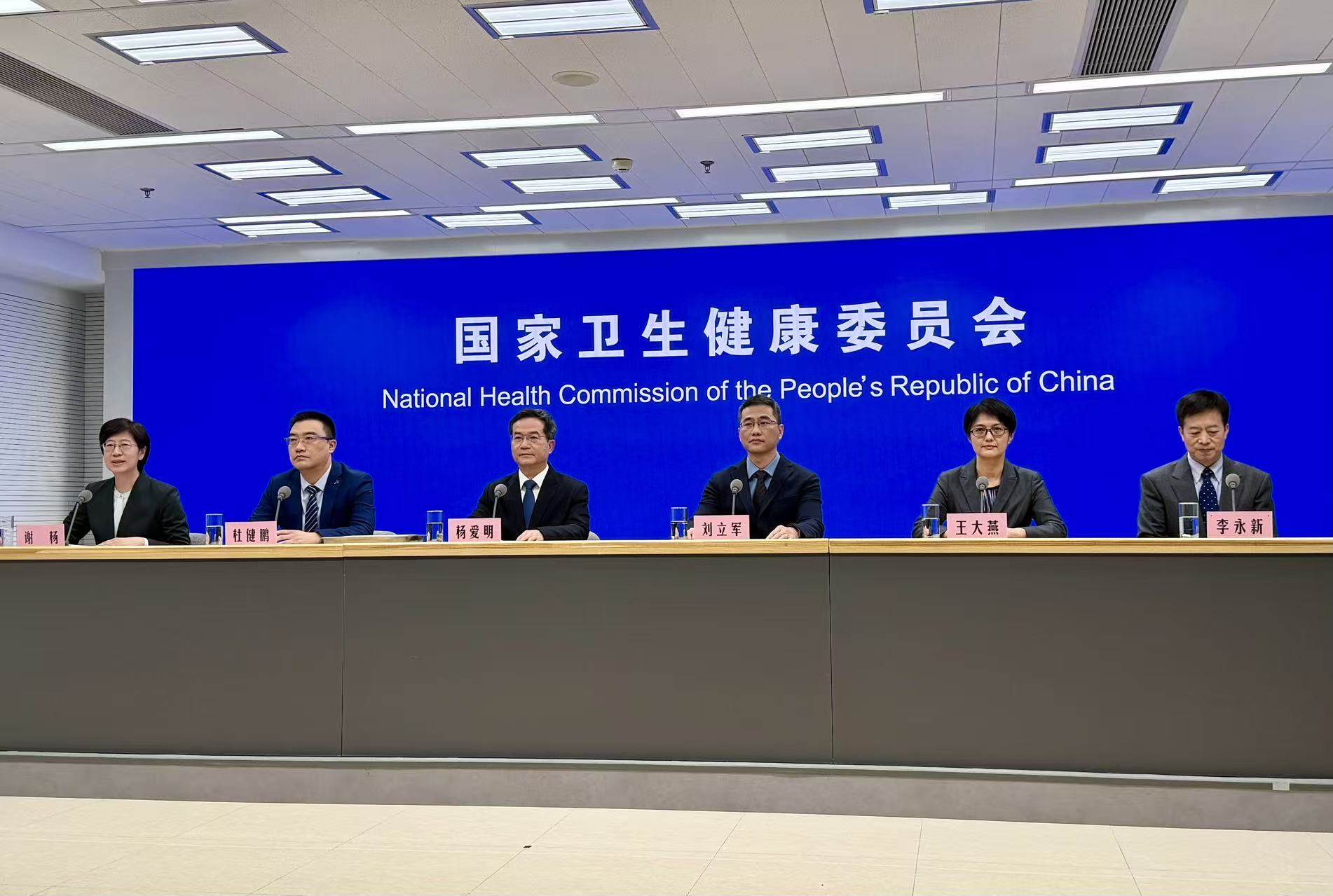
Core Viewpoint - The National Health Commission of China emphasizes the importance of maintaining weight during the Spring Festival, providing dietary recommendations to enjoy festive foods while managing caloric intake [2][3] Group 1: Dietary Recommendations - First, prioritize food choices by consuming vegetables first, followed by protein sources like shrimp and fish, and limit intake of fatty meats and fried foods. Snacks should be limited, such as a small handful of nuts, and main meals should be adjusted to avoid excessive caloric intake [2] - Second, correct common dietary misconceptions. Avoid skipping staple foods or replacing them with fruits, as this can lead to metabolic disorders and nutritional deficiencies. Instead, opt for whole grains that provide a slower rise in blood sugar and promote satiety, helping to prevent cravings [2] - Third, individuals with digestive issues should exercise moderation by avoiding overly cold, hot, spicy, or salty foods to prevent overloading the digestive system. Regular meal times should be maintained to avoid exacerbating underlying health conditions like gastritis or ulcers [3]
海南人每人每年免税额度为1万元
Xin Lang Cai Jing· 2026-02-05 12:24
Core Viewpoint - The introduction of a zero-tariff policy for imported goods purchased by residents of Hainan Free Trade Port aims to reduce living costs and meet diverse shopping needs for local residents, benefiting the overall development of the free trade port [1][3]. Group 1: Policy Details - The Ministry of Finance, General Administration of Customs, and State Taxation Administration issued a notification on February 5, allowing Hainan residents to enjoy an annual tax exemption of up to 10,000 yuan on specified imported goods [1][3]. - The policy exempts residents from import duties, value-added tax, and consumption tax on eligible goods purchased at designated stores [1][3]. - To qualify for the exemption, residents must hold a Hainan provincial ID, residence permit, or social security card, and foreign residents must have valid residency documents [1][3]. Group 2: Purchase Conditions - Residents must purchase eligible goods from stores authorized to implement the zero-tariff policy and must collect the items on-site [1][3]. - The total amount of tax-exempt purchases cannot exceed 10,000 yuan per person per year, but there is no limit on the number of transactions [1][3]. - The list of eligible goods includes 202 items such as baby formula, beef, toothpaste, fish, pens, kitchenware, and fresh fruits [2][4].
海南人每年买不超过1万元进口商品免税
第一财经· 2026-02-05 06:01
Core Viewpoint - The article discusses the introduction of a "zero tariff" policy for imported goods purchased by residents of Hainan Free Trade Port, aimed at reducing living costs and enhancing consumer choices for local residents [2][3]. Group 1: Policy Details - The Ministry of Finance, General Administration of Customs, and State Taxation Administration issued a notification on February 5, allowing Hainan residents to purchase imported goods with a tax exemption up to 10,000 RMB annually [2]. - To qualify for the tax exemption, residents must meet three conditions: they must be Hainan residents, purchase from designated duty-free stores, and the goods must be on a specified positive list of 202 items, including baby formula, beef, toothpaste, and fresh fruits [3]. Group 2: Regulatory Measures - The notification includes measures to prevent abuse of the tax exemption policy, stating that the goods purchased must be for personal use and cannot be resold. Individuals found violating this rule will be barred from future purchases of zero-tariff goods for three years [4]. - The Hainan provincial government is tasked with managing the risk of smuggling related to zero-tariff goods, implementing quantity restrictions on certain items, and enhancing regulatory oversight through information technology and traceability [5].

海南人每年买不超过1万元进口商品免税
Di Yi Cai Jing· 2026-02-05 04:43
Core Viewpoint - The introduction of a "zero tariff" policy for imported goods purchased by residents of Hainan Free Trade Port aims to reduce living costs and enhance consumer choices for local residents [1][2]. Group 1: Policy Details - The Ministry of Finance, General Administration of Customs, and State Taxation Administration issued a notification on February 5, allowing Hainan residents to purchase imported goods with a tax exemption up to 10,000 yuan annually [1]. - The policy applies only to residents holding Hainan province ID cards, residence permits, or social security cards, excluding outside tourists [1]. Group 2: Eligible Goods and Regulations - A total of 202 items are included in the positive list of eligible goods, such as baby formula, beef, toothpaste, fish, pens, kitchenware, and fresh fruits [2]. - The notification emphasizes that the exempted goods are for personal use only and cannot be resold; violations may result in a three-year ban from purchasing zero-tariff goods [2]. Group 3: Regulatory Measures - The Hainan provincial government is tasked with managing the risk of smuggling related to zero-tariff goods and may impose purchase limits on certain items [2]. - Enhanced regulatory measures, including information technology and traceability management, will be implemented to ensure compliance and control risks associated with the policy [2].
2025黑龙江“冷水鱼·冬捕季”系列活动启幕
Xin Lang Cai Jing· 2025-12-27 11:30
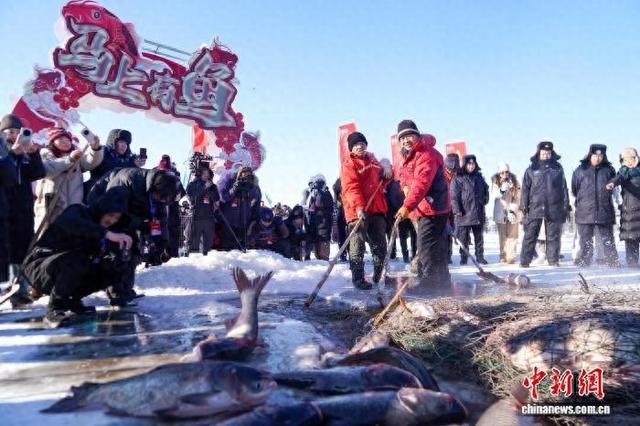
Group 1 - The event "Cold Water Fish Winter Catch Season" in Heilongjiang features traditional fishing culture and activities, including a "Lake Worship and Net Awakening" ceremony and winter fishing [2] - The event combines traditional fishing with ice and snow sports, creating a unique cultural experience that highlights the local heritage [2] - Participants engage in various activities, such as ice fishing and enjoying snow-related events, showcasing the interaction between the vast grasslands and the dynamic winter landscape [2] Group 2 - The event attracts numerous visitors who participate in ice activities and capture memorable moments, such as taking photos with fish and enjoying the winter scenery [4][6][8] - Local workers are involved in the fish-catching process, preparing the catch for sale, which adds an economic aspect to the cultural event [14][17] - The presence of ice houses and other attractions enhances the visitor experience, making the event a significant draw for tourism in the region [15]
云南江川星云湖开渔引客来
Xin Lang Cai Jing· 2025-12-25 13:18
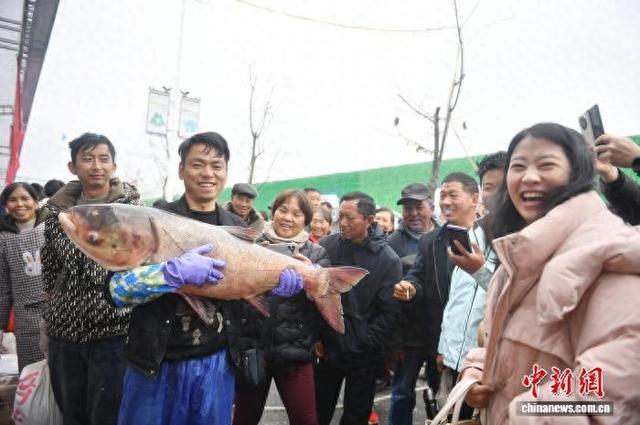
Core Viewpoint - The 18th Fishing Opening Series and Plateau Lake Aquatic Product Trading Fair in Jiangchuan, Yunnan, commenced on December 25, attracting tens of thousands of local residents and tourists, and will continue until January 10, 2026, featuring various events such as drone performances, a New Year's music gala, and large fireworks displays [2]. Group 1 - The event is taking place at Xingyun Lake in Yuxi City, Jiangchuan District, Yunnan Province [2]. - The activities are expected to draw significant public interest and participation, highlighting the region's cultural and economic engagement with fishing [2]. - The fair includes various entertainment options, enhancing the overall experience for attendees [2].
“双遗”辉映,续写千年农耕智慧
Xin Lang Cai Jing· 2025-12-24 23:56
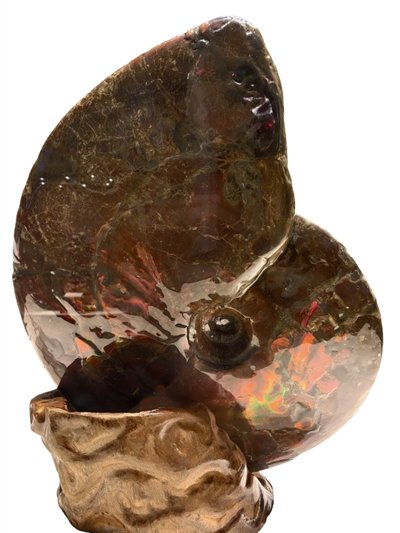
Core Insights - The "Zhejiang Deqing Freshwater Pearl Composite Aquaculture System" was successfully included in the Global Important Agricultural Heritage Systems (GIAHS) list in May 2025, marking Huzhou's second world-class agricultural heritage following the "Sangki Fish Pond System" in 2017, making it one of the few cities in China with "dual heritage" status [3][4] Group 1: Agricultural Heritage - Huzhou is recognized for its rich natural resources, being known as the "land of fish and rice, and the capital of silk," and has developed two classic ecological circular paradigms that reflect a deep sustainable farming philosophy [3] - The "Sangki Fish Pond System" is a model of "land-based circulation," integrating planting and breeding into a near-zero waste production system, praised as a global sustainable agriculture benchmark [3][4] - The newly recognized "Zhejiang Deqing Freshwater Pearl Composite Aquaculture System" exemplifies "water-based circulation," focusing on a symbiotic ecosystem of "mussels and fish" to achieve efficient ecological balance and natural pearl cultivation [3] Group 2: Historical Significance - Both systems have a long history, with the Sangki Fish Pond dating back to the Spring and Autumn period and maturing during the Tang and Song dynasties, while pearl farming began in the Southern Song dynasty with the invention of the shell-attachment method by craftsman Ye Jinyang [4] - These systems represent local production wisdom and have influenced agricultural and pearl culture across East Asia and the world, being described by FAO experts as a "model of ancient wisdom combined with contemporary conservation" [4] Group 3: Modern Development - Huzhou is advancing active protection and innovative development with a holistic vision, creating a "Pearl Source" cultural community in Deqing and restoring traditional Sangki fish pond landscapes in places like Nanxun, revitalizing ancient ecological wisdom for contemporary engagement [5] - The city showcases its ecological circular models to the world, presenting an Eastern answer to sustainable agricultural development [5]
一万亿美元顺差?吃大亏了!
Sou Hu Cai Jing· 2025-12-20 16:27
Core Viewpoint - The article discusses the implications of China's $1 trillion trade surplus, arguing that it represents a significant economic imbalance rather than a true profit, as it reflects a trade of real goods for mere currency [1][4][24]. Trade Surplus Analysis - The $1 trillion trade surplus is likened to a "gold mine," but it is suggested that this surplus is misleading, as it does not equate to actual wealth [1][4]. - The narrative compares two fictional islands: "Labor Island" (China) and "Consumption Island" (the U.S.), illustrating how Labor Island exports real goods while receiving only paper currency in return [4][7]. - The article emphasizes that the true wealth lies in tangible goods, not in the currency received for them, highlighting a fundamental misunderstanding of wealth [5][6]. Economic Mechanisms - The article critiques the artificial management of currency exchange rates, which prevents the natural appreciation of the Chinese yuan despite significant exports [9][13]. - It explains that maintaining a low exchange rate effectively subsidizes foreign consumers while distorting price signals for domestic producers [16][20]. - The process of printing more yuan to manage the exchange rate leads to inflation, diminishing the purchasing power of Chinese citizens [18][20]. Consequences of Trade Practices - The article argues that the current trade practices result in a cycle where increased exports lead to more yuan being printed, which in turn causes inflation and reduces the purchasing power of the populace [21][24]. - It suggests that the trade surplus, rather than being a sign of economic strength, is a burden that restricts consumer spending and industrial advancement [24][25]. Proposed Solutions - The article advocates for allowing the yuan to float freely in the market, which would lead to a natural adjustment in the exchange rate and potentially higher prices for exports [24]. - It calls for increased imports to utilize the trade surplus effectively, suggesting that China should invest in technology and consumer goods to enhance domestic welfare [24]. - The article emphasizes the importance of consumer spending as a measure of economic health, rather than merely focusing on export figures [24].