蓝芩口服液

Search documents
中成药“尚不明确”退场倒计时!记者实探:部分常用药仍有标注
Qi Lu Wan Bao· 2026-01-29 11:59
Core Viewpoint - The implementation of the new regulations on traditional Chinese medicine (TCM) product labeling aims to eliminate the "unclear" status in safety information, enhancing the quality and safety of TCM products in the market [1][2][13]. Regulatory Changes - The new regulations, effective from July 1, 2023, require TCM product holders to manage the entire lifecycle of their products and improve the safety information in their labeling, specifically regarding contraindications, adverse reactions, and precautions [1][2]. - By July 1, 2026, any TCM product with "unclear" safety information will not be eligible for re-registration, emphasizing the urgency for companies to update their product labels [1][2]. Industry Response - Many pharmaceutical companies have begun revising their product labels to comply with the new regulations. For instance, companies like Rongchang Pharmaceutical and Yiling Pharmaceutical have completed revisions for their core products, ensuring clear safety information [11][12]. - The industry is adapting by adjusting procurement strategies to focus on compliant products and gradually reducing the inventory of those with high re-registration risks [14]. Market Observations - Despite the new regulations, some commonly used TCM products still display "unclear" safety information, indicating a gap in compliance that needs to be addressed [7][8]. - Reports indicate that TCM accounts for 12% of adverse drug reaction reports, highlighting the need for clearer safety information to mitigate risks associated with TCM usage [7][13]. Future Outlook - The new regulations are expected to promote a shift in the TCM industry from quantity expansion to quality prioritization, ultimately benefiting public health by providing clearer safety guidelines [13][14]. - The elimination of "unclear" labels is anticipated to enhance consumer confidence in TCM products, reducing the risk of unreasonable medication use [14].

抗流感类药物和检测试剂销量明显增长 相关药品储备充裕
Sou Hu Cai Jing· 2025-11-21 15:08
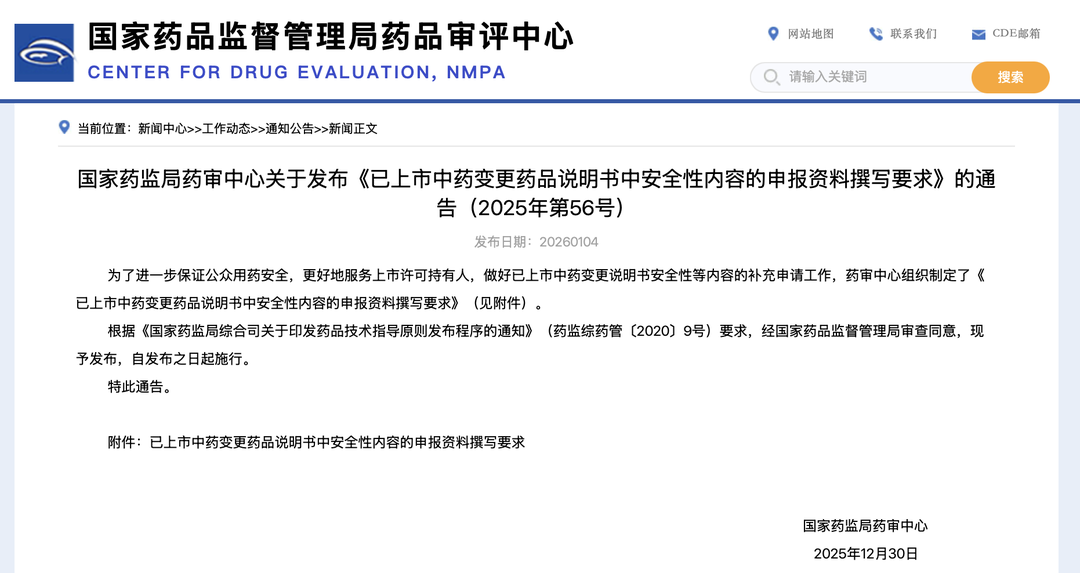
Group 1 - The demand for antiviral drugs has significantly increased due to a rise in flu patients across multiple regions in the country [1] - Sales of various antiviral medications, including Oseltamivir and Mabalaosavir, have surged, with Oseltamivir's sales increasing by 237% and Mabalaosavir's by 180% in the past week [3] - Other medications such as antipyretics, cough suppressants, and nasal sprays have also seen sales increases exceeding 53% [3] Group 2 - In northern cities like Shenyang, Changchun, Xi'an, and Hohhot, the sales of specific flu medications have grown by over 1.5 times [5] - Flu test kits have experienced a tenfold increase in cities such as Beijing, Shenyang, Chengdu, and Xi'an [5] - From November 14 to November 20, the order volume for respiratory bacterial and viral testing increased by 63%, with a positive detection rate rising to 67.7% [7] Group 3 - Patients are opting for home testing services, with results available online within an average of three hours [8] - Despite the rising demand for medications, online pharmacies and brick-and-mortar stores report that drug supplies are sufficient and supply chains are operating smoothly [10]
向世界一流迈进 扬子江药业集团高质量发展跃上新台阶
Zhong Guo Zhi Liang Xin Wen Wang· 2025-10-15 07:07
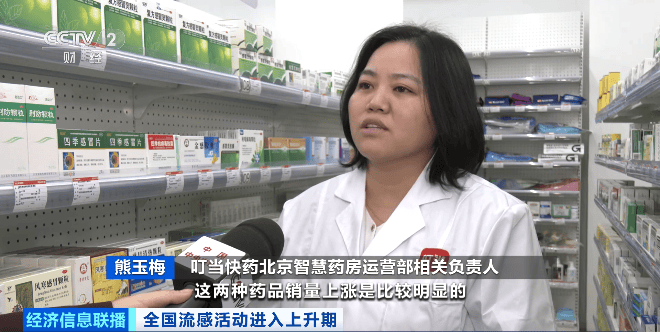
Core Viewpoint - Yangtze River Pharmaceutical Group is committed to high-quality and sustainable development by aligning with world-class standards and implementing a comprehensive quality management system across all aspects of its operations [1][2][5]. Group 1: Quality Management Initiatives - The company emphasizes a "big quality" approach, focusing on product lifecycle quality, operational quality, digital application quality, and management quality to enhance overall quality coordination and upgrade [2]. - Yangtze River has established a robust drug quality risk management model, ensuring that all products meet standard requirements through a data-driven, rapid-response safety system [2][4]. - The company has achieved over 180 generic drug varieties that have passed or are deemed equivalent in quality and efficacy evaluations, reinforcing the quality equivalence with original drugs [2]. Group 2: Operational Quality and Culture - Yangtze River promotes a culture of quality through leadership, strategy, personnel, and resource collaboration, establishing clear quality responsibilities and fostering a continuous improvement atmosphere [3]. - The company has implemented over 1,000 quality improvement projects, generating over 500 million yuan in economic benefits and winning 31 international quality management awards [3]. - The annual "Quality Month" activities help instill quality culture among employees, enhancing their sense of ownership and commitment to quality [3]. Group 3: Smart Manufacturing and Digital Transformation - The company leverages digital technologies to enhance production and management processes, achieving data sharing and dynamic analysis for quality decision-making [4]. - Yangtze River's subsidiary, Longfeng Hall, has become the first in Jiangsu Province to pass the national high-tech standardization pilot for intelligent manufacturing in traditional Chinese medicine [4]. - The company aims to be recognized as a top-tier intelligent factory by 2024, reflecting its commitment to improving quality control precision and management efficiency through digital upgrades [4]. Group 4: Sustainable Development and Green Manufacturing - Yangtze River prioritizes green development as a prerequisite for high-quality growth, implementing green manufacturing technologies and practices throughout its operations [12]. - The company has converted wastewater from traditional Chinese medicine production into biogas, generating significant revenue and reducing carbon emissions [11]. - Eight of its factories have been recognized as national green factories, demonstrating the company's commitment to environmental sustainability [12]. Group 5: International Standards and Recognition - Yangtze River has been pursuing the EFQM Global Award since 2012, achieving a five-star rating in 2021 and recently receiving a seven-star certification, which positions the company to compete for the seven-diamond EFQM Global Award [9][10]. - The EFQM model has been integrated into the company's operations, driving improvements across various departments and enhancing overall management capabilities [15]. - The company actively engages in cross-cultural communication training to support its internationalization efforts and ensure compliance with global quality standards [16].
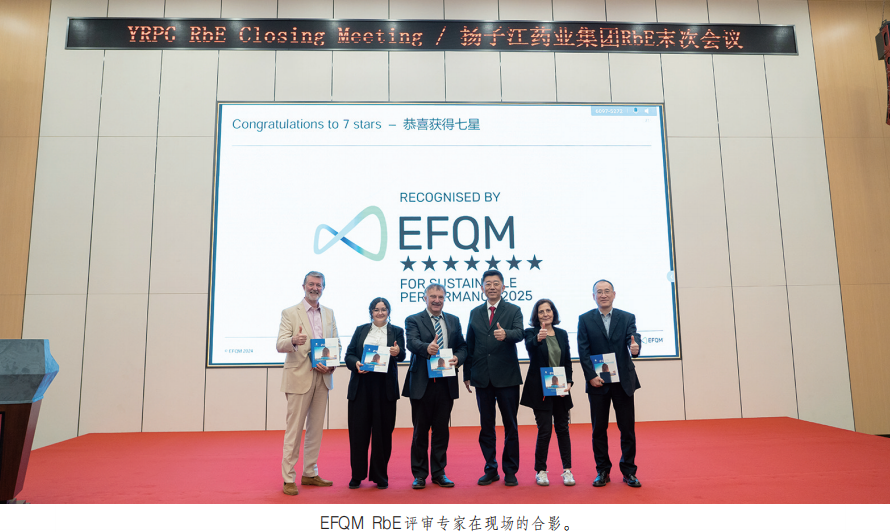
扬子江药业集团董事长徐浩宇在首届江苏品牌建设大会发表主题演讲
Sou Hu Cai Jing· 2025-09-10 08:31
Core Viewpoint - The Jiangsu Brand Construction Conference emphasizes the importance of brand development for Jiangsu enterprises, with a focus on creating globally influential brands, particularly in the pharmaceutical and health sectors [1][3]. Group 1: Brand Development Strategy - The conference theme "Brand Strong Nation, Su Products First" reflects a collective vision for Jiangsu brands to reach a global audience [3]. - Xu Haoyu, representing Yangtze River Pharmaceutical Group, highlighted the company's brand philosophy, which is closely tied to its mission of "seeking progress and protecting lives" [3][5]. - The company prioritizes quality as the cornerstone of brand building, evidenced by its achievements in quality management and international awards [5]. Group 2: Innovation and Market Strategy - Continuous innovation is essential for meeting the growing health demands of the public, alongside maintaining high quality standards [5]. - In 2024, the company introduced a "Health Marketing, Marketing Health" dual strategy, launching health products that align with modern lifestyles [5]. - The company plans to refresh its brand with new products targeting younger demographics, such as "Little Blue Qing Oral Liquid" and "Little Blue Throat Candy" [5][6]. Group 3: Corporate Responsibility and Community Engagement - Xu emphasized that a strong brand is rooted in responsible corporate behavior, which includes providing safe and effective products and engaging in community welfare [8]. - The company has contributed over 1 billion yuan in various charitable efforts and established 80 standardized planting bases to ensure product quality and support local farmers [8]. - The call for collaboration among Jiangsu enterprises aims to enhance the "Su Products" brand and elevate it from regional strength to global recognition [8]. Group 4: Quality and Innovation as Growth Drivers - The conference highlighted the need for Jiangsu to focus on quality, innovation, ecology, culture, and openness to build strong brands that represent Chinese standards [8]. - The establishment of benchmark brands like Yangtze River Pharmaceutical is seen as crucial for contributing to a brand-strong and quality-strong nation [8].