
蔓越莓胶囊

Search documents
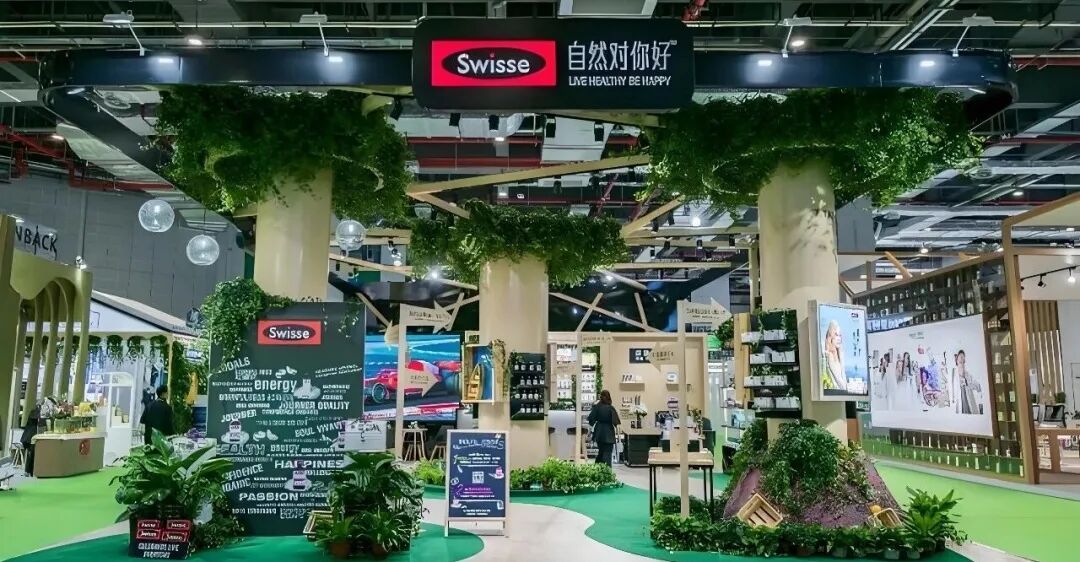
Swisse,怎么就“不香了”?
3 6 Ke· 2025-12-23 09:37
Core Insights - The article discusses the rise and challenges of Swisse, a health supplement brand acquired by China's Health and Happiness Group (健合集团), highlighting its initial success in the Chinese market and the subsequent financial difficulties faced by the parent company [2][3][8]. Group 1: Company Background and Acquisition - Swisse was founded in Melbourne in 1969 and gained popularity in China post-2010 due to its branding as a natural product and effective marketing strategies [2][3]. - In 2015, Health and Happiness Group acquired 83% of Swisse for approximately AUD 1.386 billion, aiming to leverage the brand's Australian image to penetrate the burgeoning Chinese health supplement market [3][5]. - The acquisition coincided with favorable cross-border e-commerce policies in China and a strong consumer demand for overseas health products, providing an optimal entry point for Swisse [5]. Group 2: Market Strategy and Performance - Post-acquisition, Health and Happiness Group did not merely replicate Swisse's Australian model but adapted it to the Chinese market by focusing on high-potential categories like collagen and liver health products [5][7]. - By 2024, Swisse is expected to derive nearly 80% of its sales from cross-border e-commerce channels, with a strong online market share of over 7.5% in the VDS segment [7]. - Despite its strong market presence, Swisse's revenue growth has slowed, with the adult nutrition and care (ANC) segment showing only an 8.8% increase in 2024, down from previous high growth rates [10][11]. Group 3: Financial Challenges - Health and Happiness Group reported a revenue of RMB 13.05 billion in 2024, a decline of 6.3%, and a net loss of RMB 53.72 million, marking its first loss since going public [8][12]. - The ANC segment, while still a revenue pillar, has seen its growth rate decline, contributing only 48% to total revenue in the first three quarters of 2025 [11][12]. - The baby nutrition and care (BNC) segment has experienced a significant decline, with revenues dropping from RMB 5.18 billion in 2022 to RMB 3.33 billion in 2024, a 36% decrease [13][14]. Group 4: Operational and Competitive Challenges - The pet nutrition and care (PNC) segment has not yet become a significant revenue driver, contributing only 15% to total revenue in the first three quarters of 2025 [15]. - High marketing costs are eroding profits, with sales and distribution costs reaching RMB 2.883 billion in the first half of 2025, nearly four times the net profit for the same period [22][25]. - The competitive landscape in the Chinese health supplement market is intensifying, with local brands offering lower prices and international brands increasing their local operations, impacting Swisse's market share growth [29][30]. Group 5: Future Outlook - Swisse must innovate through research and development to maintain competitiveness, moving beyond reliance on brand equity and marketing [31]. - The ability of Health and Happiness Group to rejuvenate Swisse and cultivate new growth avenues will be crucial for navigating future challenges [32].

最高检发布依法惩治危害食品药品安全犯罪典型案例
Yang Shi Wang· 2025-11-05 02:39
Core Viewpoint - The Supreme People's Procuratorate has released typical cases of prosecuting crimes that endanger food and drug safety, highlighting the importance of legal supervision and the need for a comprehensive crackdown on the entire supply chain of such crimes [1][3]. Summary by Sections Case Handling Characteristics - The prosecution of food and drug safety crimes emphasizes a full-chain crackdown, addressing all links from production to retail [2]. - The prosecution integrates comprehensive legal duties, promoting a collaborative regulatory mechanism that includes civil public interest litigation alongside criminal prosecution [2]. - The application of a balanced criminal policy is evident, with varying degrees of prosecution based on the severity of the crime and the role of the individuals involved [2]. Data on Prosecutions - From January to September 2025, 1,025 cases involving 1,693 individuals were approved for arrest related to food safety crimes, and 3762 cases involving 7,316 individuals were prosecuted [1]. - For drug safety crimes, 279 cases involving 443 individuals were approved for arrest, and 1,354 cases involving 2,668 individuals were prosecuted [1]. Case Examples - In a case involving the production and sale of counterfeit health products, over 120,000 bottles were produced, generating illegal profits exceeding 8 million yuan [5]. - Another case involved the purchase and sale of over 200 sick or dead cattle, with illegal profits amounting to over 510,000 yuan [11]. - A case concerning the production and sale of toxic and harmful foods involved the illegal addition of substances like clenbuterol, affecting over 90 cattle [26]. Legal Supervision and Collaboration - The procuratorial organs are enhancing their efforts to combat food and drug safety crimes by deepening investigations into the supply chain and ensuring effective collaboration with law enforcement [3][19]. - The establishment of a comprehensive governance model for food safety is being promoted, integrating criminal prosecution with administrative oversight [30]. Public Health and Safety Implications - The prosecution of these cases is crucial for protecting public health and maintaining the integrity of the food and drug markets, as they directly impact consumer safety [24][30]. - The legal actions taken serve to deter future violations and ensure that offenders are held accountable, thereby reinforcing consumer trust in food and drug safety [30].