藻井

Search documents
仰望诗意苍穹——藻井艺术的多维之美
Xin Lang Cai Jing· 2025-12-20 22:07
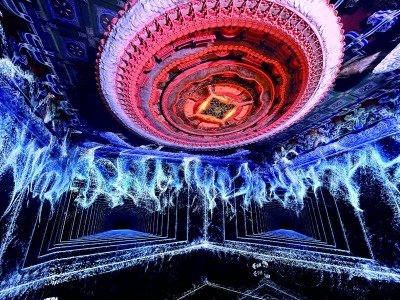
Core Perspective - The article explores the cultural significance and architectural beauty of the "藻井" (zǎojǐng), a traditional Chinese architectural feature that serves as both a functional and symbolic element in buildings, representing a microcosm of the universe [1][3][5]. Group 1: Cultural Significance - The "藻井" originated from practical needs, designed to gather smoke and obscure firelight, reflecting ancient wisdom of "using water to suppress fire" [3]. - It serves as a focal point in significant rituals, creating a space where visual perception and inner feelings converge, symbolizing a connection to the cosmos [1][3]. - The intricate designs within the "藻井" feature motifs like dragons and lotus petals, which convey deeper meanings related to imperial authority, purity, and the continuity of life [5][10]. Group 2: Structural and Craftsmanship Insights - The development of the "藻井" showcases a history of craftsmanship that intertwines experience, structural wisdom, and traditional techniques [7][8]. - The construction involves a precise wooden assembly system, where each component is meticulously designed to distribute weight and maintain structural integrity [8][10]. - The evolution of the "藻井" from simple forms to complex structures reflects advancements in architectural techniques and the changing hierarchy of buildings [8][10]. Group 3: Digital Reinterpretation and Cultural Revival - The advent of digital technology allows for the preservation and study of "藻井" through high-precision scanning and data analysis, enabling virtual reconstruction and exploration of its structural logic [12][16]. - New media art and immersive exhibitions are redefining the interaction between "藻井" and audiences, transforming static designs into dynamic experiences that respond to viewer engagement [13][16]. - The integration of virtual and augmented reality technologies offers innovative ways to experience "藻井," bridging traditional craftsmanship with contemporary digital expressions [16][17].

仰望诗意苍穹
Xin Lang Cai Jing· 2025-12-20 21:04
Core Perspective - The article discusses the cultural and architectural significance of the "藻井" (zǎojǐng), a traditional Chinese architectural feature that serves both functional and symbolic purposes, representing a microcosm of the universe within buildings [9][10][11]. Group 1: Cultural Significance - The "藻井" is not merely a decorative element but serves as a spiritual and visual focal point in sacred spaces, where significant rituals take place [9][10]. - It embodies ancient wisdom, reflecting the belief of "using water to suppress fire," with its design symbolizing a cosmic order and inviting contemplation [10][11]. - The intricate patterns and structures of the "藻井" evoke a sense of infinity within confined spaces, enhancing the spiritual experience of those who enter [11][12]. Group 2: Structural and Craftsmanship Insights - The development of the "藻井" showcases a history of craftsmanship, evolving from simple designs to complex forms that reflect a deep understanding of proportion, mechanics, and material properties [12][13]. - The construction involves a sophisticated assembly system, where various components are meticulously joined to distribute loads effectively, demonstrating the integration of geometry and aesthetics [13][14]. - The decorative elements within the "藻井" follow strict structural logic and ceremonial guidelines, with specific motifs symbolizing nobility and divinity [14]. Group 3: Digital Transformation and Cultural Revival - The advent of digital technology allows for the preservation and study of "藻井" through high-precision scanning and data analysis, enabling virtual reconstruction and exploration of its structural logic [15][16]. - New media art and immersive exhibitions are redefining the interaction between "藻井" and audiences, transforming static designs into dynamic experiences that respond to viewer engagement [16][17]. - The potential for re-creation in a digital context expands the symbolic system of "藻井," allowing for innovative interpretations that connect traditional aesthetics with contemporary expressions [17][18].
故宫里的“避火咒”与“镇火兽”丨京华物语
Xin Jing Bao· 2025-08-18 04:48
Core Insights - The article explores the cultural significance of fire prevention methods embedded in the architecture of the Forbidden City, highlighting various traditional beliefs and practices aimed at disaster prevention [3][14][20]. Group 1: Architectural Features - The intricate design of the "dragon and phoenix" coffered ceiling in the Hall of Supreme Harmony serves not only as a symbol of imperial power but also as a traditional fire prevention tool, believed to have protective qualities against fire [5][10]. - The unique writing style of the character "门" (door) on the gate plaques, which lacks a hook, reflects ancient fire prevention superstitions, dating back to the Southern Song Dynasty [6][8]. - The "Chiwun" (a mythical creature) placed at the roof corners of the Forbidden City is believed to ward off fire, with historical references to its protective role against fire disasters [9][12]. Group 2: Water Sources and Firewalls - The inner Golden Water River, designed to meander through the Forbidden City, serves as a practical water source for firefighting, allowing for quick access to water during emergencies [14][16]. - The construction of solid "firewalls" and "wind-fire eaves walls" in the Forbidden City reflects a strategic approach to fire prevention, particularly after significant fire incidents [16][18]. Group 3: Firefighting Equipment - The use of large bronze water tanks, known as "海," strategically placed throughout the Forbidden City, serves as a primary firefighting resource, with historical records indicating the presence of over 300 tanks during the Qing Dynasty [21][23]. - The "water dragon" and "pumping barrels" represent advanced firefighting technology of the time, with the water dragon being particularly effective in extinguishing fires from a distance [23][24].
敦煌金,黄金行业首获文化展览类国家级大奖
Sou Hu Cai Jing· 2025-05-20 23:59
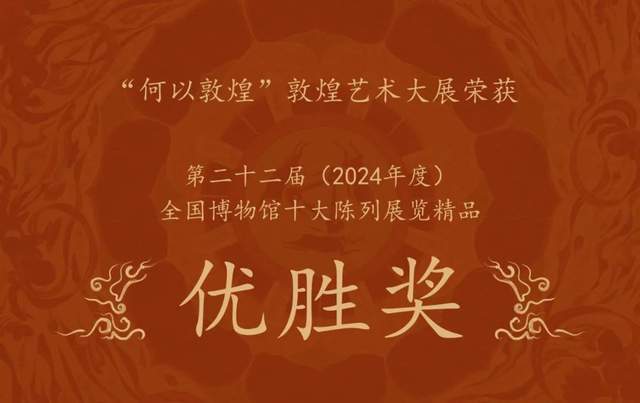
Group 1 - The "Dunhuang Gold" brand, rooted in Dunhuang culture, has achieved significant recognition by winning the Excellence Award at the 22nd National Museum's Top Ten Exhibition Recommendations, marking a major breakthrough in the cultural empowerment of the gold industry [1][6]. - The "What is Dunhuang - Dunhuang Art Exhibition" will be held from September 20, 2024, to January 3, 2025, at the China Art Palace, showcasing the pinnacle achievements of Dunhuang culture across various dimensions [3][5]. - The exhibition is expected to attract over 300,000 visitors within 106 days, hosting more than 200 cultural activities and achieving media exposure exceeding 200 million [3][5]. Group 2 - "Dunhuang Gold" actively promotes the modern expression and market integration of Dunhuang culture through various initiatives, including ticket and cultural product sales, and collaborations with leading companies in multiple industries [5][6]. - The brand emphasizes the transformation of gold from a mere financial asset to a cultural value carrier, connecting contemporary emotions and conveying Chinese aesthetics [5][6]. - "Dunhuang Gold" has consistently engaged in cultural actions, including the launch of the "Golden Color Encounter, Protect Dunhuang" public welfare initiative, showcasing its commitment to cultural heritage protection [7][11]. Group 3 - The brand has gained recognition at the Beijing International Coin Expo, winning the "Top Ten" award for its original cultural design and artistic value [7][9]. - "Dunhuang Gold" participated in the 35th Shanghai Tourism Festival, enhancing public visibility and affinity for Dunhuang culture through a flower float and exhibitions across multiple districts [9][11]. - The "Dunhuang Gold - Mogao Caves Exhibition Space" serves as a cultural and commercial fusion area, where visitors can purchase gold products that embody cultural significance [12][14].