
虾仁面

Search documents
老菜场焕新逆袭链起城市记忆与市井“烟火气” 消费新场景释放经济新活力
Yang Shi Wang· 2025-05-23 07:48
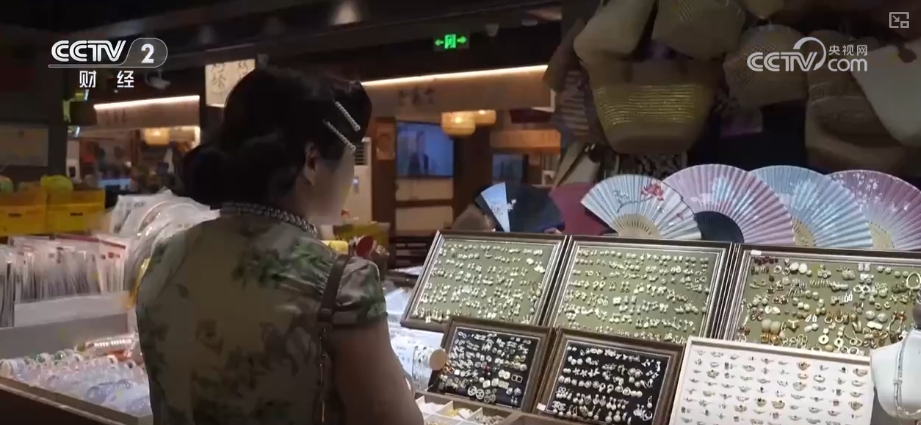
Group 1 - The article highlights the transformation of the Shuangta Market in Suzhou, which combines traditional market elements with modern aesthetics and local cultural features, making it a popular destination for both locals and tourists [1][4][12] - The market spans over 2,300 square meters and includes fresh produce, a snack area with 20 triangular stalls, and a convenience service area featuring tailor and key shops, reflecting Suzhou's cultural elements in its design [8][10] - The market has seen a 50% increase in foot traffic compared to its previous state, indicating its success in revitalizing the area and attracting visitors [12] Group 2 - The article also discusses a trend among elderly residents in Shanghai who travel to Nantong, Jiangsu, to purchase fresh produce, combining shopping with leisure activities [14][20] - The Nantong market is described as a large wholesale market for agricultural products, offering a wide variety of goods at competitive prices, which appeals to customers [16] - The round trip cost for the elderly shoppers is 49 yuan, and many plan to make this a regular outing, treating the Nantong market as their "vegetable basket" and "backyard" [20]

瞄准海外预制菜市场“蓝海” 粤企打造全国首个预制菜出口平台
Nan Fang Ri Bao Wang Luo Ban· 2025-04-22 08:11
Core Insights - The article discusses the rapid growth and potential of the prepared food industry in Guangdong, particularly focusing on the export opportunities for pre-made dishes to overseas markets, especially targeting the Chinese diaspora [1][2][5] Group 1: Market Potential - The overseas market for prepared dishes has a potential consumer base of approximately 300 million people, primarily consisting of overseas Chinese, estimated at around 60 million [2] - The market for Chinese restaurants abroad is significant, with around 500,000 establishments and a market size exceeding $250 billion [2] Group 2: Company Strategy - Guangzhou Xueyin has shifted its focus from the domestic market to international exports after initial failures in the domestic prepared food sector, establishing a partnership with a U.S. company specializing in supplying prepared dishes to Chinese restaurants [2][5] - The company has set up a prepared food export platform in Nansha, leveraging its strategic location with the largest container hub in South China and various supportive policies [2][3] Group 3: Operational Challenges - Exporting prepared dishes involves navigating complex regulations, including obtaining various certifications and ensuring compliance with foreign market standards [3][4] - The company has developed a "five-fold rule" for inventory management to mitigate supply chain disruptions and ensure stable product availability in overseas markets [4] Group 4: Financial Outlook - The platform is projected to achieve a cumulative export transaction volume exceeding 10 billion RMB this year, despite challenges posed by U.S. tariff policies [5] - The company plans to expand its presence by establishing prepared food experience centers and warehouses in 20 countries, enhancing its ability to deliver products efficiently [5][6] Group 5: Competitive Advantage - The company emphasizes the importance of identifying market trends early and strategically planning to gain a competitive edge, which has allowed it to establish connections with overseas chain restaurants and adapt quickly to market demands [6]