
蛋白奶昔

Search documents
日本7-Eleven卖的这瓶「水」,居然能补5g蛋白质
36氪· 2025-09-26 11:25
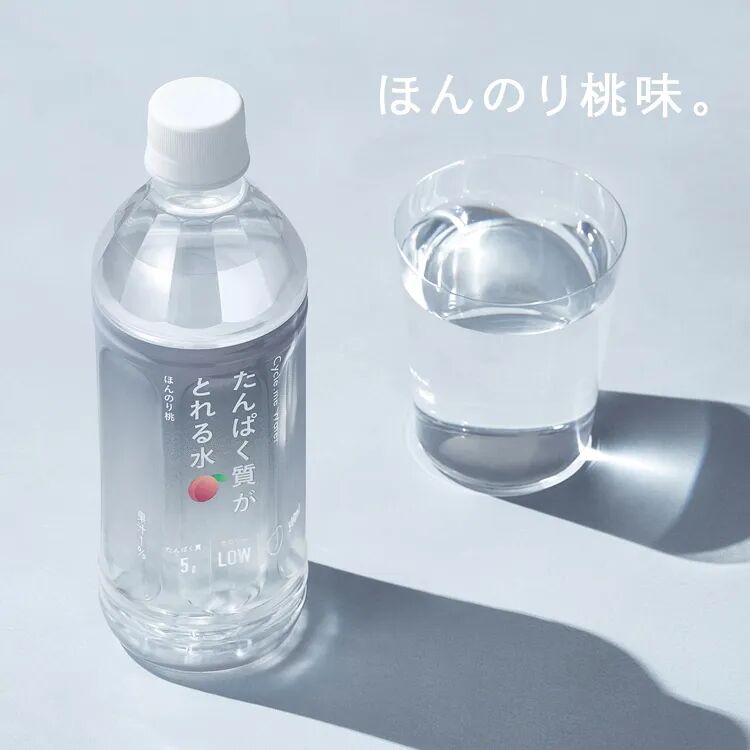
Core Viewpoint - The article discusses the innovative launch of a transparent protein water by Japan's 7-Eleven private brand Cycle.me, highlighting its unique features and market potential in the growing protein beverage sector [3][7][12]. Product Features - Cycle.me's protein water contains 5g of low molecular collagen protein per bottle, aiming to provide hydration while supplementing protein intake [15][17]. - The product is marketed as low-calorie and not overly sweet, with a subtle peach flavor, making it more palatable for consumers [18]. - It utilizes deep-sea water from Kochi Prefecture, Japan, which is rich in minerals, suitable for hydration during outdoor activities [18]. Market Trends - Consumer interest in protein as a desirable nutrient has surged, with Cycle.me's research indicating it is the top nutrient consumers wish to actively incorporate into their diets [18]. - The protein food and beverage market in Japan is projected to grow by 2.8% in 2024, reaching approximately 276.3 billion yen (around 11.4 billion RMB) [18]. Development Challenges - Cycle.me faced significant challenges in maintaining the clarity and stability of the protein water during production, requiring extensive optimization of raw materials and processing techniques [19]. - The collaboration with DyDo, a major Japanese beverage manufacturer, was crucial in developing a product that retains nutritional value without compromising on transparency [19]. Comparison with Global Trends - While Cycle.me's product is unique in its transparent form, similar protein water products in the Western market often utilize hydrolyzed whey protein, resulting in a semi-transparent appearance [28][30]. - The trend of incorporating protein into everyday beverages is gaining traction globally, with brands like Super Coffee and SEEQ also innovating in this space [42][34].

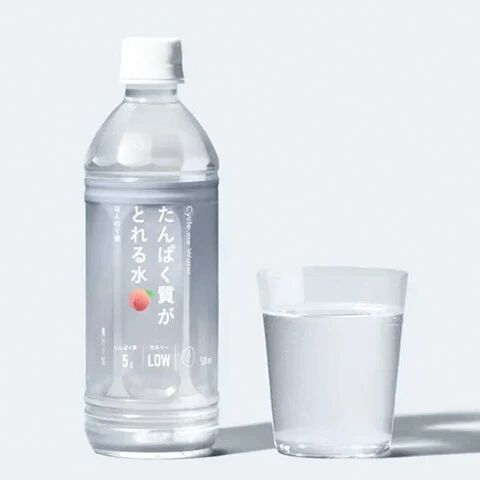
日本7-Eleven卖的这瓶“水”,居然能补5g蛋白质
3 6 Ke· 2025-09-24 01:31
Core Insights - The article discusses the launch of a transparent protein water product by Japan's 7-Eleven private brand Cycle.me, which aims to change consumer perceptions of protein beverages traditionally associated with dairy products [3][9]. Product Overview - Cycle.me's protein water is a unique offering that contains 5g of protein per bottle, utilizing low molecular collagen protein as its primary ingredient [12][16]. - The product is priced at 193 yen (approximately 9.3 RMB) and is marketed as a low-calorie, refreshing drink with a subtle peach flavor [10][12]. Market Trends - Consumer interest in protein as a desirable nutrient has been rising, with a market forecast indicating a 2.8% increase in demand for protein food and beverages in Japan, reaching 276.3 billion yen (approximately 11.4 billion RMB) by 2024 [12][22]. - The trend towards lighter, more accessible protein products is evident, with Cycle.me positioning its protein water as a daily supplement rather than a meal replacement [16][38]. Development Challenges - The development of the transparent protein water faced challenges in maintaining clarity and taste, requiring extensive optimization of raw materials and production processes [14][19]. - Collaboration with DyDo, a major Japanese beverage manufacturer, was crucial in achieving the desired product characteristics [14][19]. Competitive Landscape - The article highlights the growing popularity of clear protein products in both Japan and the West, with various brands exploring different formulations and marketing strategies [20][22]. - In the U.S. market, clear whey protein has gained traction, with a projected market size of $2.72 billion in 2023 and an expected annual growth rate of 6.7% from 2024 to 2030 [22][24]. Consumer Reception - Initial consumer reactions to Cycle.me's protein water have been mixed, with some expressing curiosity and others preferring traditional protein sources like boiled eggs [6][7]. - The product's unique texture and flavor profile have sparked discussions on social media, indicating a blend of intrigue and skepticism among potential buyers [6][7].

综述|美国关税政策“回旋镖”伤及美企和消费者
Xin Hua She· 2025-07-23 05:38
Group 1 - The core viewpoint of the articles is that the U.S. government's tariff policies are negatively impacting American businesses and consumers, acting like a "boomerang" that ultimately harms the economy [1][2] - Major U.S. companies, including General Motors, reported significant financial losses due to tariff policies, with GM's second-quarter losses amounting to $1.1 billion and a 35.4% year-on-year drop in net profit to $1.9 billion [1] - Stellantis indicated that it could face a net loss of $2.7 billion in the first half of the year due to tariffs, highlighting the financial strain on the automotive sector [1] Group 2 - Retail giant Walmart has raised prices on essential goods due to tariff impacts and warned of potential price increases for back-to-school items starting this month [2] - Amazon has also increased prices on low-cost items such as deodorants and protein shakes, reflecting the broader trend of rising consumer prices [2] - A report from Yale University estimates that the tariffs will lead to a 2.1% increase in domestic price levels, costing each American household approximately $2,800, with low-income families facing three times the disposable income loss compared to wealthier households [2]


