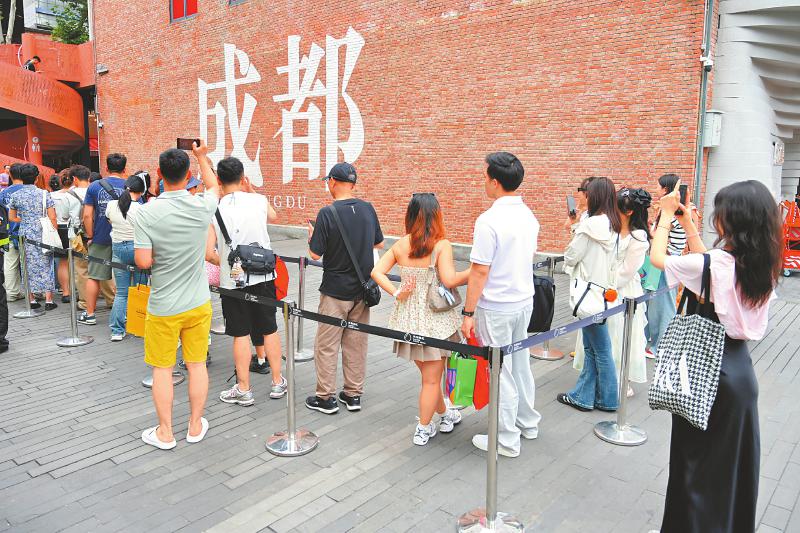
蜀宴赋

Search documents
(新春见闻)从用餐到“入戏” 沉浸式国风餐饮新春升温
Zhong Guo Xin Wen Wang· 2026-02-21 05:14
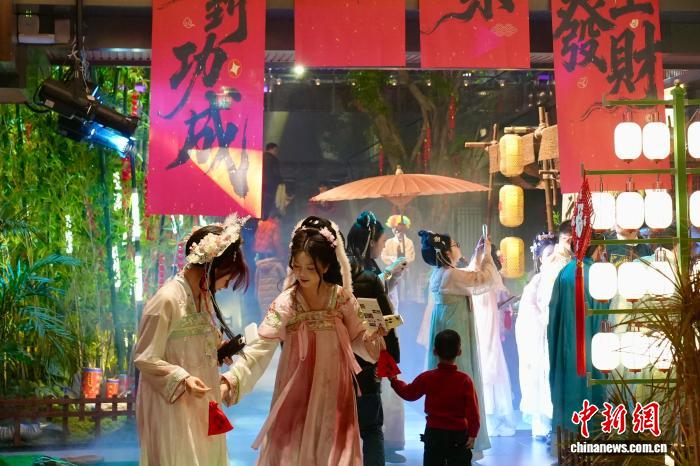
Core Insights - The article discusses the rise of immersive traditional Chinese dining experiences during the Spring Festival, highlighting the integration of food, culture, and entertainment in restaurants like "Yuzhang Banquet" in Nanchang [1][3]. Group 1: Market Trends - The trend of traditional Chinese dining is gaining popularity, with topics like "immersive traditional restaurants" and "cultural dining shows" trending on social media platforms like Douyin, accumulating over 6.31 million views [1]. - Various themed restaurants across China, such as "Gong Banquet" in Beijing and "Shu Banquet" in Chengdu, are showcasing stories from different dynasties, indicating a nationwide interest in cultural dining experiences [3]. Group 2: Customer Experience - Customers are engaging in multi-faceted experiences at these restaurants, such as dressing in traditional attire, participating in market activities, and enjoying performances, which enhances the overall dining experience [1][3]. - The "Yuzhang Banquet" features a unique dining format where each dish is paired with a performance, creating a comprehensive cultural dining experience that attracts a daily footfall of over 1,000, with around 70% of patrons being from outside the local area [3]. Group 3: Challenges and Opportunities - Despite the popularity, there are concerns regarding the pricing of these dining experiences, which range from 200 to 700 RMB per person, and the potential for these venues to become one-time visit locations [5]. - Experts suggest that restaurants should enhance service quality and delve deeper into local cultural elements to ensure that customers not only dine but also genuinely experience the culture of the region [5].

《何以东郊》书写工业遗迹的诗意重生
Xin Lang Cai Jing· 2026-01-12 18:00
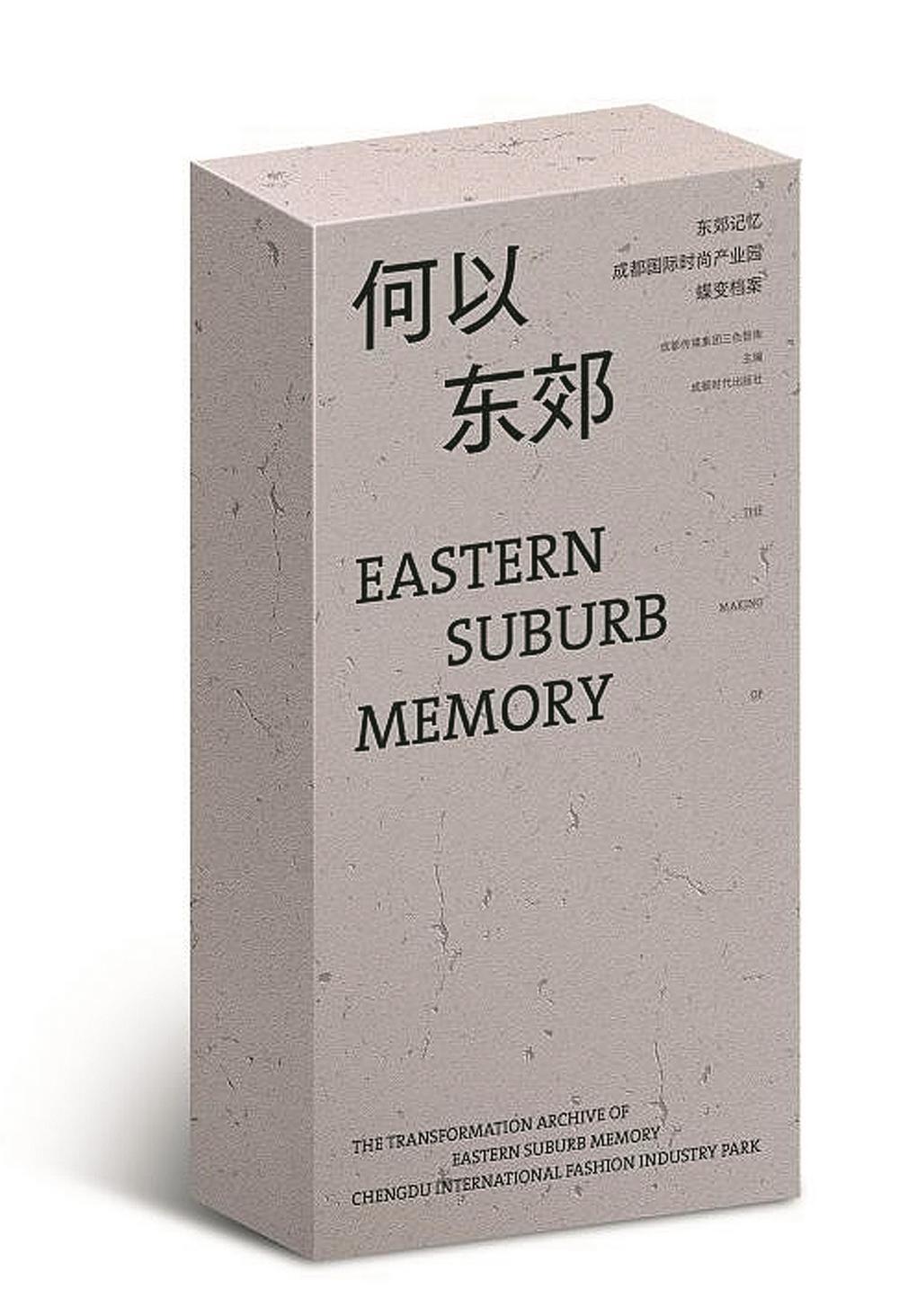
Core Viewpoint - The revitalization of industrial relics is a significant measure of urban cultural depth, with the book "What Makes the East Suburb" documenting the transformation of Chengdu's East Suburb from an industrial base to an international fashion industry park, providing a model for the activation of industrial heritage in China [2][7]. Group 1: Transformation Process - The book captures the journey of East Suburb's transformation through a year-long research process, focusing on three core aspects: origins, current state, and future prospects, utilizing diverse methods such as image-text collection and interviews [3]. - It employs a narrative structure that avoids linear storytelling, instead addressing external changes, internal transformations, and shifts in cultural essence, creating a multi-dimensional writing framework [3][4]. Group 2: Cultural Activation - The book emphasizes the activation of local culture, showcasing Chengdu's lifestyle and attitudes through innovative experiences, such as a Han culture-themed dining experience that merges traditional elements with modern immersive settings [5]. - It highlights the integration of local culture with international trends, demonstrating how street culture and industrial aesthetics can coexist in the revitalized spaces [5][6]. Group 3: Development Logic - The East Suburb's development logic is characterized by an "open and symbiotic" approach, combining local roots with international perspectives, and breaking traditional development bottlenecks through innovative mechanisms [6]. - The introduction of renowned international design companies and hosting of global events have transformed the area into a platform for cross-cultural dialogue, reinforcing its modernity and relevance [6]. Group 4: Urban Spirit - The book serves as a window into understanding Chengdu and the practice of modernization in China, portraying a collective urban spirit through the stories of individuals who contributed to the industrial legacy and its transformation [7]. - It encapsulates the essence of Chengdu's industrial development and urban renewal, providing valuable insights for other cities looking to activate their industrial heritage [7]. Group 5: Design and Presentation - The book's design is notable for its unique approach, using a "gray brick" concept to reflect the industrial heritage, enhancing the reader's tactile experience and connection to the historical context [8].
上半年客流量突破800万,东郊记忆展演、文化、跨界共生激活消费|四川经济热观察
Sou Hu Cai Jing· 2025-07-20 11:12
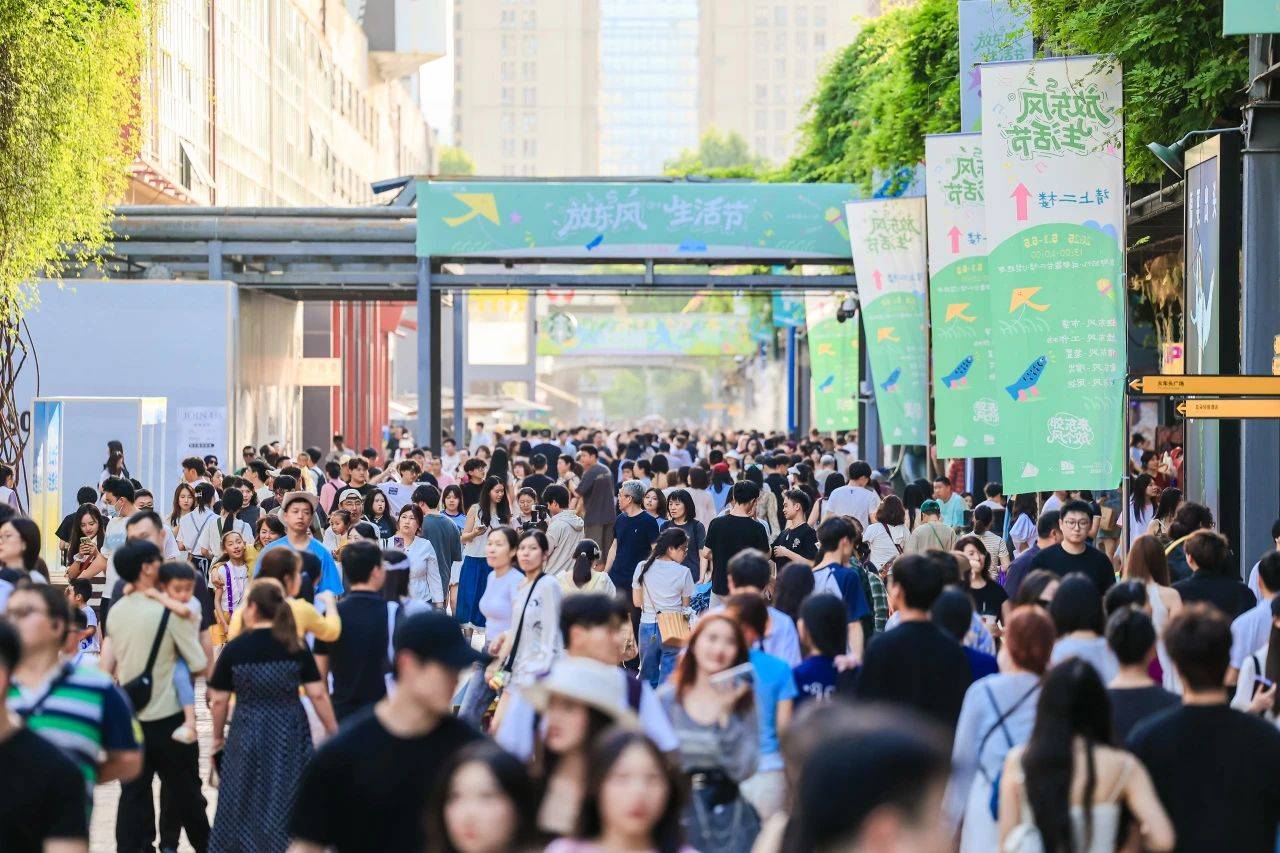
Economic Performance - Sichuan Province's GDP grew by 5.6% year-on-year in the first half of the year, with an acceleration of 0.1 percentage points compared to the first quarter [1] - The service sector's value added increased by 6.0%, contributing 62.3% to the overall economic growth [1] Consumer Trends - Chengdu's Dongjiao Memory Park has seen a significant increase in visitor numbers, with over 800 million visitors in the first half of 2025, following a trend of rapid growth [1] - During the May Day holiday, the park received over 600,000 visitors, a year-on-year increase of 15.6% [1] New Consumption Models - The park has introduced over 300 businesses in music, fashion, and other sectors, contributing to a vibrant consumer environment [3] - The opening of the 3rd Warehouse has attracted a diverse range of niche brands, enhancing the park's appeal [5][8] Cultural Integration - Dongjiao Memory Park combines festival economies with public art, creating a unique cultural experience that attracts visitors [9] - The park's public music initiative has hosted 106 performances, expanding the cultural offerings available to the public [11] Real Estate and Commercial Development - The park is part of a broader trend in Chengdu's real estate market, with innovative commercial spaces that integrate various entertainment and leisure activities [13] - The local government emphasizes the development of distinctive commercial landmarks to enhance urban consumption [13]
“老出新”“新到潮” 成都文旅不断拓展新空间
Si Chuan Ri Bao· 2025-06-24 07:25
Core Insights - The article highlights the revitalization of cultural tourism in Chengdu, showcasing the integration of traditional culture with modern technology and experiences [3][7]. Group 1: Du Fu Thatched Cottage - The Du Fu Thatched Cottage Museum is experiencing a surge in visitor numbers, with over 7.2 million visitors expected in 2024 and an industry revenue of over 46 million yuan [4]. - The museum is utilizing modern exhibition techniques, such as holographic projections and immersive poetry experiences, to engage visitors and bring poetry to life [4][5]. - New initiatives include a poetry recitation challenge and the introduction of an "AI Du Fu" for enhanced visitor interaction, along with AI translation services supporting 14 languages [5]. Group 2: Eastern Suburb Memory - The Eastern Suburb Memory park features a unique immersive dining experience called "Shu Yan Fu," which combines traditional Han culture with modern performance art, attracting over 290,000 visitors in two years, with 30% being international tourists [6]. - The 1807 brand, located within the park, is blending street culture with artistic elements, showcasing Sichuan cultural elements in its fashion offerings at international events [6]. - The integration of traditional culture with contemporary trends is seen as a key driver for cultural tourism, enhancing the overall visitor experience in Chengdu [7].