国兰

Search documents
先睹为快!景山的春天悄悄上线了
Xin Lang Cai Jing· 2026-02-22 11:46
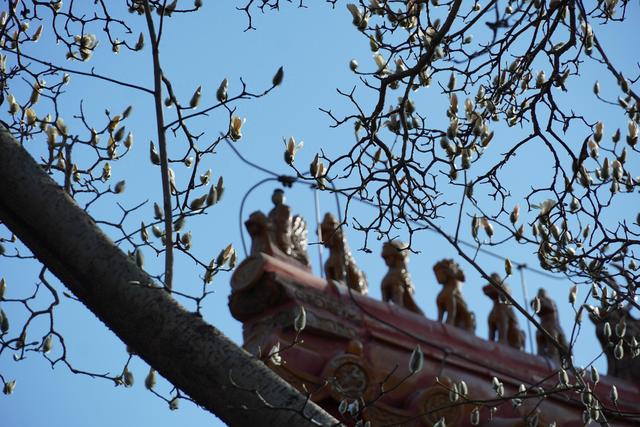
Group 1 - The article highlights the arrival of spring at Jingshan Park, with early signs of blooming flowers such as the Yulan magnolia and the wax plum, enhancing the park's beauty [1] - The article mentions that the seasonal flowers, including peonies, orchids, and camellias, are in full bloom at the Science Popularization House, creating a vibrant spring atmosphere [1] - Visitors are reminded to appreciate the flowers respectfully by not touching them or occupying space for extended periods while taking photos [1]

花市有新事
Xin Lang Cai Jing· 2026-02-20 23:48
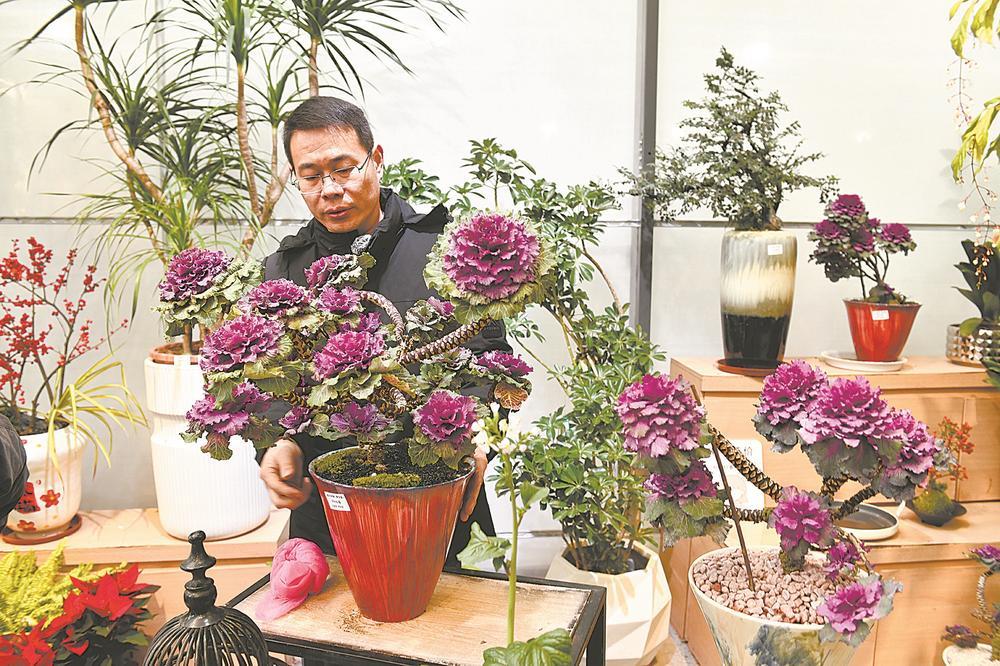
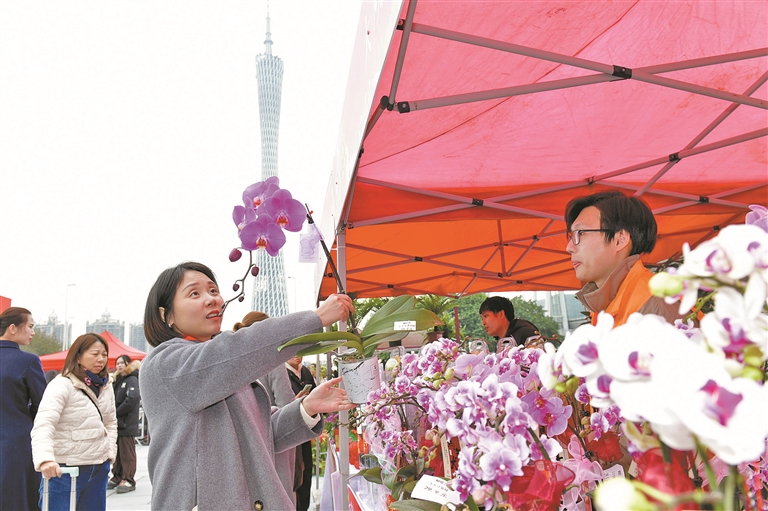
Group 1 - The core viewpoint of the articles highlights the transformation and innovation within the flower market in Fujian, particularly during the Lunar New Year, showcasing a blend of traditional and modern elements in floral offerings [1][2][3] - The butterfly orchid remains a top seller in the New Year flower market, with new color variations and combinations appealing to younger consumers, indicating a shift in consumer preferences [2] - The introduction of creative products like the "Winter Rose," which is actually a purple cabbage, exemplifies the innovative spirit in the flower market, attracting a new generation of flower enthusiasts [1][2] Group 2 - The integration of technology in the flower industry is evident, with businesses utilizing online platforms and social media to enhance customer engagement and sales, reflecting a shift towards e-commerce in the floral sector [3] - The transformation of the Fuzhou High-Speed Flower Expo Park into a multifunctional space for leisure and education demonstrates a successful adaptation of unused land into a vibrant floral hub, promoting ecological and industrial development [3] - The "14th Five-Year Plan" has led to the authorization of 405 new flower varieties in Fujian, showcasing the province's commitment to innovation and quality in the floral industry [2]
花开御园·福马迎新—北海公园首届年宵花展启幕
Xin Lang Cai Jing· 2026-02-14 08:16
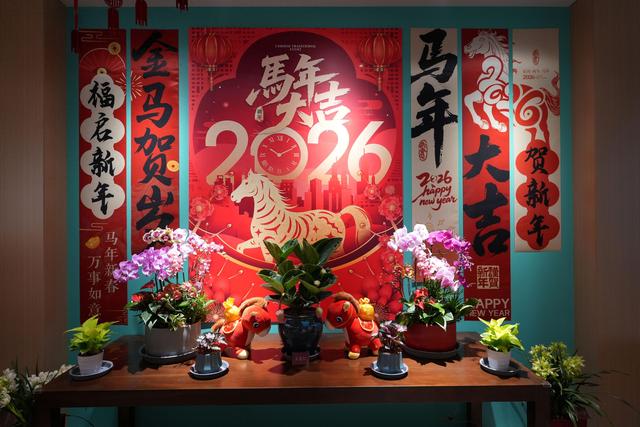
Core Viewpoint - The first New Year flower exhibition at Beihai Park has opened, showcasing a variety of flowers that blend the essence of winter with the festive spirit of the upcoming Spring Festival [1] Group 1: Exhibition Overview - The exhibition is held at the Bihai Tower and Chanfu Temple, featuring diverse forms and innovative flower colors to invigorate the New Year flower market [3] - The Bihai Tower area presents 20 categories and over 50 varieties, totaling 181 pots of flowers [3] - The Chanfu Temple area displays over a hundred types of floral plants and over a thousand individual plants, including 30 pots of off-season specimen chrysanthemums and nearly a hundred water lily works [3] Group 2: Featured Flowers - The exhibition highlights new flower varieties, showcasing innovative breeding and diverse colors that reflect deep cultural heritage [5] - The "Xiangya Qingyun" series includes elegant varieties such as Dream Orchid, Romantic Chrysanthemum Butterfly Orchid, National Orchid, and Water Lily [5] - The "Latin Dance Skirt" butterfly orchid features unique black petals, paired with classic "Phoenix Bird" and "Rog" to create a striking visual contrast [5] Group 3: Unique Characteristics - The exhibition includes both grand "Dragon Orchid" and delicate "Palm Orchid," demonstrating the diverse exploration in orchid cultivation [7] - The "Golden Jade Lotus," set to launch in 2026, is a notable hybrid that combines Spring Orchid and large-flowered Cymbidium, representing a new standard for national floral varieties [10] - This new variety is robust, with symmetrical flower shapes, retaining the elegant fragrance of national orchids while significantly extending the flowering period [10] Group 4: Exhibition Design - The Chanfu Temple features two exhibition rooms with different styles: the west room adopts a "journey-style" layout, presenting a continuous narrative through carved water lilies and floral arrangements [12] - The east room is designed as an interactive Spring Festival garden party, cleverly combining New Year flowers with auspicious blessings to create a lively and joyful atmosphere [12]
广州举办年花营销暨招商推介活动 发布“2026广州年花藏宝图”
Guang Zhou Ri Bao· 2026-01-24 02:01
Core Viewpoint - The "Guangzhou Year Flower Marketing and Investment Promotion Activity" aims to promote local flower industry and enhance consumer engagement through various interactive experiences and a comprehensive guide for purchasing year flowers in 2026 [2][4]. Group 1: Event Overview - The event was held on January 23, organized by the Guangzhou Agricultural and Rural Bureau in collaboration with the Municipal Supply and Marketing Cooperative, featuring a flower exhibition and marketing initiative [2]. - The event showcased Guangzhou's top ten year flowers and introduced the "2026 Guangzhou Year Flower Treasure Map" to promote local culture and attract investment [2][4]. Group 2: Flower Supply and Products - The supply of year flowers in Guangzhou is projected to reach 20 million pots by 2026, significantly meeting consumer demand [4]. - Local flower companies presented a variety of products, including classic year flowers like butterfly orchids and kumquats, as well as innovative offerings such as mini kumquats and carnivorous plants to attract younger consumers [4]. Group 3: Interactive Features and Consumer Engagement - The event included various interactive activities such as flower arrangement performances, flower pressing experiences, and an AI-flower innovation space, enhancing consumer participation and driving on-site sales [4]. - The "Treasure Map" offers four main functions: guiding consumers to purchase flowers, facilitating bulk procurement for businesses, providing scenic flower routes, and sharing stories about the top ten year flowers [5][7]. Group 4: Industry Support and Initiatives - The Guangzhou Flower Industry Association promoted the top ten year flowers, which include butterfly orchids, red palms, and peach blossoms, among others [7]. - The Municipal Supply and Marketing Cooperative plans to offer a Spring Festival gift package at wholesale prices and Guangzhou Post will provide discounted delivery services to help residents send festive items home [7].
一图揽尽花城春!广州举办2026年花营销暨招商推介活动
Nan Fang Nong Cun Bao· 2026-01-23 11:03
Core Viewpoint - The Guangzhou Spring Flower Marketing and Investment Promotion Event aims to enhance the brand value of Guangzhou's annual flowers and attract investment and collaboration from various sectors [5][36]. Group 1: Event Overview - The event features a flower exhibition space and promotes the top ten annual flowers produced in Guangzhou, including the release of the "2026 Guangzhou Annual Flower Treasure Map" [4][5]. - The event includes interactive activities such as flower arrangement performances, AI+flower innovation spaces, and special discounts to attract participation from citizens and tourists [11][12]. Group 2: Annual Flower Promotion - The "2026 Guangzhou Annual Flower Treasure Map" serves multiple functions, including guiding consumers to purchase flowers, facilitating bulk procurement, providing scenic routes for flower appreciation, and sharing cultural stories behind the flowers [17][21][31]. - The top ten annual flowers promoted include Butterfly Orchid, Red Palm, National Orchid, and others, selected based on market share, local production, and cultural significance [38][40]. Group 3: Economic Impact and Support - The event aims to inject strong momentum into the "flower economy," with financial services from local banks and support from platforms like Douyin to enhance online market performance [46][48]. - Guangzhou's flower industry is positioned as a significant investment opportunity, with a production area of approximately 300,000 acres and an annual output of over 436 million pots of flowers, contributing to a market scale exceeding 30 billion [72][73]. Group 4: Innovation and Development - The Guangzhou Agricultural and Rural Bureau emphasizes the importance of innovation in driving the flower industry's upgrade, with plans for new plant variety rights and the introduction of AI systems for flower production [74][75]. - The event showcases successful investment practices from local companies, highlighting the advantages of Guangzhou in terms of research, production technology, and market reach [55][60].

岭南花香飘世界!广东花卉行销80多个国家和地区
Nan Fang Nong Cun Bao· 2026-01-21 01:01
Core Viewpoint - Guangdong's flower industry has developed into a significant cultural and economic force, exporting to over 80 countries and regions, and is projected to continue its growth trajectory in both domestic and international markets [9][80]. Industry Overview - The flower market in Guangdong is deeply rooted in local culture, with a strong tradition of purchasing flowers during festivals, which has evolved into a billion-dollar industry [8][14]. - In 2024, Guangdong's production of potted ornamental plants is expected to reach 876 million pots, accounting for approximately 22% of the national total, highlighting its status as a major flower-producing province [33][34]. Market Dynamics - The flower industry in Guangdong has embraced digital transformation, integrating online and offline sales channels to enhance market reach and consumer engagement [57][68]. - Live streaming e-commerce has become a key sales channel, with significant daily sales volumes achieved through platforms like Douyin and Meituan, which now account for a substantial portion of online flower retail [71][72]. Export Performance - In 2024, Guangdong's flower export volume is projected to represent 27.08% of the national total, with an export value of approximately $5.16 billion, making it a leading province for tropical ornamental plants and orchids [81][82]. - The flower export market is diversifying, with products primarily sold to Southeast Asian countries and expanding into high-end markets in Europe and the United States [94][96]. Cultural Significance - The flower culture in Guangdong is not only a commercial activity but also a vital part of local identity, with historical roots dating back to the Ming Dynasty, showcasing the region's rich cultural heritage [19][20]. - The integration of cultural elements into flower markets has created vibrant consumer experiences, combining shopping with entertainment and social interaction [74][75].
小寒大寒,究竟哪个更冷?
Xin Lang Cai Jing· 2026-01-03 02:48
Core Viewpoint - The article discusses the differences between the solar terms "Xiao Han" (Minor Cold) and "Da Han" (Major Cold), highlighting that despite their names, the actual temperature data often shows that Xiao Han is colder than Da Han in many regions of China [1][2]. Group 1: Temperature Comparison - Xiao Han marks the beginning of severe cold, while Da Han represents the accumulation of cold [1]. - Meteorological data indicates that during Xiao Han, average temperatures in Beijing range from -5 to -10 degrees Celsius, while Da Han is typically 1 to 2 degrees warmer [2]. - In the Yellow River basin, extreme low temperatures during Xiao Han can drop below -10 degrees Celsius [2]. Group 2: Climate Dynamics - The colder temperatures during Xiao Han are attributed to the strong cold air masses and the "lag effect" of ground heat loss [2]. - After the winter solstice, the ground continues to lose heat, leading to the lowest temperatures being recorded during Xiao Han [2]. - By Da Han, although cold air activity remains, the average temperature slightly increases due to longer daylight and increased solar radiation [2]. Group 3: Regional Variations - In northern China, the cold is characterized as "dry cold," with temperatures often dropping to -20 or -30 degrees Celsius [3]. - In southern China, the cold is described as "wet cold," with temperatures typically between 0 and 10 degrees Celsius during Xiao Han, but more frequent cold air activity during Da Han can lead to lower temperatures [3]. - The perception of cold varies regionally, with southern areas experiencing more discomfort due to humidity and precipitation during Da Han [3]. Group 4: Cultural Significance - Xiao Han symbolizes a period of hidden strength, while Da Han signifies a turning point towards the arrival of spring [3]. - Both terms reflect ancient Chinese sensitivity to seasonal changes and respect for nature [3].
国内首个兰花AI“兰先生”上线 打造兰花产业“百科全书”
Xin Hua Wang· 2025-08-12 06:13
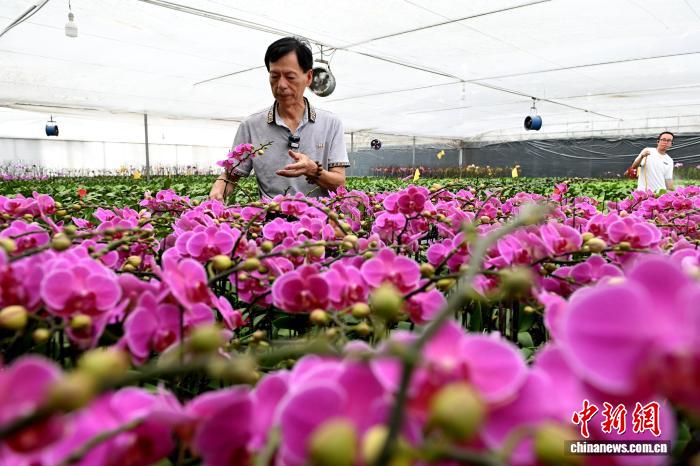
Group 1 - The orchid industry in Zhaoqing, Guangdong, is a significant contributor to the local economy, with an annual output value of approximately 600 million yuan and a cultivation area of about 10,000 acres [1] - Zhaoqing is the largest orchid planting base in the Guangdong-Hong Kong-Macao Greater Bay Area, featuring over 200 varieties across four major series: national orchids, foreign orchids, hybrid orchids, and butterfly orchids [1] - China Pacific Insurance's Zhaoqing branch provides risk protection of around 16 million yuan for the orchid industry [1] Group 2 - The launch of the AI dialogue robot "Mr. Orchid" is a significant innovation aimed at addressing challenges in the traditional orchid industry, such as difficulties in cultivation, sales, and purchasing [3] - "Mr. Orchid" integrates extensive professional knowledge and market information about orchids, allowing industry practitioners to interact via WeChat for personalized solutions [3] - The AI robot aims to serve as a comprehensive resource for orchid production and management, providing 24-hour support for agricultural modernization [3] Group 3 - China Pacific Insurance's support for "Mr. Orchid" is part of a broader strategy to accelerate the digital transformation of the orchid industry [4] - The company plans to collaborate with various government departments to develop an "1+N" AI robot matrix to promote high-quality agricultural development in Zhaoqing [4]

台胞“登陆”二十六载 “中国兰花之乡”深耕“美丽事业”
Zhong Guo Xin Wen Wang· 2025-08-04 01:53
Core Insights - The article highlights the success of Taiwanese entrepreneur Wang Yaozong in the orchid cultivation industry in Fujian, China, particularly focusing on the butterfly orchid, which he believes has significant market potential due to the large population in mainland China [1][3]. Company Overview - Wang Yaozong established Tian Nong Orchid Garden in 1999 after falling in love with butterfly orchids during his first visit to Fujian [1]. - The garden spans over 30 acres in Nanjing County, with a high-standard temperature-controlled greenhouse of 5,000 square meters, producing nearly 300,000 butterfly orchids annually, along with other varieties like mini Cattleya and Dendrobium [3][4]. Market Potential - The orchid market in mainland China is expected to grow due to the increasing living standards and aesthetic appreciation among the population [5]. - Wang Yaozong's confidence in the market is reflected in his plans to expand beyond Fujian and enhance online sales through e-commerce strategies [3][5]. Government Support - Local government support, including financial subsidies and technical assistance, has played a crucial role in the development of Wang Yaozong's business, allowing for the purchase of modern equipment that enhances orchid cultivation [3][5]. Community and Collaboration - The establishment of the Nanjing Taiwan Farmers' Entrepreneurship Park, which focuses on orchid and other plant cultivation, fosters collaboration among Taiwanese farmers in the region, promoting knowledge sharing and innovation [5]. - Annual orchid exhibitions in Zhangzhou serve as a platform for cross-strait orchid enthusiasts to exchange ideas and explore development opportunities [5].