行业洞察

Search documents
欢迎报名参加Counterpoint 2026 科技生态与半导体产业洞察上海线下研讨会
Counterpoint Research· 2026-03-19 04:45
Core Insights - The article emphasizes the accelerating transition of AI towards "agentic AI" and "physical AI" by 2026, significantly impacting global storage and semiconductor manufacturing, altering supply-demand structures, capacity layouts, pricing, and competitive strategies [5]. Event Information - The Counterpoint Research seminar will provide insights into the AI ecosystem and its implications for various industries, focusing on the critical inflection points in 2026 [7][9]. - The event is scheduled for March 24, 2026, at the Grand Hyatt Shanghai, featuring discussions on key drivers such as smart cities, humanoid robots, and autonomous driving [8]. Agenda Highlights - The seminar will cover six main topics: 1. AI ecosystem and its transformative impact [7]. 2. The rhythm of embodied intelligence and key driving factors [8]. 3. Trends in manufacturing and market dynamics, including wafer foundry capacity and pricing [8]. 4. New cycles in storage, including price outlook and vendor strategies [8]. 5. The evolving landscape of edge AI, with mobile devices remaining central [8]. 6. The role of generative AI in advancing robotic intelligence and its implications for computational needs [14]. Speaker Profiles - Marc Einstein, Director of AI Research, will discuss the implications of agentic AI on the industry [8]. - Ethan Qi, Deputy Director of Robotics Research, will focus on the evolution of "robot brains" and their computational demands [14]. - Kevin Li, Deputy Director of Automotive Research, will analyze the progress of domestic automotive chips and overall vehicle intelligence [14]. - Jake Lai, Head of Foundry Services, will provide insights into the 2026 foundry market and the structural impacts of AI [14]. - MS Hwang, Director of Storage Research, will discuss storage price trends and their downstream effects [14]. - Shiwen Ma, Analyst in Mobile Research, will explore how AI is reshaping consumer electronics and growth opportunities [14].


Counterpoint Research 中国系列公开线上研讨会 | 新际遇 新技术 新政策
Counterpoint Research· 2026-01-12 02:45
Core Insights - Counterpoint Research is hosting a series of webinars in January 2026 focusing on memory price trends, humanoid robots, and the automotive market dynamics, aimed at helping businesses anticipate industry changes and seize emerging opportunities [4][18]. Group 1: Memory Price Trends - The global memory market has experienced unprecedented fluctuations, with a projected price increase of 40%-50% by Q4 2025, driven by a significant shift in supply and demand dynamics due to strong demand for high-end memory from AI data centers and high-performance computing [10]. - Traditional memory types like LPDDR4 and DDR4 are facing supply shortages, leading to price inversion in the market [10]. - The webinar will explore supply-demand dynamics, pricing drivers, and their impact on OEMs and the broader technology ecosystem [10]. Group 2: Humanoid Robots - The humanoid robot market is expected to see significant growth, with a projected compound annual growth rate (CAGR) of 69.7% from 2025 to 2030, driven by expanded application scenarios, enhanced AI capabilities, and reduced hardware costs [13]. - The upcoming webinar will delve into the core technologies and definitions of humanoid robots, future application scenarios, market potential, and supply chain opportunities [17]. Group 3: Automotive Market Insights - The Chinese automotive market is undergoing a critical transformation driven by both policy and technology, with opportunities and challenges expected in 2026 [18]. - The webinar will feature insights from industry experts on market structure and sales trends, providing a unique macro perspective on the automotive landscape [16].

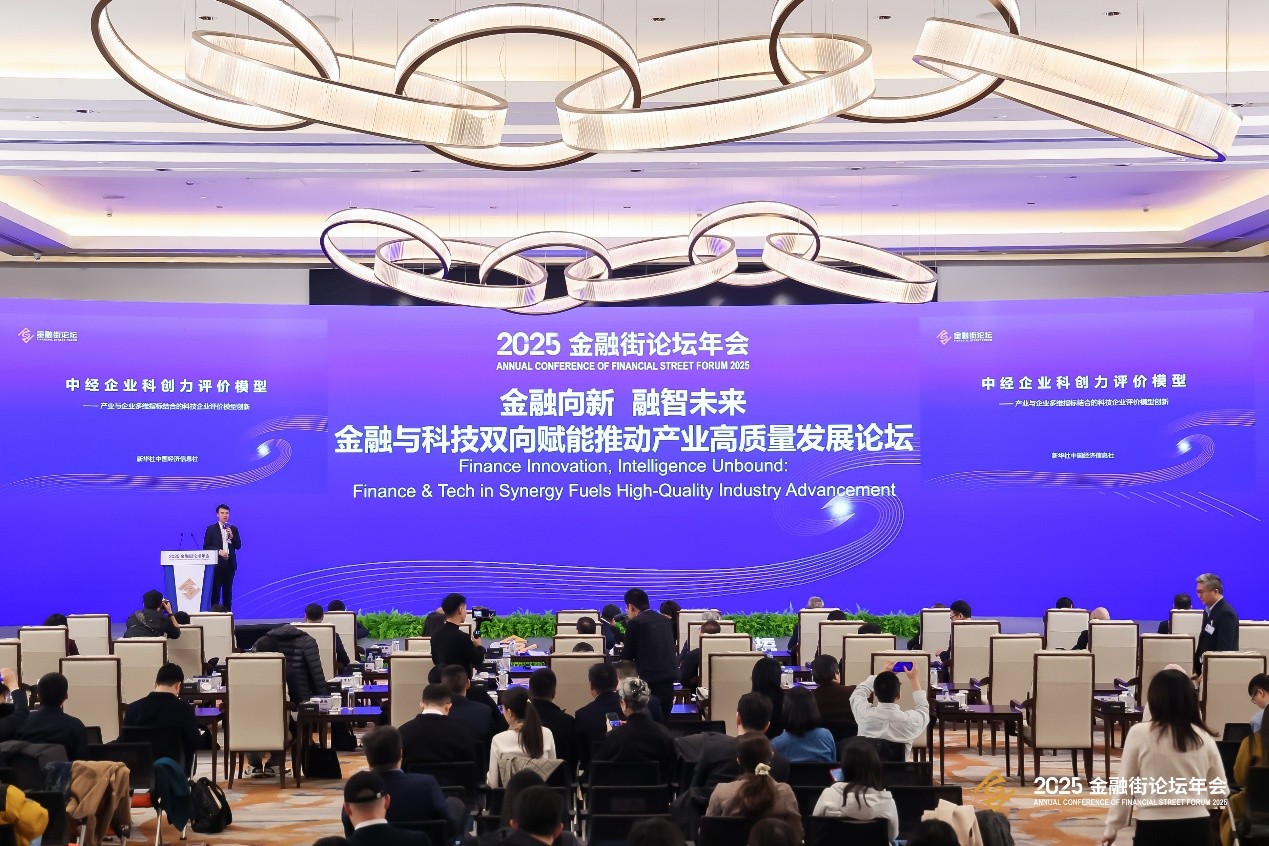
中经社发布企业科创力评价模型 多维度创新赋能科技型企业洞察
Xin Hua Cai Jing· 2025-10-29 14:11
Core Viewpoint - The "China Economic Information Agency" has launched the "Enterprise Innovation Capability Evaluation Model" to address the challenges in objectively assessing the capabilities of technology enterprises, which is increasingly demanded by financial institutions and government departments [2]. Group 1: Model Overview - The model utilizes a proprietary "Industry Insight" data service platform, integrating expert experience and machine learning to evaluate over 2.6 million technology enterprises [1]. - It focuses on improving the evaluation of technology enterprises by addressing pain points such as the quantification of "soft power" indicators like patent quality and R&D efficiency [2]. Group 2: Data Integration and Evaluation Logic - The model enhances traditional patent quantity statistics by integrating detailed patent data, emphasizing quality and impact, and introducing various metrics such as technology field concentration and global patent layout [2]. - It employs a "shareholding penetration" function to consolidate innovation data from parent and subsidiary companies, providing a comprehensive view of a corporate group's innovation capabilities [2]. Group 3: Industry-Specific Evaluation - The model considers the technological characteristics and developmental stages of different industries, utilizing a proprietary enterprise industry chain labeling system to create differentiated evaluation standards [6]. - It addresses the evaluation challenges for early-stage startups in critical fields by adapting to industry lifecycle logic, ensuring that their technological strategic value and growth potential are accurately assessed [6]. Group 4: Application and Impact - The model has already been applied in some financial institutions and government economic departments, aiming to support the dual-driven growth engine of technology and finance in the digital era [6].