
西瓜子

Search documents
怎样吃瓜子更健康?吃到这种瓜子立马吐出来
Xin Lang Cai Jing· 2026-02-21 07:58
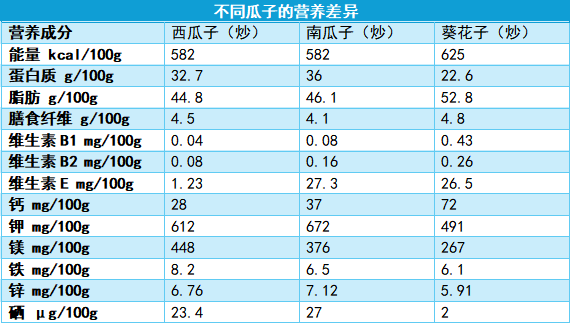
Core Insights - The article discusses the cultural significance and nutritional benefits of various types of seeds, particularly sunflower seeds, watermelon seeds, and pumpkin seeds, which are popular snacks during the New Year celebrations in China. Nutritional Comparison - Watermelon seeds contain 8.2mg of iron per 100g, which is 1.3 times that of sunflower seeds, and have a potassium content of 612mg per 100g, placing them in the upper-middle range among nuts [3] - Pumpkin seeds have the highest protein content at 36g per 100g, which is 1.6 times that of sunflower seeds and 1.1 times that of watermelon seeds. They also boast the highest potassium content at 672mg per 100g, nearly 1.4 times that of sunflower seeds [3] - Sunflower seeds are rich in vitamin E, with a content of 26.46mg per 100g, which is 21.5 times that of watermelon seeds. They also have a notable vitamin B1 content of 0.43mg per 100g, significantly higher than that of the other two types [4] Nutritional Data Summary - The energy content for watermelon seeds is 582 kcal/100g, while pumpkin seeds have 582 kcal/100g and sunflower seeds have 625 kcal/100g. Protein content is highest in pumpkin seeds (36g), followed by watermelon seeds (32.7g) and sunflower seeds (22.6g) [5] - The fat content is highest in sunflower seeds at 52.8g, followed by pumpkin seeds at 46.1g and watermelon seeds at 44.8g. Dietary fiber is relatively similar across the three types, with sunflower seeds at 4.8g, watermelon seeds at 4.5g, and pumpkin seeds at 4.1g [5] Consumption Guidelines - The recommended intake of nuts, including seeds, is 50-70 grams per week, averaging about 10 grams per day, which is equivalent to 1.5-2 handfuls of seeds in their shells [8] - It is advised to choose original flavor seeds over flavored varieties, as the latter may mask any off-flavors that indicate spoilage, and they often contain high levels of sugar and salt, which are not heart-healthy [10] - Consumers should immediately discard any seeds that taste bitter or rancid, as these may indicate spoilage and potential health risks [10]

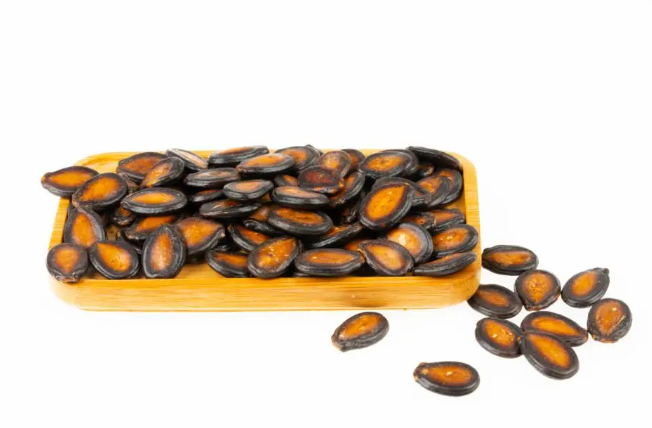
这种瓜子有毒还致癌,吃到了立马吐出来!
Xin Lang Cai Jing· 2026-02-20 23:48
Core Viewpoint - The article discusses the cultural significance and nutritional benefits of various types of melon seeds, particularly during the New Year celebrations, emphasizing their role as a popular snack and their health advantages. Group 1: Types of Melon Seeds - Melon seeds encompass a variety of types, including sunflower seeds, watermelon seeds, and pumpkin seeds, each with distinct nutritional profiles [3][4]. - Watermelon seeds, primarily from the gourd variety, are noted for their high iron content of 8.2 mg/100g, which is 1.3 times that of sunflower seeds, and potassium content of 612 mg/100g, placing them in the upper range among nuts [5]. - Pumpkin seeds have the highest protein content at 36 mg/100g, which is 1.6 times that of sunflower seeds, and the highest potassium content at 672 mg/100g, along with significant amounts of zinc and selenium [6]. - Sunflower seeds are rich in vitamin E at 26.46 mg/100g, which is 21.5 times that of watermelon seeds, and have a notable vitamin B1 content of 0.43 mg/100g, significantly higher than the other two types [7]. Group 2: Nutritional Comparison - A detailed comparison of nutritional values per 100g shows: - Watermelon seeds: 582 kcal, 32.7g protein, 44.8g fat, 4.5g dietary fiber, 612mg potassium [8]. - Pumpkin seeds: 582 kcal, 36g protein, 46.1g fat, 4.1g dietary fiber, 672mg potassium [8]. - Sunflower seeds: 579 kcal, 22.6g protein, 52.8g fat, 4.8g dietary fiber, 491mg potassium [8]. Group 3: Consumption Guidelines - The article advises limiting nut consumption to 50-70 grams per week, translating to about 10 grams daily, which is equivalent to 1.5-2 handfuls of seeds [13]. - It recommends choosing original flavor seeds over flavored varieties to avoid hidden risks of mold and high sugar or salt content, which can negatively impact cardiovascular health [14]. - Consumers are urged to discard any seeds that taste bitter or rancid immediately, as these may indicate spoilage and potential health risks [15].
保护血管、延缓衰老!春节大家都爱吃,它的好处真不少!但吃的时候注意5点
Xin Lang Cai Jing· 2026-02-16 03:39
Core Insights - The article emphasizes the popularity and health benefits of sunflower seeds, watermelon seeds, and pumpkin seeds during the Spring Festival, highlighting their nutritional values and potential health effects. Group 1: Nutritional Benefits of Different Seeds - Watermelon seeds are rich in iron (8.2mg/100g) and potassium (612mg/100g), offering benefits such as antioxidant properties and improved vascular health [1] - Pumpkin seeds have the highest protein content (36g/100g) and potassium (672mg/100g), along with significant amounts of zinc (7.12mg/100g) and selenium (27μg/100g), which are crucial for immune function and metabolism [2] - Sunflower seeds contain high levels of vitamin E (26.46mg/100g) and vitamin B1 (0.43mg/100g), contributing to antioxidant effects and overall health [3] Group 2: Health Effects and Recommendations - Consuming sunflower seeds can enhance mood by triggering dopamine release, leading to feelings of happiness [4] - The presence of tryptophan in sunflower seeds aids in serotonin production, promoting positive emotions [5] - Sunflower seeds can help regulate emotions and alleviate symptoms of depression and anxiety [6] Group 3: Consumption Guidelines - The recommended daily intake of sunflower seeds is about 25 grams (approximately one small handful) [10] - It is advised to consume seeds without their shells to protect dental health and avoid digestive issues [14] - Choosing original flavor seeds without added seasonings maximizes nutritional benefits [15] Group 4: Additional Tips - If experiencing discomfort from consuming seeds, a herbal tea made from Mai Dong and Huang Ju Hua can help alleviate symptoms [17] - Seeds can also be incorporated into dishes, such as shrimp balls, for added flavor and nutrition [19]