谢添地牛奶

Search documents
“牛奶爱马仕”,高端泡沫破了
Feng Huang Wang Cai Jing· 2025-12-29 07:35
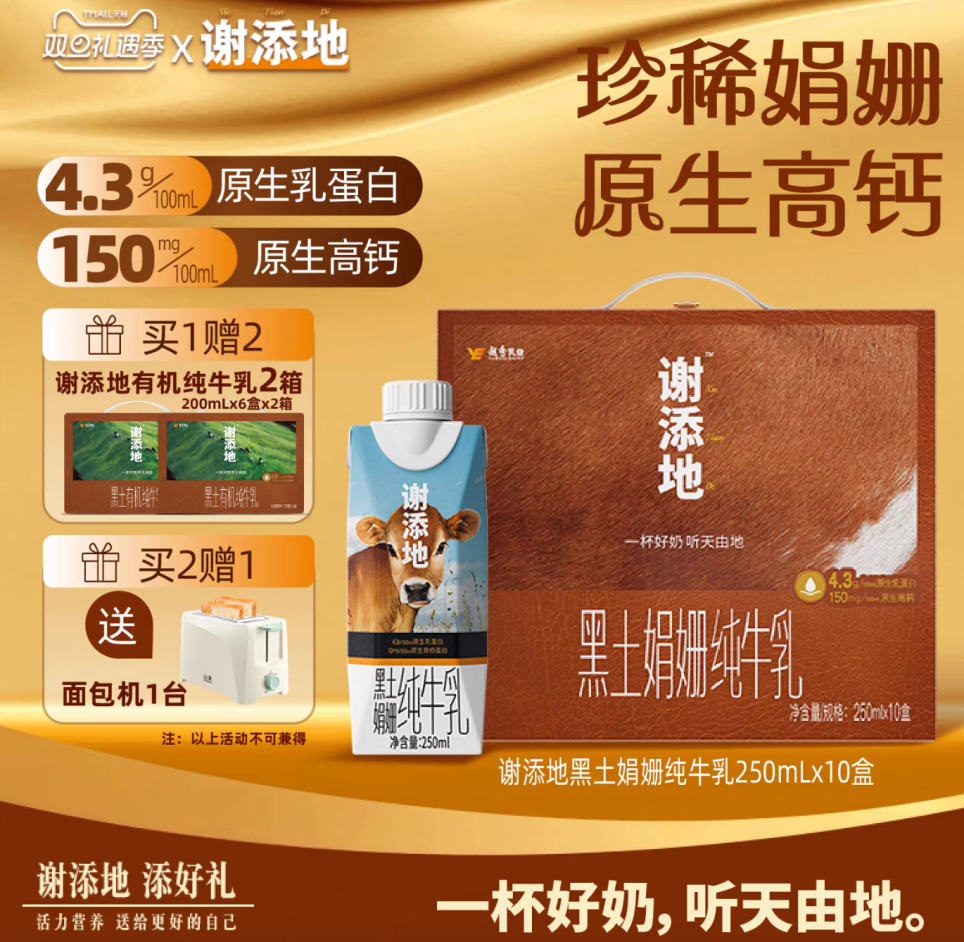
Core Insights - The brand "谢添地," marketed as the "Hermès of milk," has seen a significant price drop from its initial high-end positioning, with products now available in the "3 yuan" range [1][2][5] - The company, 越秀辉山, initially invested heavily in marketing and sponsorships to promote "谢添地," but the brand has struggled to maintain its high-end image and sales [9][10] Pricing Strategy - Upon its launch in December 2024, "谢添地" offered two premium products priced at 128 yuan and 78 yuan per pack, significantly higher than competitors like 金典 and 特仑苏 [2][4] - By the second half of the year, the brand introduced lower-priced products, with single bottle prices dropping to the 3-4 yuan range, and some products being sold at even lower prices in offline stores [5][7] Market Positioning - "谢添地" aimed to replicate the success of "特仑苏," with its key figure, 白瑛, having previously developed the latter brand [9] - The company has set ambitious revenue targets, aiming for over 10 billion yuan in sales by 2025, but has faced skepticism from consumers regarding its pricing strategy [9][11] Consumer Perception - The brand has struggled to justify its high prices to consumers, leading to questions about its value proposition [10][12] - The high-end positioning of "谢添地" has not resonated with consumers, who often see little differentiation between premium and regular milk products [12][13] Competitive Landscape - The Chinese dairy market is highly concentrated, with the top five companies holding 91% of the market share, making it difficult for new brands to gain traction [11] - "谢添地" faces competition not only from established brands but also from its own parent company's lower-priced products, which undermines its premium pricing strategy [12][13]

“牛奶爱马仕”,高端泡沫破了
首席商业评论· 2025-12-29 04:07
Core Viewpoint - The article discusses the rapid decline in the market performance of the high-end milk brand "谢添地" (Xie Tiandi), which was initially positioned as a premium product but has seen significant price reductions within a year of its launch, indicating a failure to establish a strong market presence and consumer loyalty [4][11][17]. Group 1: Product Pricing and Market Response - "谢添地" was launched in December 2024 with high-end products priced significantly above competitors, such as 12.8 yuan per bottle for its flagship product, which is much higher than similar products from brands like 金典 (Jindian) and 特仑苏 (Telunsu) [4][6]. - By the second half of the year, "谢添地" introduced lower-priced products, with prices dropping to the 3-4 yuan range per bottle, reflecting a shift in strategy to attract more price-sensitive consumers [6][10]. - The brand's initial high-end products have also seen price cuts, with discounts reported in various channels, indicating a struggle to maintain their premium positioning [9][10]. Group 2: Brand Strategy and Market Positioning - The brand was developed with the intention of replicating the success of "特仑苏," led by a key figure from the original brand's development team, highlighting a strategy focused on high-end market capture [12][14]. - "谢添地" invested heavily in marketing, including sponsorship of popular TV shows, with estimated costs around 80 million yuan for naming rights, aiming to quickly establish brand recognition [16]. - Despite these efforts, the brand faced skepticism from consumers regarding its pricing strategy, with some questioning the justification for its high-end positioning [16][17]. Group 3: Market Challenges and Consumer Perception - The article notes that "谢添地" failed to address a critical question: why consumers should pay a premium for its products, especially in a saturated market where established brands dominate [17][18]. - The Chinese dairy market is highly concentrated, with the top five companies accounting for 91% of the market share, making it difficult for new entrants to gain traction [18]. - The brand's marketing approach has been criticized for being outdated, relying on heavy spending and a narrative of scarcity without delivering real differentiation in product quality or consumer value [19].
“牛奶爱马仕”,高端泡沫破了
凤凰网财经· 2025-12-28 12:36
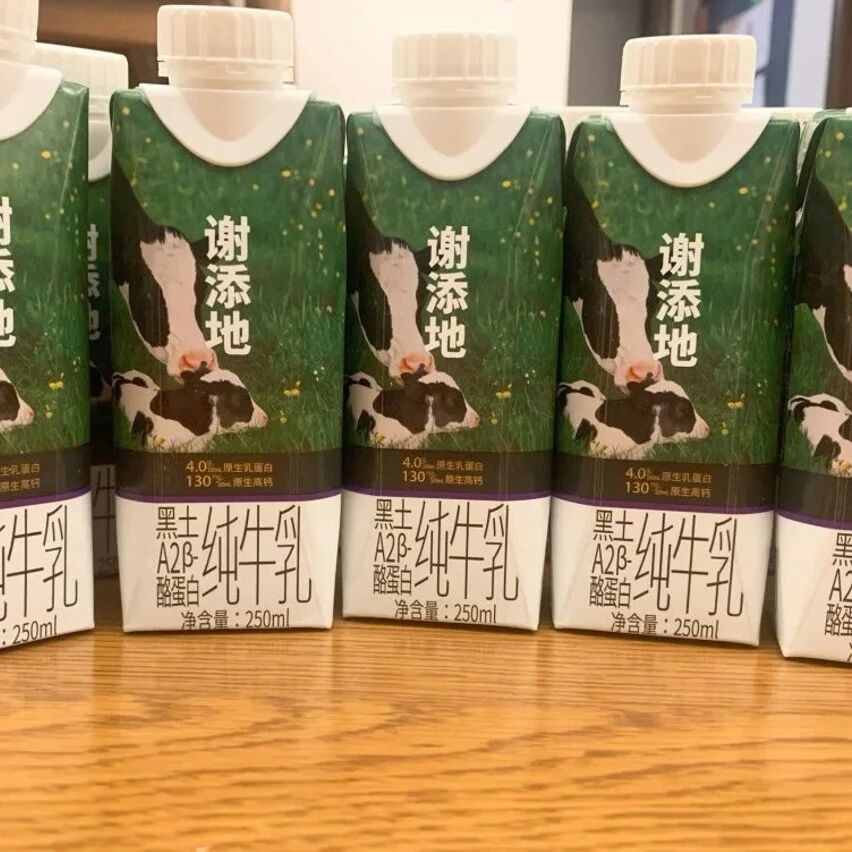
Core Viewpoint - The article discusses the rapid decline in the pricing and market performance of the high-end milk brand "谢添地," which was initially marketed as the "Hermès of milk" but has now introduced products at significantly lower price points, indicating a failure to establish a sustainable premium brand identity in a competitive market [1][2][12]. Group 1: Pricing Strategy and Market Response - "谢添地" launched with high-end products priced at 128 yuan per case (12.8 yuan per bottle) and 78 yuan per case (7.8 yuan per bottle), which were significantly higher than competitors like 金典 and 特仑苏 [2][4]. - By the second half of the year, "谢添地" introduced lower-priced products, with single bottle prices dropping to the 3-4 yuan range, and some products being sold for as low as 3.3 yuan in physical stores [4][5]. - The initial high-end products have also seen price reductions, with discounts leading to prices as low as 4.47 yuan per bottle, indicating a significant shift in pricing strategy [5][6]. Group 2: Brand Positioning and Market Challenges - The brand was developed with the intention of replicating the success of "特仑苏," led by key figure 白瑛, who previously helped establish the latter brand [7][12]. - Despite heavy marketing investments, including sponsorship of popular TV shows, "谢添地" faced skepticism from consumers regarding its high pricing and perceived value [12][14]. - The brand's attempt to position itself as a premium product has been challenged by the saturated market, where the top five companies dominate 91% of the market share, making it difficult for new entrants to gain traction [12][15]. Group 3: Consumer Perception and Market Dynamics - "谢添地" struggles to justify its premium pricing to consumers, who question the necessity of high-end milk products, especially when basic milk meets their nutritional needs [15]. - The brand's marketing strategy has been criticized for relying on outdated tactics of heavy spending and scarcity narratives without establishing genuine brand loyalty or value [14][15]. - The differentiation claimed by "谢添地," such as its use of "娟姗牛" and A2 milk, is not unique, as similar products are offered by established brands like 伊利 and 光明, undermining its premium positioning [14][15].
“爱马仕牛奶们”放下身段:谢添地价格跳水,高端奶集体破防
Guan Cha Zhe Wang· 2025-12-23 10:04
Core Viewpoint - The high-end milk brand Xietiandi has significantly reduced its prices, now positioned as a "low-cost leader" in the market, contrasting its previous premium pricing strategy [1][9]. Company Overview - In 2021, Yuexiu Group acquired Huishan Dairy, which had seen a 90% drop in market value and was forced to delist, with plans to revive it under the name "Yuexiu Huishan" aiming for over 10 billion yuan in revenue by 2025 [1][4]. - The company has adopted a "three-horse carriage" strategy focusing on milk powder, low-temperature liquid milk, and dairy farms to achieve its revenue goals [4][6]. Product Launch and Marketing - Xietiandi launched its new products with high protein content and premium milk sources, initially priced at 12.8 yuan for 250ml and 7.8 yuan for A2 milk [1]. - To boost brand awareness, Yuexiu invested heavily in marketing, including sponsorship of popular TV shows, with estimated costs around 80 million yuan [1][2]. Financial Goals and Performance - Yuexiu Group's chairman has set ambitious targets for Yuexiu Huishan, aiming for sales revenue exceeding 10 billion yuan and profits of 3 billion yuan by 2025 [5][6]. - The company forecasts a revenue increase from 2.67 billion yuan in 2020 to 6.02 billion yuan by 2025, with a turnaround to profitability expected in the same year [6]. Market Challenges - The high-end milk segment is facing significant pricing pressure, with competitors like Mengniu and Yili also reducing prices, leading to a drop in the perceived value of premium products [12][16]. - The overall liquid milk market has seen a decline in sales, with a 2.3% drop in revenue year-on-year, and high-end products are particularly affected due to oversupply and reduced consumer demand [18][19].