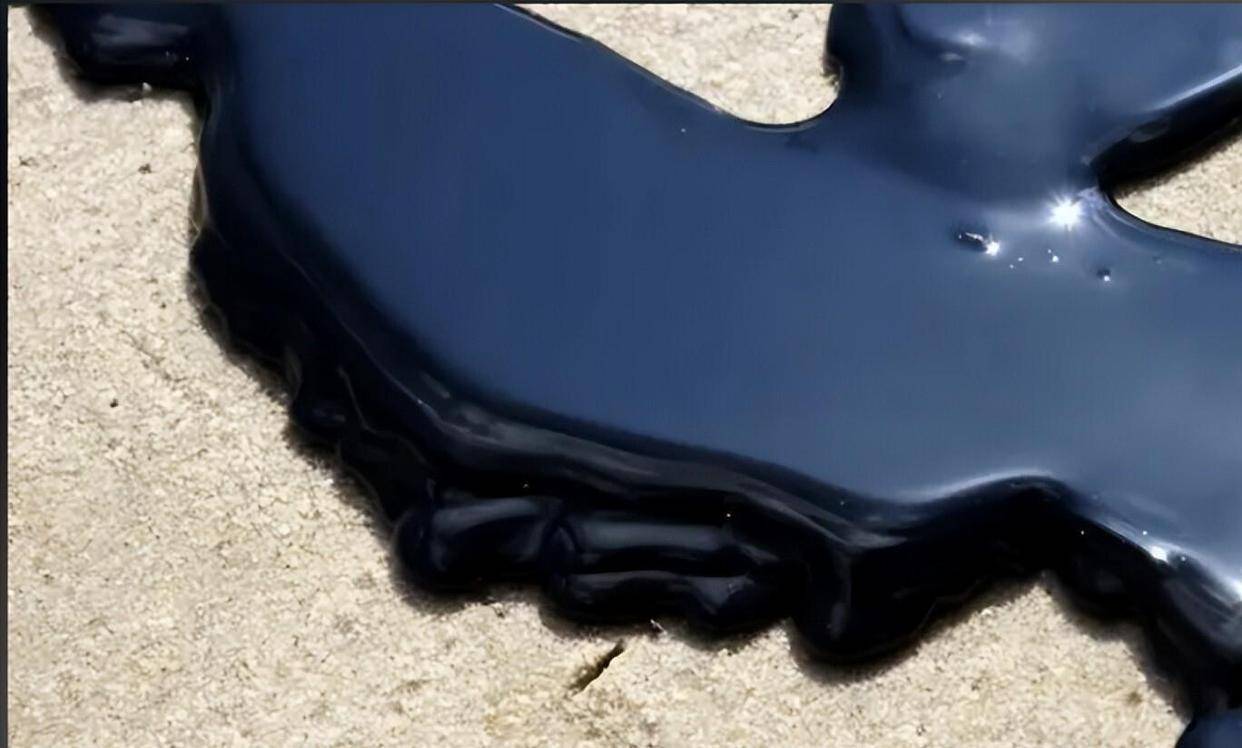
超重质原油

Search documents
果然不出意外,委内瑞拉的石油却有问题,竟然只有中国能安稳开采
Sou Hu Cai Jing· 2026-01-15 21:01
Core Insights - The U.S. military intervention in Venezuela aimed to seize oil resources but faced significant operational challenges, highlighting the complexities of extracting heavy crude oil from the Orinoco Belt [1][3]. Group 1: Oil Reserves and Extraction Challenges - Venezuela has proven oil reserves of 303 billion barrels, accounting for 17% of global totals, valued at over $17 trillion at $57 per barrel [3]. - The oil in Venezuela is classified as "the world's dirtiest oil," characterized by low API gravity and high sulfur content, making it extremely viscous and difficult to transport [3]. - Extracting this heavy oil requires substantial investment; maintaining current production levels of 1.1 million barrels per day will need $53 billion over 15 years, while restoring production to levels seen 15 years ago would cost $110 billion [3]. Group 2: Investment Hesitance and Political Risks - Major U.S. oil companies like ExxonMobil and Chevron are hesitant to invest in Venezuela due to low international oil prices and the political risks associated with past nationalization efforts [5]. - The historical context of nationalization under Hugo Chávez in 2007 has left a lasting impact on foreign companies' willingness to engage in the Venezuelan oil sector [5]. Group 3: China's Engagement and Technological Advantages - Chinese companies have been active in Venezuela for 20 years, successfully revitalizing previously abandoned oil fields through innovative techniques [5]. - China's technological expertise, particularly in heavy oil extraction and processing, has proven effective in adapting to Venezuela's geological conditions [7]. - The collaboration between China and Venezuela extends beyond oil, involving infrastructure projects that benefit local communities, with trade increasingly conducted in renminbi to mitigate U.S. sanctions [8]. Group 4: Strategic Implications - The U.S. military's attempts to alter the energy landscape in Venezuela underscore the principle that resource reserves do not equate to value; rather, technological capability is essential for unlocking these resources [10]. - Chinese teams are advancing drilling operations in the Orinoco region, completing wells in 80 days, significantly faster than international competitors [10].


委内瑞拉的石油“有问题”,为什么只有中国才能开采?
Sou Hu Cai Jing· 2026-01-14 23:20
Core Viewpoint - Venezuela possesses the largest proven oil reserves in the world, surpassing even Saudi Arabia, yet it has struggled economically despite its oil wealth. Chinese companies have been able to successfully operate in Venezuela's challenging oil sector, unlike many Western firms that have withdrawn due to political and operational difficulties [1][5]. Group 1: Oil Characteristics and Challenges - The majority of Venezuela's oil is "extra-heavy crude," which is extremely viscous and difficult to extract, requiring specialized and costly technology for processing and transportation [3]. - Chinese oil companies entered Venezuela as early as 1997, taking on projects that were considered unviable by international competitors, and significantly increased production through advanced extraction techniques [3]. Group 2: Chinese Investment and Community Impact - Chinese firms have established numerous joint ventures in Venezuela over the past two decades, contributing to local community development by building schools and improving infrastructure, which has reduced unemployment rates significantly [3]. - The "Chinese oil model" has been recognized locally for its effectiveness in enhancing production from aging oil fields [3]. Group 3: U.S. Sanctions and Market Dynamics - U.S. sanctions have drastically reduced Venezuela's oil production from a peak of 3.5 million barrels per day to under 1 million barrels, yet Chinese cooperation has continued, becoming a vital lifeline for the Venezuelan oil industry [5]. - The U.S. is planning to lift sanctions and allow American companies to return, which could redirect some Venezuelan oil to the U.S. market, impacting China's supply of discounted oil [5][7]. Group 4: Competitive Advantages and Future Outlook - Chinese companies have long-term joint venture agreements in place that provide legal protections for their operations in Venezuela, making it difficult for U.S. firms to simply take over [7]. - The current state of Venezuela's oil infrastructure is severely outdated, requiring significant investment and time to restore production levels, which gives Chinese firms an advantage due to their established operational capabilities [7][8]. - The ongoing geopolitical and economic competition over Venezuela's oil resources highlights the importance of early entry, technical expertise, and the ability to navigate complex environments in securing energy resources [8].
特朗普接了个烂摊子?要开采委内瑞拉的重油,最少要花1000亿美元
Sou Hu Cai Jing· 2026-01-07 06:15
Core Viewpoint - The potential for the U.S. to "take over" Venezuelan oil is overshadowed by the significant challenges and costs associated with reviving its oil industry, which is plagued by outdated infrastructure and low-quality crude oil [1][10]. Group 1: Oil Quality and Production Challenges - Venezuela possesses the largest oil reserves globally, with 300 billion barrels, accounting for 17% of the world's total, but the oil is primarily heavy and extra-heavy crude, making extraction and refining difficult [3][5]. - The current production is around 900,000 barrels per day, less than 1% of global output, due to the high extraction difficulty and poor infrastructure [3][5]. - The oil extraction process requires expensive diluents and complex refining, limiting its market value compared to lighter crude oils [3][5]. Group 2: Infrastructure and Investment Requirements - The Venezuelan oil industry has suffered from years of underinvestment and mismanagement, leading to a dilapidated state where many oil wells are non-operational or malfunctioning [5][6]. - To restore production to levels seen two decades ago (4 million barrels per day), an estimated investment of $100 billion over ten years is required, which is a significant financial commitment [8][10]. - Restarting old wells can cost as much as drilling new ones, complicating the financial calculus for potential investors [6][8]. Group 3: Energy and Operational Challenges - The oil extraction and processing depend heavily on a stable electricity supply, which is unreliable in Venezuela, leading to frequent power outages that disrupt operations [8][10]. - Any foreign company looking to operate in Venezuela would likely need to invest in building their own power generation facilities before even starting oil extraction [8][10]. Group 4: Geopolitical and Market Considerations - The U.S. faces significant hurdles in investing in Venezuela due to the political climate and the potential for legal uncertainties, making it a risky investment [10][11]. - The presence of Chinese and Russian companies in the Venezuelan oil sector complicates the situation, as U.S. firms may find themselves unable to operate existing equipment without specialized support from these countries [11][13]. - The global oil market is currently oversupplied, and reintroducing Venezuelan heavy oil could disrupt existing supply chains and lead to price wars, negatively impacting U.S. interests [15][16].
美方施压下,委内瑞拉奥里诺科重油带原油产量锐减25%
Xin Lang Cai Jing· 2025-12-31 22:40
Core Viewpoint - The U.S. military's restrictions on oil exports and ongoing ground attack threats are significantly impacting the Maduro regime, leading to a decline in oil production from Venezuela's richest oil fields [1] Group 1: Oil Production Decline - The daily oil production from the Orinoco heavy oil belt has dropped to 498,131 barrels as of December 29, a decrease of 25% compared to two weeks prior [1] - The Orinoco heavy oil belt accounts for nearly two-thirds of Venezuela's total oil production, primarily producing extra-heavy and heavy crude oil [1] Group 2: Operational Challenges - Due to the imminent exhaustion of storage capacity and obstacles in the oil export process, the state-owned oil company has begun shutting down some oil wells [1]
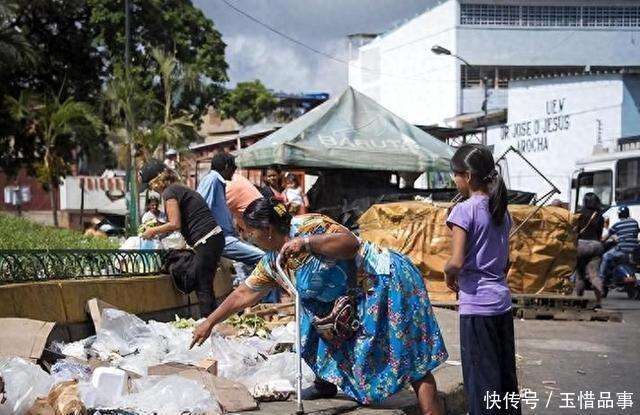
委内瑞拉是个濒海国家,石油储量世界第一,为什么却穷的揭不开锅
Sou Hu Cai Jing· 2025-12-01 09:19
Core Insights - Venezuela possesses the largest oil reserves globally, totaling 303.2 billion barrels, surpassing Saudi Arabia's reserves by 36.2 billion barrels. However, despite this wealth, the country faces severe economic challenges, including a staggering inflation rate of 130,060% in 2018 and a significant drop in per capita GDP, which evaporated by $10,000 over five years [1][12]. Oil Quality and Extraction Challenges - While Venezuela's oil reserves are vast, the quality is poor, with 74% of the reserves being extra-heavy crude oil located in the Orinoco Belt. This type of oil is difficult to refine and process [3][5]. - The API gravity index, which measures oil quality, indicates that Venezuelan oil has an API of only 8 to 12, making it nearly immobile and requiring high extraction costs of $16.5 to $23.5 per barrel, with total costs potentially reaching $50 to $60 per barrel [5][7]. Production Decline and Economic Impact - Venezuela's oil production has drastically declined from 1.9 million barrels per day in 2015 to just 350,000 barrels per day in 2020, with a slight recovery to 1.048 million barrels per day by March 2025. This represents only 1% of the global daily production of 100 million barrels [10][20]. - The country's oil industry has suffered from a lack of investment and maintenance, leading to outdated facilities and low recovery rates, with some fields achieving less than 20% recovery compared to Saudi Arabia's 70% [8][10]. Government Policies and Economic Mismanagement - The Venezuelan government has historically mismanaged the oil sector, using the state-owned PDVSA as a cash cow without reinvesting in infrastructure or technology. This has led to a significant talent drain, with over 6 million Venezuelans, including many oil professionals, leaving the country between 2014 and 2020 [10][12]. - The government's monetary policy, characterized by excessive money printing to cover fiscal deficits, has resulted in hyperinflation and a devaluation of the currency, further exacerbating the economic crisis [12][13]. Sanctions and Market Dependency - U.S. sanctions have severely restricted Venezuela's ability to trade oil, particularly with American markets, leading to a significant drop in oil exports. In 2025, sanctions intensified, resulting in a 120,000-barrel decrease in exports compared to the previous year [14][16]. - China has become Venezuela's largest oil importer, with daily imports reaching 584,000 barrels in May 2025, a year-on-year increase of 11.21%. However, this dependency on China is precarious, as falling oil prices could lead to further financial losses for Venezuela [16][18]. Economic Viability and Future Outlook - Despite efforts to maintain oil production above 850,000 barrels per day, this volume is insufficient to support a population of 28 million, compounded by heavy external debt and ongoing U.S. sanctions, leaving the economy on the brink of collapse [20].