恶性通货膨胀

Search documents
委内瑞拉失去的不只是石油
吴晓波频道· 2026-01-05 00:30
Core Viewpoint - The article discusses the recent military action by the United States against Venezuelan President Maduro, highlighting the implications for Venezuela and the global landscape, particularly in terms of oil resources and geopolitical dynamics [2][6][34]. Group 1: Military Action and Political Implications - The U.S. military operation named "Absolute Resolve" resulted in the capture of Maduro, marking a significant event in international relations and U.S. foreign policy [9][12]. - Trump's administration has labeled Maduro's regime as a major drug trafficking network, leading to increased military presence and actions in Venezuela [5][10]. - The operation was reportedly planned for months, involving advanced technology and intelligence, indicating a high level of U.S. commitment to changing the Venezuelan leadership [9][10]. Group 2: Economic Conditions in Venezuela - Venezuela is experiencing hyperinflation, with an estimated inflation rate of 1,300,000%, leading to severe economic instability and poverty, with 65% of the population living below the poverty line [14][15][18]. - The Venezuelan economy has been heavily reliant on oil, with oil dependency reaching 98.2%, which has led to neglect of other sectors and vulnerability to oil price fluctuations [19][20]. - The government's economic policies, including price controls, have contributed to the economic collapse, resulting in widespread shortages and factory closures [18][19]. Group 3: Oil Resources and Global Impact - Venezuela possesses the largest proven oil reserves globally, estimated at 300 billion barrels, yet its production is less than 1% of global output due to mismanagement and lack of investment [22][24]. - The U.S. has a strategic interest in Venezuelan heavy crude oil, which is essential for its refining processes, indicating a potential shift in control over Venezuelan oil resources following the military action [26][28]. - The article suggests that U.S. intervention could lead to a re-industrialization of Venezuela, with American oil companies potentially returning to invest in the country's oil infrastructure [22][28]. Group 4: China-Venezuela Relations - China has been a significant partner for Venezuela, providing approximately $600-670 billion in loans primarily for oil projects, which has been crucial for Venezuela's economy [31][32]. - The "oil for loans" model has allowed Venezuela to navigate U.S. sanctions, but the future of this relationship is uncertain following the political upheaval [32][33]. - Venezuela's strategic importance to China lies not only in oil but also in its mineral resources, which could be impacted by the U.S. military action and subsequent changes in governance [30][32].


白银全面爆发:1979年的 vibes
2025-12-29 01:04
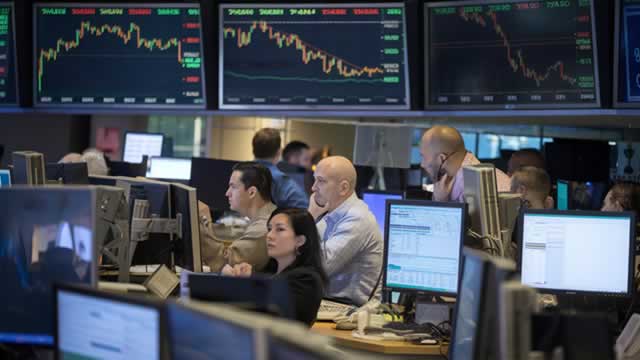
Summary of Silver Market Conference Call Industry Overview - The silver market is experiencing significant volatility and historical trading volumes, indicating a critical phase in its market cycle [1][2] - The current market sentiment is reminiscent of the events in 1979, which included geopolitical tensions and economic crises [4] Key Insights and Arguments - Silver has seen an 18% increase this week, marking the largest weekly gain since February 1998, following its best performance since 2020 [6] - The narrative around silver has shifted from recovery and valuation to momentum and increased trading volume, suggesting a potential nearing of a late-stage market rather than a beginning [2] - Elon Musk has raised concerns about new regulations in China requiring government permits for silver exports starting January 1, 2026, which could impact industries reliant on silver, such as solar panels and electric vehicles [8] - The silver market is currently valued at approximately $4.32 trillion, making it the 11th most valuable asset globally, surpassing the British Pound [9] Additional Important Points - The trading volume for the silver exchange-traded fund (SLV) surged to over $9.6 billion, a level not seen since 2011 and 2021 [10] - The volatility ratio of silver to gold is at a historical high, with SLV's one-year implied volatility at 56%, more than double that of GLD [12] - Since the bull market began on October 12, 2022, silver has increased by over 300%, outperforming both the S&P 500 and Nasdaq indices [16] - There are indications of hyperinflation in precious metals, which may not be receiving adequate attention [18] - Adjusted for money supply, silver prices have just surpassed a 45-year resistance level [21] - Currently, one ounce of silver is valued higher than a barrel of oil, a situation that has occurred only once before [22]
Tariffs were going to fix the economy, or tank it, depending on who you asked. They were all wrong.
WSJ· 2025-12-15 02:00
Core Viewpoint - The president anticipates a resurgence in manufacturing, while economists are predicting a recession and high inflation rates [1] Group 1 - The president's prediction indicates a potential shift in the manufacturing sector, suggesting optimism for growth and revitalization [1] - Economists' forecasts highlight concerns regarding economic stability, emphasizing the risks of recession and inflation that could impact various industries [1]
委内瑞拉是个濒海国家,石油储量世界第一,为什么却穷的揭不开锅
Sou Hu Cai Jing· 2025-12-01 09:19
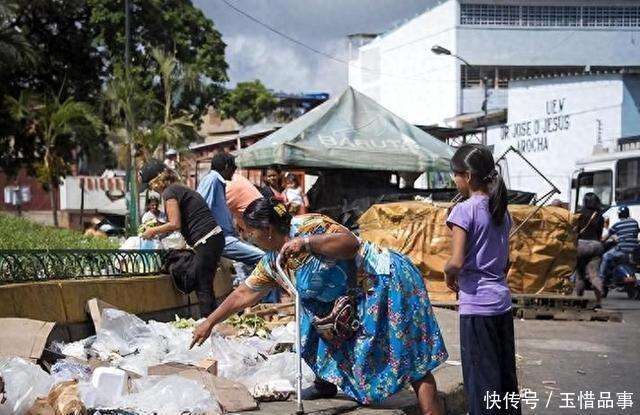
Core Insights - Venezuela possesses the largest oil reserves globally, totaling 303.2 billion barrels, surpassing Saudi Arabia's reserves by 36.2 billion barrels. However, despite this wealth, the country faces severe economic challenges, including a staggering inflation rate of 130,060% in 2018 and a significant drop in per capita GDP, which evaporated by $10,000 over five years [1][12]. Oil Quality and Extraction Challenges - While Venezuela's oil reserves are vast, the quality is poor, with 74% of the reserves being extra-heavy crude oil located in the Orinoco Belt. This type of oil is difficult to refine and process [3][5]. - The API gravity index, which measures oil quality, indicates that Venezuelan oil has an API of only 8 to 12, making it nearly immobile and requiring high extraction costs of $16.5 to $23.5 per barrel, with total costs potentially reaching $50 to $60 per barrel [5][7]. Production Decline and Economic Impact - Venezuela's oil production has drastically declined from 1.9 million barrels per day in 2015 to just 350,000 barrels per day in 2020, with a slight recovery to 1.048 million barrels per day by March 2025. This represents only 1% of the global daily production of 100 million barrels [10][20]. - The country's oil industry has suffered from a lack of investment and maintenance, leading to outdated facilities and low recovery rates, with some fields achieving less than 20% recovery compared to Saudi Arabia's 70% [8][10]. Government Policies and Economic Mismanagement - The Venezuelan government has historically mismanaged the oil sector, using the state-owned PDVSA as a cash cow without reinvesting in infrastructure or technology. This has led to a significant talent drain, with over 6 million Venezuelans, including many oil professionals, leaving the country between 2014 and 2020 [10][12]. - The government's monetary policy, characterized by excessive money printing to cover fiscal deficits, has resulted in hyperinflation and a devaluation of the currency, further exacerbating the economic crisis [12][13]. Sanctions and Market Dependency - U.S. sanctions have severely restricted Venezuela's ability to trade oil, particularly with American markets, leading to a significant drop in oil exports. In 2025, sanctions intensified, resulting in a 120,000-barrel decrease in exports compared to the previous year [14][16]. - China has become Venezuela's largest oil importer, with daily imports reaching 584,000 barrels in May 2025, a year-on-year increase of 11.21%. However, this dependency on China is precarious, as falling oil prices could lead to further financial losses for Venezuela [16][18]. Economic Viability and Future Outlook - Despite efforts to maintain oil production above 850,000 barrels per day, this volume is insufficient to support a population of 28 million, compounded by heavy external debt and ongoing U.S. sanctions, leaving the economy on the brink of collapse [20].
乱世出奇谋:嘉吉如何在津国通胀套利?
伍治坚证据主义· 2025-11-19 02:59
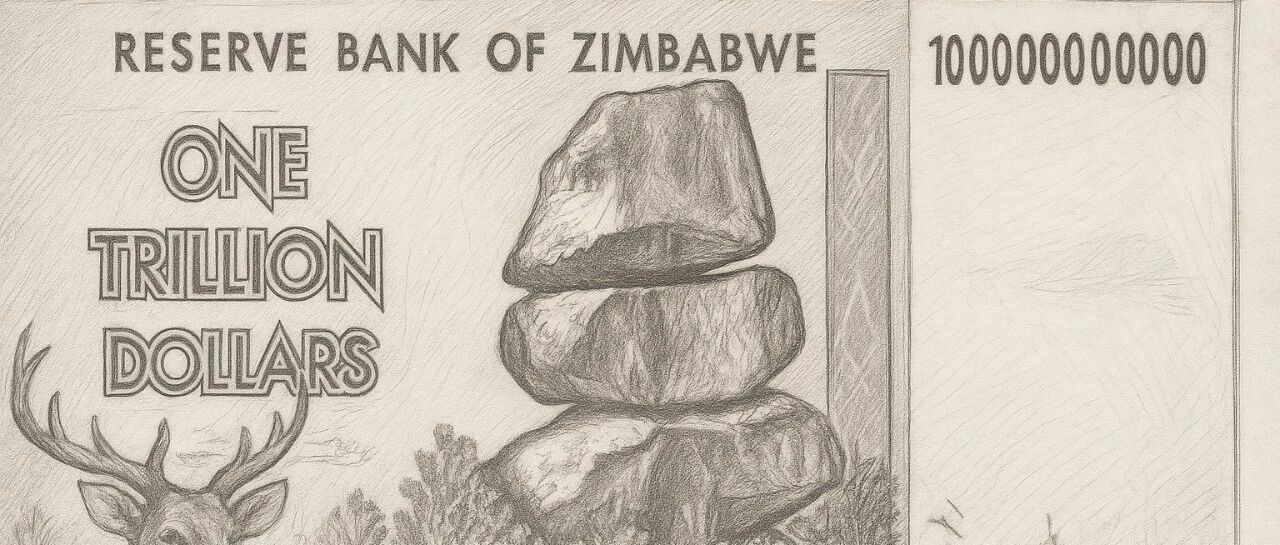
Core Insights - The article discusses the severe hyperinflation in Zimbabwe around 2003, where the Consumer Price Index increased by approximately 365% annually, primarily due to systemic governance failures, chaotic land reforms, and excessive government spending [2][4] - Cargill, a major multinational agricultural trader, faced significant challenges in Zimbabwe due to cash shortages caused by hyperinflation, which threatened its cotton procurement operations [5][6] Group 1: Cargill's Response to Hyperinflation - In response to the cash shortage, Cargill decided to issue its own currency, known as "Staley bucks," totaling 7.5 billion Zimbabwean dollars (approximately $2.2 million at the time), which were accepted as cash by the local population [6][7] - The issuance of Staley bucks allowed Cargill to pay cotton farmers, who then used the currency for immediate survival needs, thus preventing the currency from quickly returning to banks and allowing Cargill to benefit from the devaluation of the currency over time [7][11] Group 2: Financial Arbitrage and Profit Maximization - Cargill's strategy relied on the inability of farmers to immediately exchange Staley bucks for stable foreign currency, allowing Cargill to purchase cotton at a significantly reduced effective cost due to inflation eroding the value of the currency [11][12] - The operation was not a charitable act but a calculated financial arbitrage, where Cargill profited from the systemic crisis in Zimbabwe, effectively acting as a "shadow central bank" [12][14] Group 3: Long-term Implications and Lessons - Cargill's experience in Zimbabwe provided valuable insights for commodity traders on how to navigate high-risk markets, influencing their strategies in other volatile regions [12][13] - The article highlights the role of multinational corporations in filling governance vacuums in unstable countries, often gaining significant financial and political leverage while operating in morally ambiguous environments [13][14]
机构看金市:8月27日
Xin Hua Cai Jing· 2025-08-27 03:06
Core Viewpoint - The recent dismissal of Federal Reserve official Lisa Cook by Trump has heightened concerns over the independence of the Federal Reserve, leading to increased demand for gold as a safe-haven asset [1][2][3] Group 1: Market Reactions - Trump's unexpected action has intensified fears regarding the Federal Reserve's independence and has raised expectations for potential interest rate cuts, pushing investors towards gold [1] - Following the dismissal, the gold price rebounded to a two-week high, supported by a decline in the dollar index [2] - The market now anticipates a greater than 87% probability of a 25 basis point rate cut by the Federal Reserve in September [1] Group 2: Economic Indicators - The upcoming U.S. core PCE inflation data is being closely monitored as it may provide insights into the Federal Reserve's policy direction [1][2] - Powell's dovish remarks at the global central bank meeting suggest a shift to a straightforward 2% inflation target, which may further support the case for a rate cut [2] Group 3: Long-term Outlook - The trend of central banks purchasing gold, combined with global monetary expansion and de-dollarization, is expected to support a long-term upward trend in gold prices [2] - Zang Enterprises highlights that physical precious metals may become the only safe haven amid potential financial crises triggered by inflationary policies and vulnerabilities in the U.S. debt market [3] Group 4: Technical Analysis - The next resistance level for gold is identified at $3,409, with subsequent levels at $3,439 and $3,451, while the first support level is at $3,268 [3]
伊朗副总统被解职
券商中国· 2025-04-05 23:26
Core Viewpoint - The Iranian President Masoud Pezeshkian dismissed the Vice President responsible for parliamentary affairs due to an expensive trip to Antarctica amidst a severe economic crisis and hyperinflation in Iran [1]. Group 1 - The Vice President, Shahram Dabiri, was photographed near the "Plancius" cruise ship, which offers luxury Antarctic expeditions priced at €3,885 per person for an 8-day trip [1]. - The Iranian President stated that such expensive leisure trips by officials are unjustifiable given the economic pressures faced by the public, even if paid out of their own pockets [1]. - Following the release of the photograph, the government faced strong criticism, and several supporters of Pezeshkian urged for Dabiri's dismissal [3].