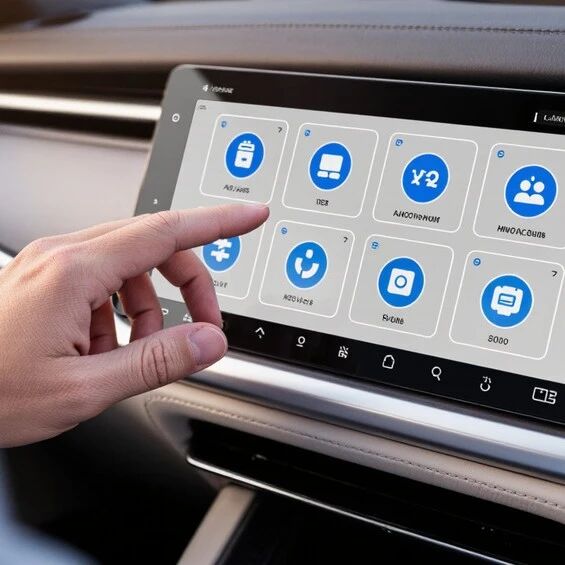
车机屏幕

Search documents
汽车创新 “炫技”碾压安全?切记车门背后是生命
Xin Lang Cai Jing· 2026-02-05 06:54
Group 1 - The core viewpoint of the article emphasizes the importance of safety in automotive design, particularly in light of the new mandatory national standard for car door handles, which aims to address safety concerns associated with hidden and electronic door handles [3][4][5] - The new standard, GB 48001—2026, will be implemented in 2027 and focuses on ensuring that car door handles have mechanical release configurations to prevent passengers from being trapped in emergencies [3][4] - The rise of hidden door handles is linked to aesthetic and aerodynamic benefits, but they pose significant risks during accidents or power failures, highlighting the need for a balance between design and safety [3][4] Group 2 - The article discusses the broader issue of "gimmicky" designs in the automotive industry, such as touchscreen controls, which can distract drivers and increase accident risks [4][5] - Research indicates that operating touchscreen systems can divert a driver's attention from the road for 5-40 seconds, significantly raising the likelihood of accidents [4] - The updated vehicle safety rating system by Euro NCAP aims to encourage manufacturers to retain physical controls for essential functions, reflecting a shift back to prioritizing safety over flashy designs [4][5]


终于有实锤了:缺少实体按键的车就是更危险
虎嗅APP· 2026-01-07 10:11
Core Viewpoint - The article discusses the ongoing debate regarding the necessity of physical buttons in vehicles, especially as car manufacturers increasingly integrate functions into touchscreens. It highlights a recent study that quantifies the impact of touchscreen operation on driving safety, suggesting that physical buttons may enhance safety and user experience in vehicles [5][9]. Group 1: Research Findings - A study by a team from the University of Washington demonstrated that operating touchscreen interfaces while driving significantly increases distraction, with interaction times nearly doubling from 564ms to 1140ms [23]. - The average lane deviation increased by 12.6% when drivers were distracted by touchscreen operations, indicating a substantial impact on driving safety [25]. - The study found that drivers tend to engage in "blind operation" of touchscreens, with 62.9% of interactions occurring without visual attention, which increased to 71.9% under higher cognitive load conditions [28]. Group 2: Industry Response - Some automotive manufacturers, including Xiaomi and Volkswagen, are beginning to reintroduce physical buttons in response to safety concerns and consumer preferences [41][43]. - The European New Car Assessment Programme (E-NCAP) plans to incorporate physical controls into safety ratings starting in 2026, indicating a shift towards valuing tactile feedback in vehicle design [44]. - Regulatory changes in China are also expected to mandate physical controls for critical functions, reflecting a broader trend towards prioritizing user safety and interaction quality in automotive design [45]. Group 3: Design Implications - The article suggests that the reintroduction of physical buttons could allow for greater design differentiation among electric vehicles, moving away from the uniform "tablet-like" interiors currently prevalent in the market [47]. - The tactile feedback from physical buttons is seen as a crucial aspect of user interaction, enhancing the overall driving experience and safety [39].