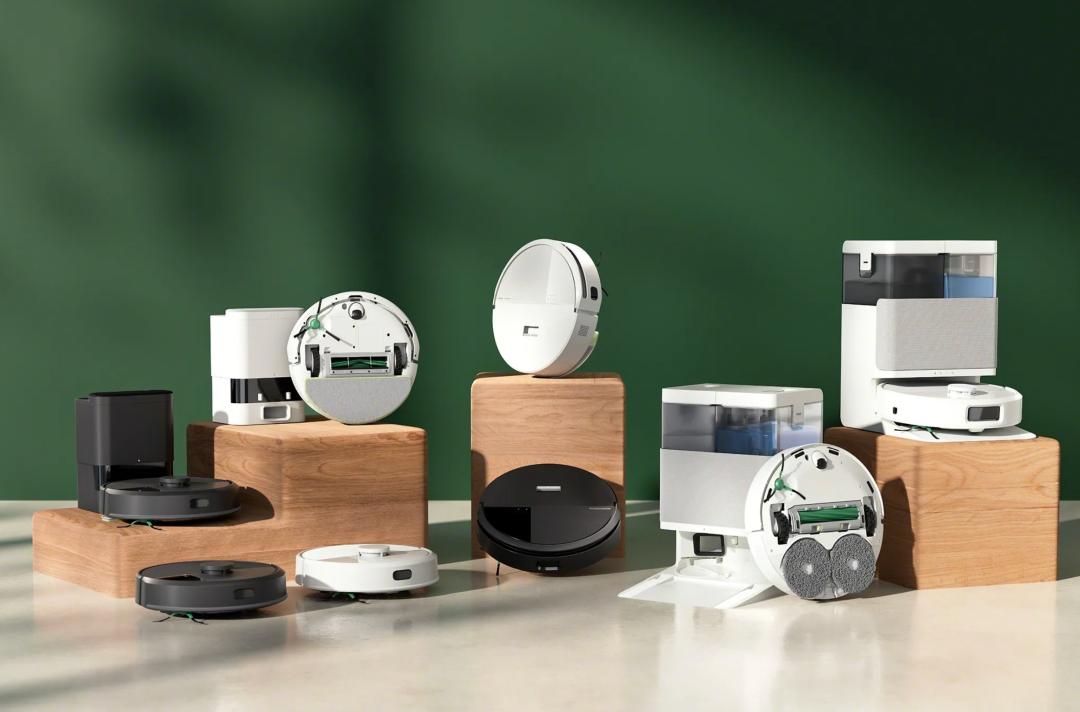
追觅X20

Search documents
卷死扫地机器人鼻祖只需5年,债主深圳杉川收编
阿尔法工场研究院· 2025-12-17 04:09
Core Viewpoint - iRobot, once a dominant player in the robotic vacuum market, has filed for bankruptcy, primarily due to competition from Chinese manufacturers and significant debt to its Chinese contract manufacturer, Shenzhen Shanjun Robotics [4][6][11]. Group 1: Company Overview - iRobot, founded in 1990 and known for its Roomba vacuum, had a peak market value of $4 billion and held over 80% of the global market share [5][6]. - The company has seen a drastic decline, with its market share dropping to 7.9%, unable to compete with Chinese brands like Roborock and Ecovacs [19][24]. Group 2: Financial Situation - As of Q3 2023, iRobot reported a cash balance of $24.8 million against total liabilities of $508 million, indicating severe insolvency [11]. - Over 70% of its debt is owed to Shenzhen Shanjun Robotics, which has taken control of the company through debt acquisition [11][14]. Group 3: Competitive Landscape - The global robotic vacuum market is growing, with shipments reaching approximately 17.42 million units in the first three quarters of 2025, a nearly 19% year-on-year increase [15]. - Chinese manufacturers have innovated with features like automatic dust collection and self-cleaning capabilities, which have set new standards in the market [19][20]. Group 4: Product and Technology Differences - iRobot's focus on traditional vacuuming technology contrasts sharply with the multifunctional approach of Chinese competitors, who have rapidly adopted advanced technologies like laser navigation and AI [20][21]. - The speed of product iteration in China, with companies releasing multiple models annually, has outpaced iRobot's slower development cycle [20][23]. Group 5: Market Position and Strategy - iRobot's brand power is diminishing in the face of aggressive pricing and innovation from Chinese brands, which offer similar or superior functionality at lower prices [21][24]. - The company's decision to relocate parts of its supply chain from China to Malaysia has further distanced it from the competitive advantages of the Chinese market [23][24]. Group 6: Future Outlook - Following the bankruptcy, Shenzhen Shanjun plans to continue operating iRobot, but the brand will no longer resemble its former self [25]. - The narrative of iRobot's decline serves as a cautionary tale about the necessity of speed and adaptability in the current market landscape [25][26].

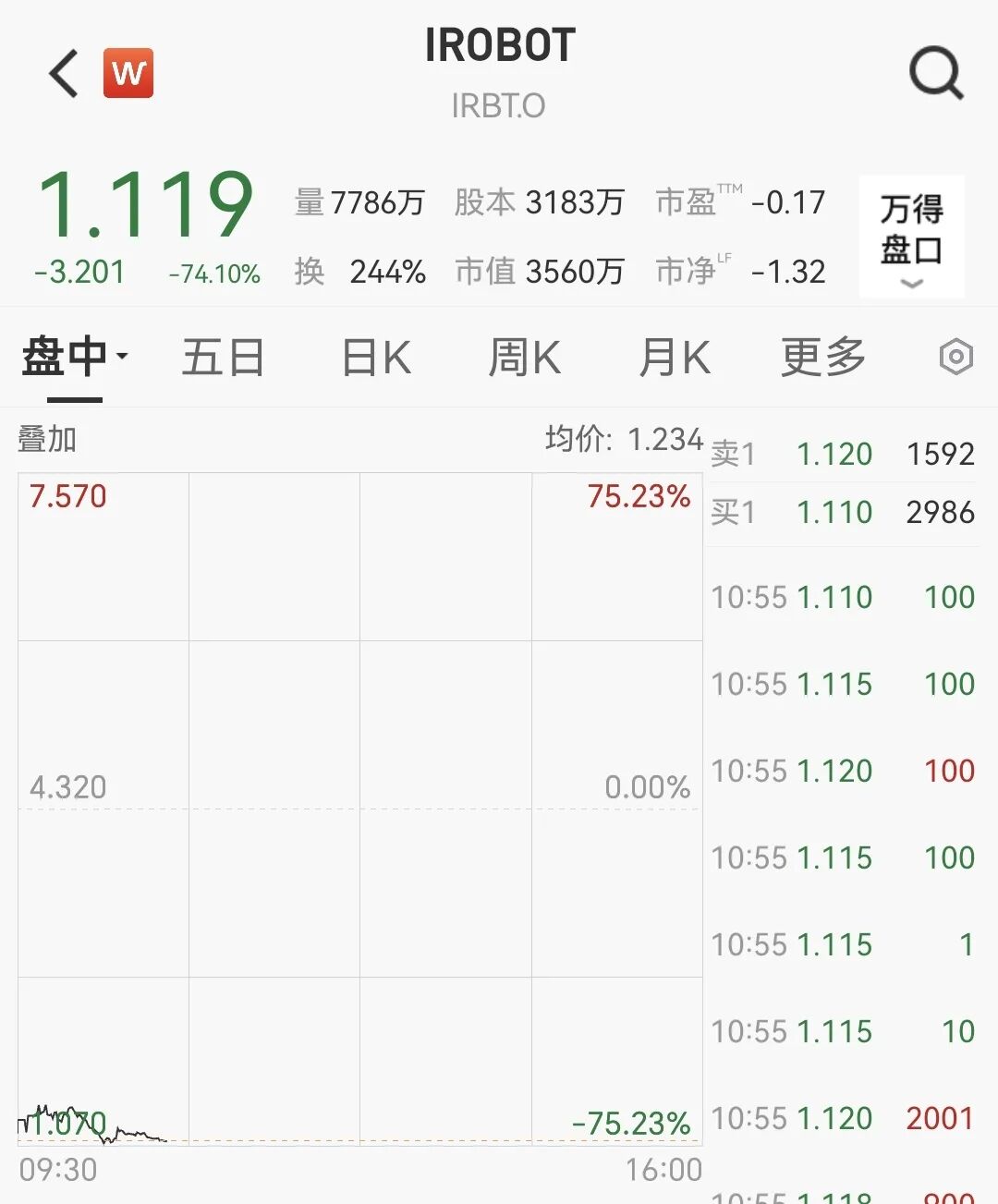
深夜暴跌74%一度触及熔断,扫地机器人巨头宣布破产
2 1 Shi Ji Jing Ji Bao Dao· 2025-12-15 16:36
Core Viewpoint - iRobot, once a leader in the robotic vacuum market, has filed for bankruptcy after failing to maintain cash flow and market share, primarily due to competition from Chinese manufacturers and operational challenges [2][17]. Group 1: Company History and Market Position - iRobot was founded in 1990 by three MIT graduates and initially gained fame for its military and space robotics, including the Sojourner rover for NASA [3][4]. - The company launched its first consumer robot, Roomba, in 2002, achieving significant sales milestones and dominating the market with over 60% global market share by 2015 [5]. - However, by 2022, iRobot's revenue dropped by 24% to $1.183 billion, and it reported a net loss of $286 million, marking a significant decline from its previous successes [5]. Group 2: Financial Decline and Bankruptcy - iRobot's financial struggles continued, with Q3 2025 revenue falling to $146 million, a 25% year-over-year decline, and a net loss of $17.7 million, marking the 11th consecutive quarter of losses [5]. - The company's market share plummeted from 60% in 2015 to below 8% by Q3 2025, with significant revenue declines in key markets such as Europe, the Middle East, and the U.S. [5][6]. Group 3: Competitive Landscape - The global smart vacuum market is growing rapidly, with shipments reaching approximately 17.42 million units in the first three quarters of 2025, a year-over-year increase of nearly 19% [6]. - Chinese manufacturers, including Roborock and Ecovacs, have captured significant market share, with Roborock leading in Europe with a 42% market share [7][8]. Group 4: Supply Chain and Production Challenges - iRobot's decision to relocate part of its supply chain to Malaysia in 2019 distanced it from the Chinese consumer market, where most production capabilities are concentrated [8][9]. - Chinese brands have rapidly innovated and reduced product iteration cycles to 6-8 months, while iRobot has struggled to keep pace, leading to a loss of market relevance [9][10]. Group 5: Debt and Restructuring - iRobot's total liabilities reached $350 million, with overdue payments to its primary manufacturer, Shenzhen-based Santrum, amounting to $90.9 million [15][16]. - Following the bankruptcy filing, Santrum acquired a significant portion of iRobot's debt and agreed to extend the debt waiver period, allowing iRobot to continue operations under new terms [16][17].

iRobot 终于「死」了,击垮它的是中国家电军团
3 6 Ke· 2025-12-15 08:26
Core Insights - iRobot has officially filed for bankruptcy, marking the end of its dominance in the robotic vacuum market, which it once led with a market share exceeding 80% and a peak valuation of $4 billion [1][4][7] - The control of iRobot has shifted to its Chinese manufacturer, Shenzhen Shanjun Robotics, which is now both the largest creditor and the new owner of the company [1][4][6] Financial Situation - As of the end of Q3 this year, iRobot had a cash balance of only $24.8 million against total liabilities of $508 million, indicating severe insolvency [4] - Over 70% of iRobot's debt is owed to Shenzhen Shanjun Robotics, including a $190.7 million loan and $161.5 million in overdue payments [4] Market Dynamics - The global smart robotic vacuum market is experiencing significant growth, with a year-on-year increase of nearly 19% in shipments, totaling approximately 17.42 million units in the first three quarters of 2025 [7] - iRobot's market share has plummeted to 7.9%, with four out of the top five market positions now held by Chinese brands, including Roborock and Ecovacs [9] Competitive Landscape - Chinese manufacturers have innovated by introducing features such as automatic dust collection and self-cleaning capabilities, which have set new standards in the market [9][10] - iRobot's reliance on outdated technology and slower product iteration cycles has hindered its competitiveness, as it has only recently adopted advanced navigation technologies [10] Brand and Product Strategy - iRobot's brand value has diminished in the face of aggressive pricing and innovation from Chinese competitors, leading to a significant loss of market presence in China [12] - The company's decision to relocate parts of its supply chain from China to Malaysia has further distanced its products from Chinese consumers, resulting in a mere 0.12% market share in the Chinese online market by 2023 [12] Conclusion - The story of iRobot reflects broader trends in the manufacturing sector, highlighting the necessity for speed and adaptability in a rapidly evolving market [13] - Despite the bankruptcy, Shenzhen Shanjun Robotics plans to continue operating iRobot, although it will no longer resemble the original company [12]