送礼物功能

Search documents
微信电商不再“佛系”:公私域、短直联动成新机会?
3 6 Ke· 2026-01-21 11:14
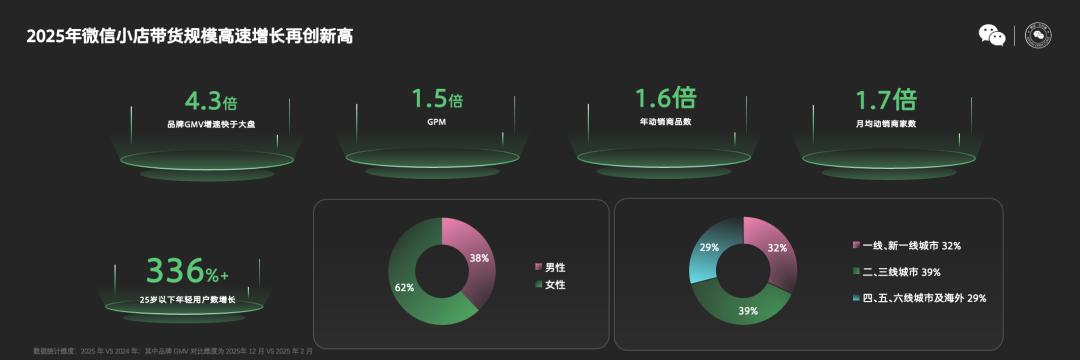
Core Insights - WeChat's e-commerce platform, WeChat Shop, is experiencing rapid growth, with significant structural growth indicators and product iterations being highlighted at the WeChat Public Class PRO event on January 15 [1][2] - The platform's brand-driven GMV growth is projected to be 4.3 times that of the overall platform by 2025, with a 1.5 times increase in GPM and a 1.7 times increase in the average number of active merchants [3] - The growth is attributed to deep content integration rather than broad traffic spending, with creators participating in various content formats seeing substantial sales increases [5] WeChat Shop Performance - By 2025, the user demographic shows that 32% are from first and new first-tier cities, while 39% are from second and third-tier cities [3] - The "Gift" feature launched at the end of 2024 is a key growth driver, allowing users to send products as gifts, enhancing privacy and payment convenience [5][6] - The "Gift" feature has been integrated into multiple scenarios, contributing significantly to sales, as evidenced by a single day sales record of over 1 million yuan for a store [6] User Experience and Challenges - Despite growth, the user experience remains a concern, with the "Gift" feature being difficult to access and requiring manual input for quick access [7] - Service providers are becoming crucial for WeChat Shop's growth, with a 37.6% month-on-month increase in new stores introduced by service providers, contributing nearly 50% to new store GMV [7] Competitive Landscape - The e-commerce industry is increasingly competitive, with video platforms like WeChat and Xiaohongshu being identified as potential growth areas [8] - WeChat Shop has expanded its operations to cover various content formats, achieving a comprehensive "all-domain operation" strategy [8][12] - The platform is focusing on enhancing its infrastructure, including marketing tools and transaction governance, while maintaining its unique characteristics [12] Future Strategies - WeChat is shifting towards a model that combines public domain traffic from video accounts with private domain operations through WeChat Shop, aiming to capture e-commerce growth over the next 3-5 years [12] - A new incentive plan for short video sales is set to launch, reflecting a strategic pivot away from reliance on live streaming [12][13] - The emergence of native sales hosts on the platform indicates a growing trend towards personalized and story-driven sales approaches [14] Conclusion - WeChat Shop is not just experiencing explosive growth but is characterized by a measured acceleration, focusing on building a sustainable e-commerce ecosystem [16] - The platform's future success will depend on its ability to balance rapid growth with user experience and operational challenges [16]


618前,微信猛攻电商
3 6 Ke· 2025-06-09 08:26
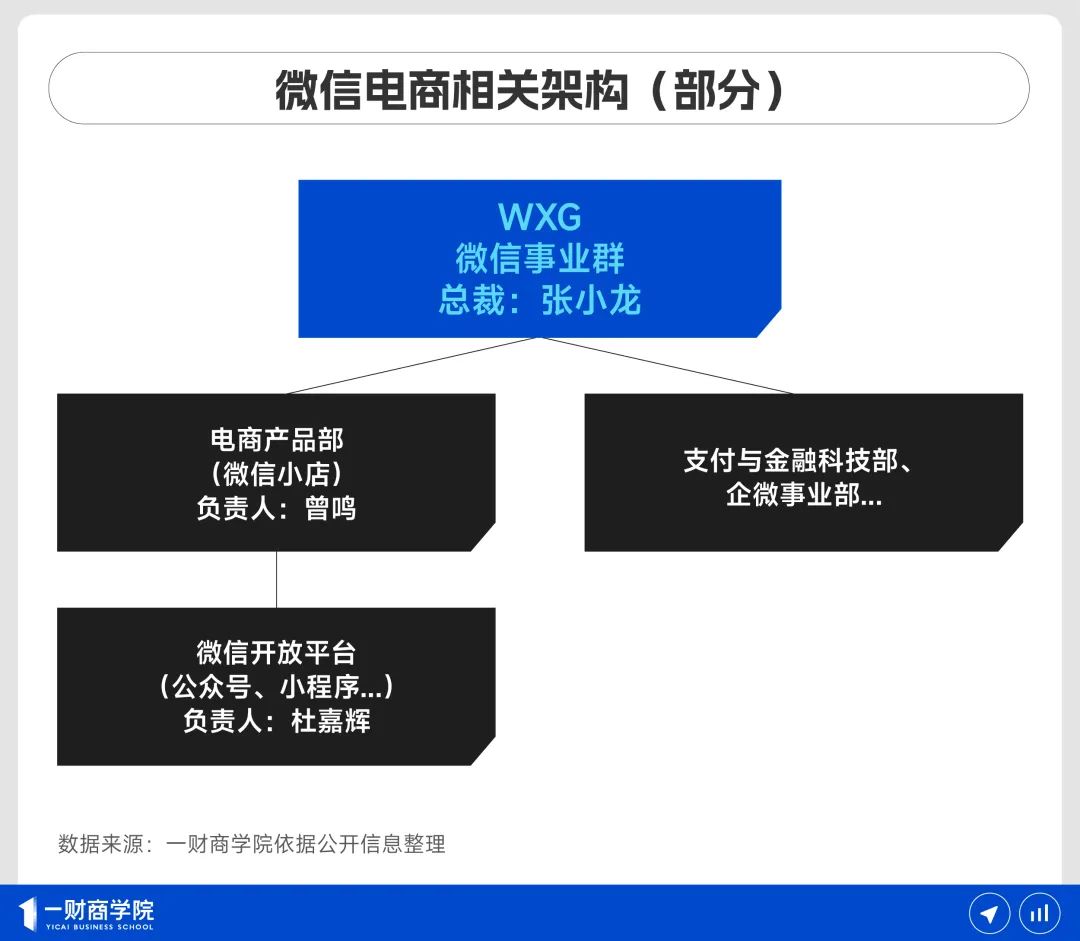
Core Insights - WeChat's participation in the 618 shopping festival is significant as it marks a shift towards direct user subsidies, with a total of 20 million yuan allocated for the event, indicating a strategic move to enhance its e-commerce presence [1][15] - The establishment of the WeChat e-commerce product department signifies a commitment to developing a robust e-commerce ecosystem, aiming to integrate various platforms within WeChat to enhance merchant visibility and consumer engagement [3][5] - The introduction of features like "gift giving" and the "pusher" model reflects WeChat's strategy to leverage its social ecosystem for e-commerce growth, creating a unique competitive advantage over traditional e-commerce platforms [6][10] WeChat's E-commerce Strategy - WeChat's small program GMV is comparable to that of Taobao and Tmall, with a projected GMV of 2 trillion yuan for Q2 2024, although most transactions are service-oriented rather than physical goods [2][3] - The focus on transitioning merchants from small programs to WeChat stores is a key strategy to enhance customer acquisition and sales through WeChat's extensive social network [3][10] - The integration of various features and channels, such as the addition of a small store channel in search results and direct links from ads, aims to create a seamless shopping experience within the WeChat ecosystem [6][19] Competitive Landscape - The launch of the "gift giving" feature has prompted competitors like Taobao and JD to introduce similar functionalities, highlighting the competitive pressure WeChat exerts on the e-commerce market [7][8] - The pusher model, which allows individuals to earn commissions by sharing products, is designed to expand WeChat's reach and engagement, potentially surpassing the effectiveness of traditional affiliate marketing models [9][10] - WeChat's ability to connect social interactions with e-commerce transactions positions it uniquely in the market, leveraging its vast user base and social dynamics to drive sales [13][18] Long-term Vision - WeChat's e-commerce strategy prioritizes building a solid infrastructure over immediate GMV growth, focusing on enhancing user experience, product quality, and merchant engagement [14][15] - The long-term goal is to create a more effective advertising ecosystem within WeChat, increasing the value of each click and encouraging more merchants to invest in advertising on the platform [16][18] - As WeChat continues to develop its e-commerce capabilities, it aims to establish a closed-loop system that enhances transaction efficiency and drives revenue growth for Tencent [18][19]