
邮轮游艇

Search documents
海南产经新观察:“冲浪之乡”万宁全力打造世界级冲浪胜地
Zhong Guo Xin Wen Wang· 2026-02-05 12:03
Core Viewpoint - Wanning, Hainan is committed to becoming a world-class surfing destination by implementing a "Top Events Cultivation Plan" and hosting the "Wanning International Surfing Festival" to enhance its tourism service industry [1][4]. Group 1: Tourism Development - In the past five years, Wanning has integrated sports, tourism, and commerce, focusing on activities like surfing, diving, and shopping to enhance the overall tourism experience [1]. - In 2025, Wanning's tourism industry is expected to see significant growth, with total tourist numbers reaching 9.7838 million and total spending at 9.227 billion yuan, reflecting increases of 8.36% and 12.12% respectively [3]. - The city has successfully created two national 3A-level tourist attractions and has been recognized as a high-quality outdoor sports destination [3]. Group 2: Infrastructure and Event Planning - Wanning plans to host international and national sports events, including the World Surfing Points Tour and the Surfing Championship, to promote its surfing culture [4]. - The city will initiate a "Bay Area Infrastructure Offensive" to develop key areas such as Riyue Bay and Shimei Bay, enhancing the overall tourism infrastructure [5]. - Wanning aims to develop various tourism products, including self-driving camping and cycling tours, to create a comprehensive tourism ecosystem [5].


政策高频 | 加快培育服务消费新增长点(申万宏观·赵伟团队)
申万宏源宏观· 2026-02-01 16:04
Group 1 - The State Council's plan aims to optimize service supply and cultivate new growth points in service consumption to enhance quality of life and support high-quality economic development [1] - Key areas of focus include promoting the integration of transportation services and tourism, expanding inbound consumption, and optimizing performance management in the entertainment sector [1][2] - The plan emphasizes the importance of financial and fiscal support, establishing credit systems in sectors like elderly care and tourism, and developing relevant standards for service consumption [1] Group 2 - The National Science and Technology Work Conference highlighted the need to strengthen basic research and enhance the capacity for independent research and development [3][4] - The conference emphasized the integration of technological innovation with industrial innovation and the importance of international cooperation to improve the overall effectiveness of the national innovation system [3] Group 3 - The National Taxation Work Conference outlined a focus on high-quality tax practices, emphasizing the need for legal compliance, digital transformation, and strict tax management [5][6] - Key goals include creating a comprehensive tax revenue governance system and addressing issues related to tax compliance and management in key sectors [5] Group 4 - The Ministry of Civil Affairs and the Ministry of Finance released guidelines to improve the temporary assistance system, focusing on providing quick aid for urgent needs and supporting vulnerable families [7][8] - The guidelines aim to enhance the efficiency and accessibility of temporary assistance, particularly for families facing sudden financial burdens [7] Group 5 - The Ministry of Natural Resources and other departments introduced measures to lower costs and optimize resource use to support the reform and development of elderly care services [9][10] - Key initiatives include allowing flexible land use for elderly care facilities and promoting innovative resource combinations to enhance service delivery [9] Group 6 - The Ministry of Commerce announced plans to deepen "Belt and Road" cooperation and optimize foreign investment policies to enhance market access and support foreign enterprises [11][12] - The focus is on expanding cooperation in emerging sectors such as green minerals, clean energy, and digital economy [11][12] Group 7 - The State-owned Assets Supervision and Administration Commission outlined the direction for the next round of state-owned enterprise reforms, focusing on optimizing the layout and structure of state-owned economies [14][15] - Emphasis is placed on promoting technological innovation and enhancing the management and supervision of state-owned assets [14] Group 8 - The Ministry of Human Resources and Social Security outlined key tasks in employment, social security, talent development, and labor relations to enhance social welfare [17] - Initiatives include expanding employment opportunities, reforming social security systems, and protecting the rights of new employment forms [17]
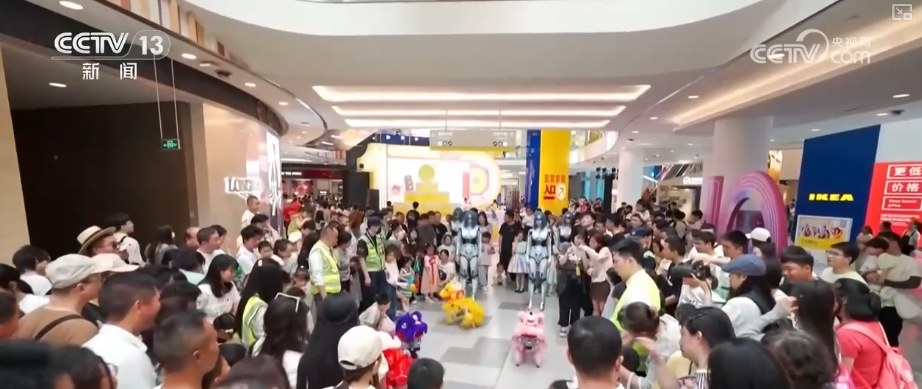
多元化服务供给释放经济新活力 新业态新模式为服务消费增长开辟新空间
Yang Shi Wang· 2026-01-27 04:04
Group 1 - The core viewpoint is that China's service consumption is expected to maintain rapid growth, with a projected retail service revenue increase of 5.5% year-on-year by 2025 [1] - The service retail sectors such as cultural and recreational activities, communication information, tourism consulting and leasing, and transportation are anticipated to experience double-digit growth [1][4] - The new trends in service consumption include travel associated with events and culinary experiences linked to movies, alongside the development of new business models like low-altitude flights and cruise tourism [4] Group 2 - By 2025, the total revenue from the catering industry is expected to reach 5.8 trillion yuan, reflecting a year-on-year growth of 3.2% [4] - The proportion of per capita service consumption expenditure by residents is projected to increase, indicating a shift towards more service-oriented spending [4] - The Ministry of Commerce plans to continue implementing actions to enhance service consumption quality and promote investment in the service sector, focusing on areas such as cultural entertainment, tourism, and healthcare [6]
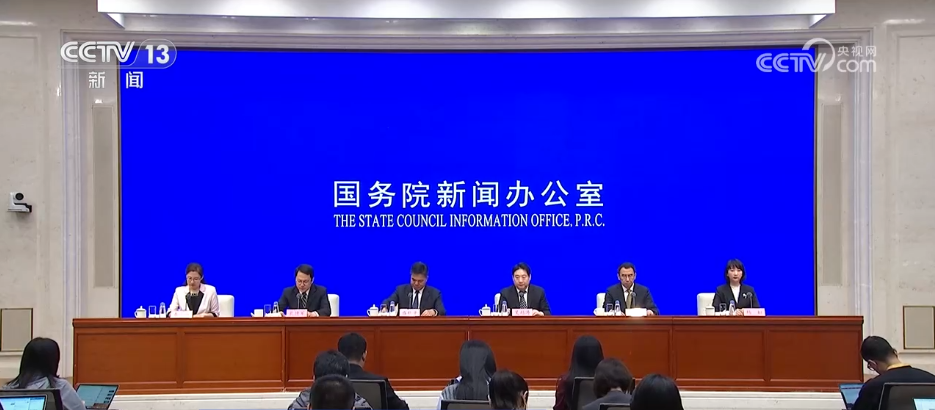
国家发展改革委:有序发展低空经济、枢纽经济、通道经济,培育邮轮游艇、汽车营地等体验经济
Bei Jing Shang Bao· 2025-12-25 04:18
Core Viewpoint - The National Development and Reform Commission emphasizes the importance of accelerating the construction of a modern infrastructure system to support national strategic implementation and high-quality economic development [1] Group 1: Infrastructure Development - The article highlights the need to enhance the comprehensive functions of infrastructure, focusing on supporting major national strategies and improving safety capabilities in key areas [1] - In the transportation sector, there is a call to improve the interconnectivity of infrastructure and the quality and efficiency of transportation services to support regional coordinated development and new urbanization strategies [1] - The development of low-altitude economy, hub economy, and channel economy is encouraged, along with the cultivation of experience economies such as cruise and yacht tourism and automotive camps [1] Group 2: Energy Sector - The article stresses the importance of coordinating domestic and international markets for energy resources, optimizing energy imports, and encouraging enterprises to participate in energy project construction abroad [1] - It emphasizes the need to strengthen coal supply as a stabilizing foundation and accelerate the release of high-quality coal production capacity [1] - The article also mentions the gradual enhancement of physical reserves for coal, oil, and natural gas, and the orderly promotion of the national coal-to-oil and gas strategic reserve base construction [1]
扩大高水平对外开放 大力提振消费(权威访谈·学习贯彻党的二十届四中全会精神)——访商务部党组书记、部长王文涛
Ren Min Ri Bao· 2025-12-06 03:39
Core Viewpoint - The "14th Five-Year Plan" emphasizes the importance of a strong domestic market and high-level opening-up as strategic foundations for China's modernization, highlighting the necessity of open cooperation and mutual benefits in this process [1][2]. Group 1: High-Level Opening-Up - The "14th Five-Year Plan" outlines a dedicated chapter on expanding high-level opening-up, reflecting the central government's commitment to open cooperation and signaling China's intent to lead rather than follow in global trade [2]. - High-level opening-up is seen as a crucial tool for promoting reform and development, with China maintaining its position as the world's largest goods trader for eight consecutive years and achieving over $1 trillion in service trade [2][3]. - The plan aims to enhance the synergy between domestic and international markets, fostering both qualitative improvements and reasonable quantitative growth in the economy [2]. Group 2: Key Tasks for High-Level Opening-Up - The plan identifies four main tasks for expanding high-level opening-up, including strengthening party leadership in open work, enhancing the level of openness, and expanding the development space for Chinese-style modernization [4]. - The first task is to actively expand autonomous opening, focusing on aligning with international high-standard trade rules and increasing market access, particularly in the service sector [4]. - The second task involves promoting trade innovation, optimizing goods trade, and developing service trade while enhancing digital trade and cross-border e-commerce [5]. - The third task is to expand bilateral investment cooperation, improving the investment environment and ensuring transparency and stability for foreign investors [5]. - The fourth task emphasizes high-quality co-construction of the "Belt and Road" initiative, enhancing cooperation with partner countries in various sectors [6]. Group 3: Domestic Demand and Consumption - The plan stresses the importance of expanding domestic demand as a strategic foundation, leveraging China's large population and growing middle-income group to stimulate consumption [7]. - It highlights that consumption contributed approximately 60% to economic growth during the "14th Five-Year" period, with a focus on enhancing the quality of consumer goods and services [7][8]. - The plan outlines specific actions to boost service consumption, including relaxing market access and promoting new growth areas such as tourism and sports events [8]. - It also aims to upgrade goods consumption by implementing policies that directly benefit consumers and promoting durable goods and green consumption [9].
服务消费如何实现“好上加好”?向“新”、向“优”、向“活”成为关键词
Yang Shi Wang· 2025-09-18 04:41
Core Viewpoint - The recent release of policies aimed at expanding service consumption is crucial for improving people's livelihoods and driving the transformation and upgrading of consumption in China [1] Group 1: Policy Measures - The government is accelerating the construction of a long-term care insurance system and increasing the supply of quality resources in cultural tourism, sports, and other sectors [3] - Approximately 50 cities will be selected for pilot projects focusing on "new formats, new models, and new scenarios" to enhance consumption vitality [4][6] Group 2: Support for Key Sectors - There will be increased support for the construction of service facilities in areas such as elderly care, childcare, cultural tourism, and sports, which are currently in high demand [8] - The government aims to promote innovation in enterprises, improve service levels in key sectors, and create a fair market environment for small and medium-sized service enterprises [8] Group 3: Enhancing Inbound Consumption - Inbound consumption is identified as a significant area for growth, with plans to optimize visa policies and enhance the convenience of travel, medical care, and study for foreign visitors [11] - The Ministry of Commerce plans to organize events like "Shopping in China" and "Service Consumption Season" to encourage diverse consumption experiences for foreign visitors [13] Group 4: Cultural and Tourism Initiatives - A national cultural and tourism consumption month will be launched, featuring over 25,000 events to promote local tourism and cultural experiences [16] - A three-year action plan for cultural and tourism consumption will be initiated, with over 330 million yuan in consumption subsidies to be distributed during the consumption month [18]
擦亮“碧海银滩”文旅品牌
Jing Ji Ri Bao· 2025-07-11 22:14
Core Viewpoint - The recent Central Financial Committee meeting emphasized the importance of developing marine cultural and tourism destinations, which provides new growth points for strengthening and optimizing the marine industry [1] Group 1: Industry Growth and Economic Impact - China's marine cultural and tourism industry has shown continuous growth, with the marine production value expected to exceed 10 trillion yuan in 2024, accounting for 7.8% of the national GDP [2] - The marine tourism sector achieved an added value of 1,613.5 billion yuan in 2024, reflecting a year-on-year growth of 9.2% [2] - In the first quarter of this year, the international cruise market operated 16 cruise ships with 141 voyages, transporting 328,000 passengers, a significant increase of 67.8% compared to the same period last year [2] Group 2: Policy Support and Development Strategies - The State Council has issued measures to unleash tourism consumption potential and promote high-quality development in the tourism industry, focusing on marine cultural resource development [3] - The government work report for this year highlighted the need to vigorously develop the marine economy and establish national marine economic development demonstration zones [3] Group 3: Infrastructure and Consumer Experience - There is a need to improve infrastructure for marine tourism, including optimizing cruise ports and yacht marina layouts, and enhancing service levels for marine tourism [5] - The development of new consumption models and personalized products is encouraged to meet diverse consumer needs in marine tourism [5] Group 4: Sustainable Development and Environmental Harmony - Emphasis is placed on the rational use of marine resources and the promotion of ecological civilization, ensuring a harmonious relationship between humans and the ocean [6] - The industry is encouraged to adopt green development practices and comply with marine ecological protection laws to maintain the integrity of marine resources [6]
南财快评|2万亿海洋大市场,打开广东经济增长新空间
2 1 Shi Ji Jing Ji Bao Dao· 2025-06-26 10:28
Core Viewpoint - Guangdong is focusing on high-quality development of its marine economy, leveraging its geographical advantages and resources to enhance its position in the global marine development competition [1][2]. Group 1: Marine Economic Development - Guangdong has invested nearly 2 billion yuan in marine economic development since 2018, supporting six key industries including offshore wind power and marine biomedicine [2][3]. - The marine economy's contribution to Guangdong's nominal economic growth reached 27.3%, driving a 0.7 percentage point increase in regional economic growth [2]. Group 2: Innovation and Technology - The province emphasizes innovation as a key driver for marine economic growth, focusing on developing core technologies and modern marine enterprises [4][5]. - Guangdong aims to integrate existing land-based technological advancements into marine applications, enhancing automation and smart port capabilities [4]. Group 3: Talent and Human Resources - The development of marine economy requires cultivating and attracting interdisciplinary talents in emerging fields such as renewable energy and artificial intelligence [5]. - Initiatives include international cooperation in oceanic scientific research and training programs for maritime personnel to strengthen the talent pool [4][5].