
钢架雪车

Search documents
辽宁健儿冰雪齐突破 2金3铜创冬奥会历史最佳战绩
Xin Lang Cai Jing· 2026-02-23 21:43
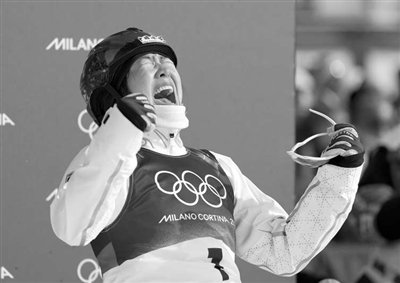
Core Insights - The Milan Winter Olympics concluded with China achieving its best-ever performance abroad, securing 5 gold, 4 silver, and 6 bronze medals, with athletes from Liaoning contributing significantly to this success [3][4]. Group 1: Liaoning Athletes' Achievements - Liaoning athletes won a total of 2 gold and 3 bronze medals, marking the best performance in the history of Liaoning at the Winter Olympics [3][4]. - Xu Mengtao and Wang Xindi, a couple, both won gold medals in freestyle skiing aerials, making history as the first athletes from Liaoning to win two golds in a single Winter Olympics [4]. - Young athlete Shao Qi won a bronze medal in the women's freestyle skiing aerials, showcasing the potential of the next generation in Liaoning's winter sports [5]. Group 2: Ice Sports Breakthrough - Liaoning achieved a historic breakthrough in ice sports with Wu Yu winning a bronze medal in the men's team pursuit speed skating, marking the first medal for Liaoning in ice events at the Winter Olympics [6]. - This bronze medal signifies a significant milestone for Liaoning's ice sports, which have traditionally lagged behind snow sports [6]. Group 3: Overall Medal Count and Historical Context - With the addition of 2 gold and 3 bronze medals from the Milan Winter Olympics, Liaoning's total medal count at the Winter Olympics has reached 19, comprising 4 gold, 7 silver, and 8 bronze [6]. - Liaoning's historical achievements in winter sports reflect a strong foundation and commitment to the development of ice and snow sports in China [6][7]. Group 4: Future Prospects and Development - Experts highlight that Liaoning's sustained success in winter sports is attributed to a robust youth training system, stable coaching teams, and long-term project planning [7]. - The province aims to leverage its Olympic success to enhance its winter sports programs and promote broader participation in ice and snow sports, especially with the upcoming 2028 National Winter Games [7].

(米兰冬奥会)惊喜与突破交织 中国冰雪向新而行
Xin Lang Cai Jing· 2026-02-22 19:57
Core Insights - The Chinese team achieved a record performance at the Milan Winter Olympics, winning 5 golds, 4 silvers, and 6 bronzes, marking their best results in overseas competitions [1][2]. Group 1: Performance Highlights - The Chinese delegation consisted of 126 athletes, setting a record for the number of participants and events in overseas competitions [2]. - The team maintained its strengths from the Beijing Winter Olympics, winning medals in 8 events, with freestyle skiing being a major contributor, securing 2 golds and 3 bronzes [2]. - Notable athletes included Su Yiming, who won a bronze and then a gold, and Gu Ailing, who earned 1 gold and 2 silvers, showcasing their competitive resilience [2]. Group 2: Historical Context - The performance of the Chinese team is significant when compared to past Olympic results, where host nations often see a decline in performance in subsequent games [3]. - The achievement of 5 golds reflects the sustainable competitive advantage gained from the Beijing Winter Olympics, instilling confidence in the future of Chinese winter sports [3]. Group 3: Competitive Landscape - The Chinese team has transitioned from being mere participants to serious competitors, with a notable increase in top-eight finishes from 37 to 49 compared to the Beijing Olympics [4]. - The team demonstrated improvements across 18 events, indicating a steady enhancement in overall competitiveness [4]. - The shift from individual performances to group efforts is evident, with multiple athletes now competing in various events, laying a solid foundation for future development [4]. Group 4: Future Challenges - Despite the progress, the Chinese ice and snow sports still face challenges as a "follower" in the global arena, necessitating ongoing efforts in technical innovation, system reform, and talent development [4].
赵丹两刷中国钢架雪车最佳战绩
Xin Lang Cai Jing· 2026-02-16 20:29
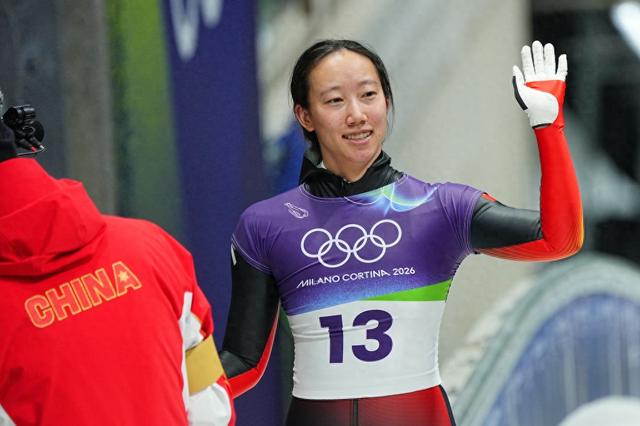
Group 1 - The core event discussed is the mixed team event of the bobsleigh at the Milan-Cortina Winter Olympics, where the Chinese team achieved their best result in this event, finishing fifth [1] - Zhao Dan and her teammate Chen Wenhao showcased excellent teamwork and performance, with a combined time of 1 minute 59.93 seconds, breaking the 2-minute barrier for the first time [1] - In the women's bobsleigh individual event, Zhao Dan finished eighth with a total time of 3 minutes 51.21 seconds, improving her previous best from the Beijing Winter Olympics [2] Group 2 - The mixed team event featured one male and one female athlete per team, with the competition format requiring only one run per team to determine the final ranking based on combined times [1] - The British team won the first gold medal in the history of this event, while two German teams secured the second and third places [1]
聚焦冬奥会 | 钢架雪车混合团体:赵丹与队友配合获得第五名
Xin Lang Cai Jing· 2026-02-16 10:54
Group 1 - The mixed team event of skeleton made its Olympic debut at the Milan-Cortina Winter Olympics, with the Chinese team achieving a historic best performance by finishing fifth with a time of 1 minute 59.93 seconds, breaking the 2-minute barrier for the first time [1] - The event consists of a male and female athlete from each team, with the total time of their runs determining the final ranking, where the shortest time wins [1] - The British team won the first gold medal in the history of this event, while two German teams secured the second and third places [1] Group 2 - Zhao Dan, a representative from Inner Mongolia, performed consistently in the women's skeleton individual event, finishing eighth and setting a new best record for Chinese women in the Winter Olympics [1]
为中国女子钢架雪车实现奥运突破,赵丹就是那位追光者
Xin Lang Cai Jing· 2026-02-16 02:31
Core Viewpoint - Zhao Dan has completed all her events at the Milan-Cortina Winter Olympics, achieving a personal best of eighth place in the individual event and fifth in the mixed team event, marking significant milestones for Chinese women's skeleton racing [2][3]. Group 1: Performance Highlights - Zhao Dan ranked eighth in the women's skeleton event, setting a new Olympic record for the Chinese team in this category [2]. - In the mixed team event, Zhao Dan and her teammate Chen Wenhao finished fifth, showcasing the potential of the Chinese team in this newly added Olympic event [2]. - Zhao Dan's journey from being the youngest flag bearer at the Beijing Winter Olympics to winning the first World Cup medal for Chinese women's skeleton racing demonstrates her rapid development and the increasing competitiveness of the team [10][12]. Group 2: Personal Journey and Development - Initially uncertain about her suitability for skeleton racing, Zhao Dan transitioned from a successful track and field athlete to a skeleton racer, driven by a desire to not give up on opportunities [6][7]. - Over the years, she has transformed her physical capabilities, increasing her weight from 52 kg to 69 kg to better handle the demands of the sport, which includes racing at speeds exceeding 130 km/h [10][13]. - Zhao Dan's experiences at the Beijing Winter Olympics and subsequent competitions have shaped her understanding of the sport, allowing her to recognize the importance of mental resilience and strategic thinking in high-pressure situations [11][17]. Group 3: Future Aspirations - As the 2026 Winter Olympics approach, Zhao Dan expresses confidence in her team's potential, particularly in the mixed team event, where she believes they have a competitive edge [16][17]. - The evolution of her mindset from viewing Olympic gold as a distant goal to a tangible objective reflects her growth as an athlete and her commitment to achieving excellence [17][19].
以现代科技助力深刻重塑奥运会运行方式——中国元素闪耀米兰冬奥会
Ren Min Ri Bao· 2026-02-10 22:35
Group 1: Event Overview - The Milan-Cortina Winter Olympics commenced on February 6, showcasing a blend of Chinese elements and global participation in sports [1] - The event is characterized by its decentralized nature, with 18 venues spread over 22,000 square kilometers in Northern Italy, presenting significant logistical challenges [3] Group 2: Technological Innovations - Alibaba Cloud's upgraded technology, initially used in the Beijing Winter Olympics, is now applied in Milan-Cortina, featuring a 360-degree real-time replay system that enhances athlete performance analysis [2] - The integration of AI models into the Olympics' core operations marks a significant advancement, facilitating event management, resource coordination, and global broadcasting [2][3] Group 3: Sustainability Efforts - The "Energy Consumption Treasure" system developed by Alibaba Cloud monitors energy usage across venues, aiming for precise tracking of the event's carbon footprint [4] - The International Olympic Committee (IOC) emphasizes that the cloud computing and AI technologies provided by Chinese companies significantly enhance operational efficiency and sustainability [4] Group 4: Media and Broadcasting - The International Broadcast Center in Milan is equipped to serve nearly 3 billion viewers globally, ensuring high-quality and continuous coverage of the events [4] - TCL, as a global Olympic partner, supplies advanced display technologies for various venues, enhancing the viewing experience for both athletes and audiences [5][6] Group 5: Chinese Brand Participation - Chinese sports brands like Anta and Berghaus are actively involved, providing specialized equipment for various national teams, showcasing China's advancements in winter sports technology [8] - TCL's presence at the Olympics serves as a platform for Chinese companies to integrate into global supply chains and showcase technological innovations [7] Group 6: Cultural Exchange - The "China House" at the Winter Olympics features cultural displays that blend traditional Chinese elements with the Olympic spirit, promoting cultural exchange among visitors [9] - Events such as the "Italy and China: Olympic Spirit and Artistic Heritage" cultural exchange highlight the role of sports in fostering international friendship and collaboration [10]
贴冰“飞行”、时速可达145公里 看雪橇比赛留意三个细节
Xin Lang Cai Jing· 2026-02-09 05:52
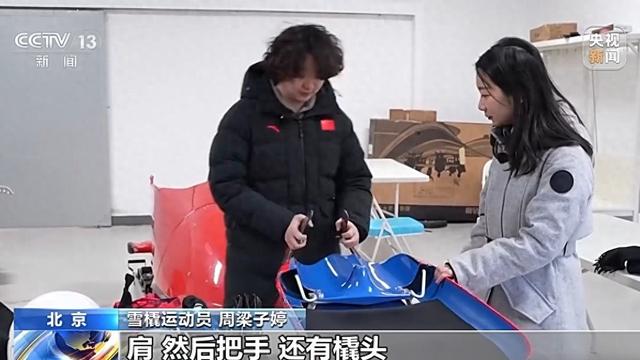
Core Viewpoint - The article highlights the thrilling nature of the luge event at the Winter Olympics, emphasizing the technical details and athlete preparations that contribute to performance and safety during the competition [1][2]. Group 1: Competition Dynamics - The luge competition takes place on a challenging track, rebuilt from the original site of the 1956 Winter Olympics, where even a 0.1-second difference can be significant [2]. - Observers are encouraged to pay attention to the athletes' starting techniques, particularly the sound of their ice skates hitting the ice, which reflects their power [2]. - The athletes' body posture during the race is crucial, as a stable position allows for optimal trajectory and speed [3]. Group 2: Technical Aspects - Key turns on the track serve as a magnifying glass for technical differences among competitors, with time differences before and after turns being critical [4]. - Athletes must memorize the entire track layout, as they rely on minute adjustments in their center of gravity to navigate turns, where a single mistake can lead to severe consequences [9]. Group 3: Athlete Equipment - Luge athletes require specialized equipment, including helmets, visors, and gloves, which are essential for both performance and safety [11][13]. - The gloves feature spikes to enhance grip on the ice, aiding in achieving faster initial speeds, which is vital for overall performance [13]. - The average speed of luge athletes during competition typically ranges from 120 to 145 kilometers per hour [5]. Group 4: Comparison with Other Sports - Luge, bobsleigh, and skeleton are all sliding sports but differ significantly in their starting positions and techniques; for instance, bobsleigh athletes start in a running position before transitioning to a seated position [18][20]. - The bobsleigh has a longer Olympic history compared to the other two sports, with its design resembling a framed sled that offers more protection [20].
风起米兰 我“意”飞扬
Xin Lang Cai Jing· 2026-02-06 12:41
Core Points - The upcoming Winter Olympics in Milan is expected to have a strong atmosphere, with a record number of Chinese Olympic champions participating, aiming for the highest medal count in history [2][4] - The event will feature a unique format with simultaneous opening ceremonies across multiple locations, allowing more athletes to participate [3] - The Chinese delegation consists of 126 athletes competing in 91 events, with a focus on freestyle skiing and short track speed skating as key medal opportunities [6][7] Group 1: Event Overview - The Winter Olympics will take place in a vast area of 22,000 square kilometers in Northern Italy, with four competition zones and eight venues, presenting logistical challenges for media and teams [2] - This edition of the Winter Olympics will be the most gender-balanced in history, with female athlete participation increasing from 45.4% in Beijing 2022 to over 47% [3] Group 2: Chinese Team Highlights - The Chinese team includes ten Olympic champions from previous games, with a strong focus on snow sports, which are expected to outperform ice sports this time [4][5] - Key athletes such as Gu Ailing and Xu Mengtao are highlighted as strong contenders for medals, particularly in freestyle skiing and short track speed skating [6][7][12] Group 3: Athlete Profiles - The average age of the Chinese delegation is 25, with a mix of experienced veterans and young talents, indicating a balance of experience and fresh energy [10][11] - Notable veterans include Xu Mengtao and Qi Guangpu, who have maintained strong performance levels, while younger athletes like Liu Mengting and Ge Chunyu are emerging as potential medalists [12][14]
马年将至,中国“骏马”驰骋米兰冬奥
Xin Hua She· 2026-02-06 08:13
Group 1 - The Milan-Cortina Winter Olympics is approaching, coinciding with the Chinese Lunar Year of the Horse, symbolizing progress and the fighting spirit of Chinese athletes [1] - Xu Mengtao, born in July 1990, is set to embark on her fifth Winter Olympics journey, having won her first Olympic gold medal at the Beijing Winter Olympics [3] - Xu Mengtao has performed excellently this season, securing 1 gold, 2 silver, and 2 bronze medals across 6 World Cup events, earning her the overall championship title [5] Group 2 - Qi Guangpu, also born in 1990, is participating in his fifth Winter Olympics, demonstrating that age is not a limitation [7] - Qi Guangpu won the men's aerials event at the Beijing Winter Olympics and will compete alongside teammates in pursuit of another podium finish [9] - Zhang Kexin, born in June 2002, is making her third Olympic appearance, having previously reached the finals at the 2018 PyeongChang Olympics [11] Group 3 - Zhao Dan, born in 2002, transitioned from triple jump to become a prominent figure in the skeleton sport, winning a gold medal in the mixed team event at the World Cup [14][16] - Other notable athletes include men's curling player Fei Xueqing and women's speed skater Yang Binyu, showcasing a diverse talent pool across different winter sports [18][20] - The Chinese delegation features a mix of experienced veterans and energetic newcomers, reflecting the depth and breadth of talent in Chinese winter sports [20]

亮点和挑战并存
Xin Lang Cai Jing· 2026-01-27 16:55
Group 1 - The Chinese sports delegation for the Milan Winter Olympics has been established, consisting of 286 members, including 126 athletes, participating in 7 major events and 15 sub-events across 91 categories, marking the largest scale of participation for China in Winter Olympics history [1] - The participation rate of the Chinese delegation is 78.4%, a significant increase from 52% in the previous Pyeongchang Winter Olympics, indicating an enhancement in the depth of talent in China's ice and snow sports [1] - Key competitive events for the Chinese delegation include short track speed skating and freestyle skiing aerials, with additional competitiveness in certain sub-events of freestyle skiing and snowboarding [1] Group 2 - Challenges are acknowledged, particularly in short track speed skating where traditional strong teams like Canada, Netherlands, Italy, and South Korea remain formidable, and in freestyle skiing aerials facing competition from Australia, the USA, and Ukraine [2] - The Chinese delegation aims to enhance training efforts to achieve notable performances at the Winter Olympics, with aspirations to showcase the excellence of Chinese ice and snow sports during the Spring Festival [3]