铜锅油焖鸡

Search documents
8元米线卖48元,有人排队3小时!人均上百的云贵川bistro为何让年轻人上头
2 1 Shi Ji Jing Ji Bao Dao· 2025-11-23 06:20
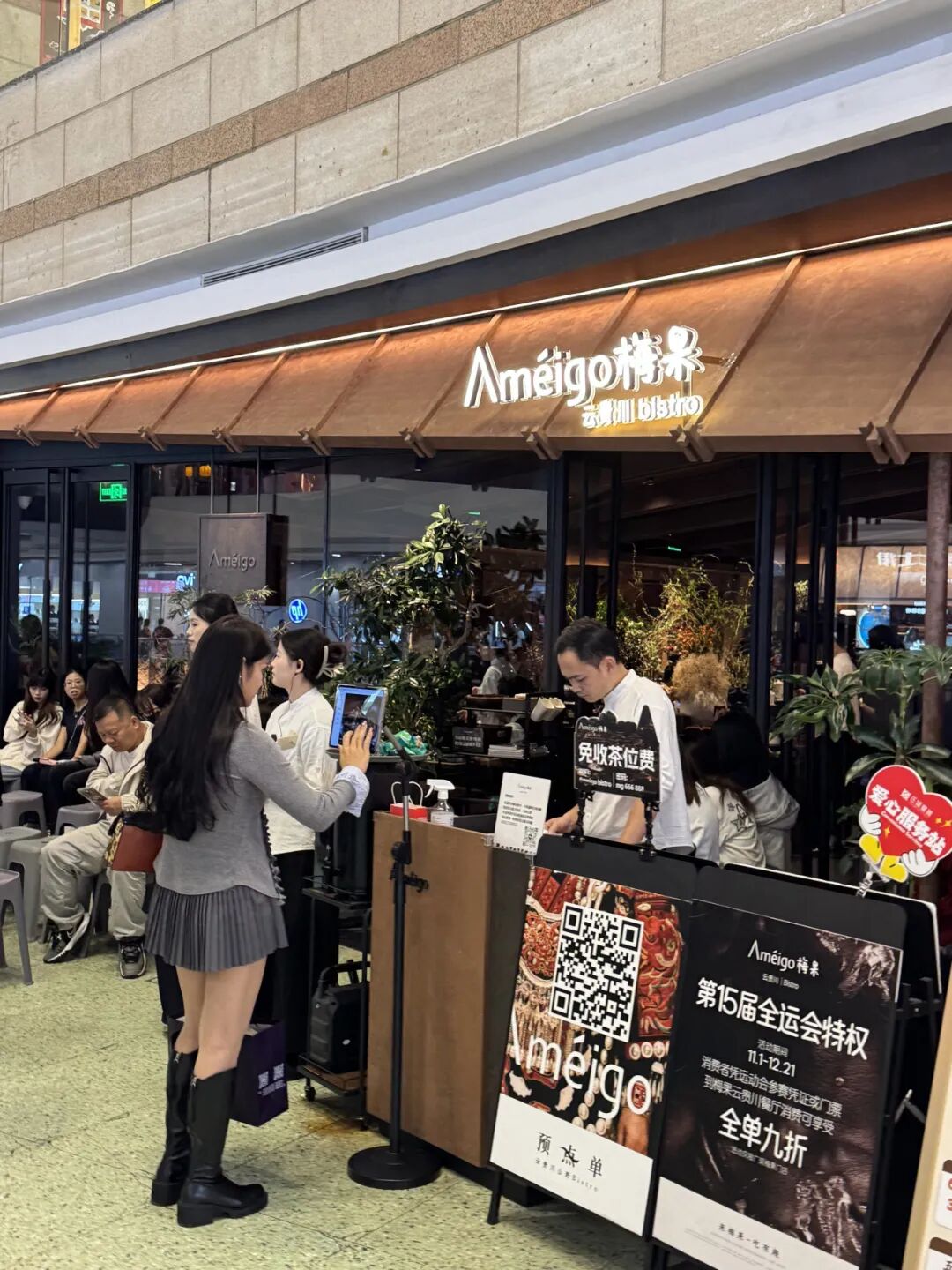
Core Insights - The rise of Yun-Guizhou-Sichuan bistro culture has captivated young consumers in major cities, leading to long queues and high demand for these dining experiences [1][3][5] - The pricing strategy of these bistros has sparked discussions on value perception, with significant markups compared to traditional local eateries [1][14] Group 1: Market Trends - The trend of Yun-Guizhou-Sichuan bistros is rapidly expanding, with notable presence in cities like Shanghai (35 locations), Beijing (22), and Guangzhou (14) [5] - Popular brands such as Ameigo have opened over 120 locations nationwide, indicating strong market penetration and consumer interest [5][6] - The bistro concept has transformed local cuisine into a nationwide dining trend, driven by social media and cultural influences [9][21] Group 2: Consumer Behavior - Young consumers are drawn to the emotional value and aesthetic appeal of these bistros, often prioritizing the dining experience over traditional taste [10][21] - The phenomenon of "emotional consumption" is evident, as consumers are willing to pay premium prices for the ambiance and presentation of dishes [10][21] Group 3: Product Innovation - Bistros are innovating traditional dishes by incorporating unique ingredients and presentation styles, moving away from conventional ethnic food perceptions [11][12] - The integration of local ingredients with modern culinary techniques has created a new dining experience that appeals to a broader audience [12] Group 4: Competitive Landscape - The market is facing challenges of homogenization, with many bistros offering similar menus and experiences, leading to consumer fatigue [20] - Established brands in the hot pot sector are entering the bistro space, intensifying competition and putting pressure on newer entrants [20][21] - The profitability of bistro brands is reportedly declining, with some founders acknowledging increased operational challenges [20][21]


8元米线卖48元,云贵川bistro为何让年轻人上头?
2 1 Shi Ji Jing Ji Bao Dao· 2025-11-23 02:13
Core Insights - The rise of "Yunnan-Guizhou-Sichuan bistro" has become a trend among young consumers in major cities, leading to long queues and high demand for these dining experiences [1][3][4] - The average spending at these bistros is significantly higher than traditional local restaurants, with some dishes marked up by as much as six times [1][10] - The popularity of these bistros is attributed to a combination of social media influence, innovative menu offerings, and a unique dining atmosphere that appeals to younger generations [6][7][8] Market Expansion - A rapid expansion of Yunnan-Guizhou-Sichuan bistros is observed in cities like Shanghai, Beijing, and Guangzhou, with a notable number of establishments opening in a short period [3][4] - Brands like Ameigo and Shanyeban have quickly established a strong presence, with Ameigo operating over 120 locations nationwide [4] Consumer Behavior - Young consumers are drawn to the emotional value and aesthetic appeal of the dining experience, often prioritizing the ambiance and presentation over traditional taste [7][8] - The trend is fueled by social media, where users share their experiences and promote the bistros, creating a sense of community and shared experience [6][7] Menu Innovation - The bistros are known for their creative reinterpretations of traditional dishes, incorporating unique ingredients and presentation styles that differentiate them from conventional offerings [8][9] - The use of high-quality, locally sourced ingredients is supported by a mature supply chain, ensuring freshness and authenticity [9] Competitive Landscape - The market is becoming increasingly competitive, with traditional hotpot brands entering the space, intensifying the pressure on new bistro brands [16] - Concerns about brand differentiation and consumer retention are emerging, as many bistros face challenges related to homogeneity in branding and menu offerings [16][17] Financial Viability - Some bistro founders have reported increasing difficulties in profitability, indicating a potential shift in market dynamics as initial novelty wears off [17] - The sustainability of the bistro trend may depend on balancing quality, pricing, and consumer expectations in a rapidly evolving market [17]