锐澳预调鸡尾酒

Search documents
微醺情绪价值“稀释” 百润股份的威士忌梦能否“救场”
Bei Jing Shang Bao· 2025-11-11 11:01
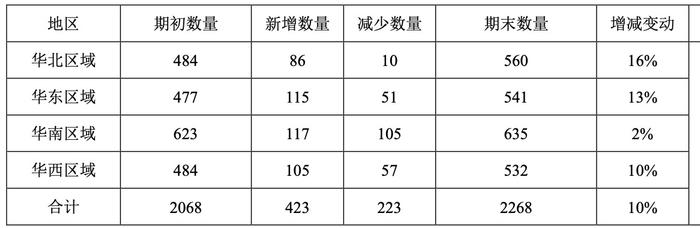
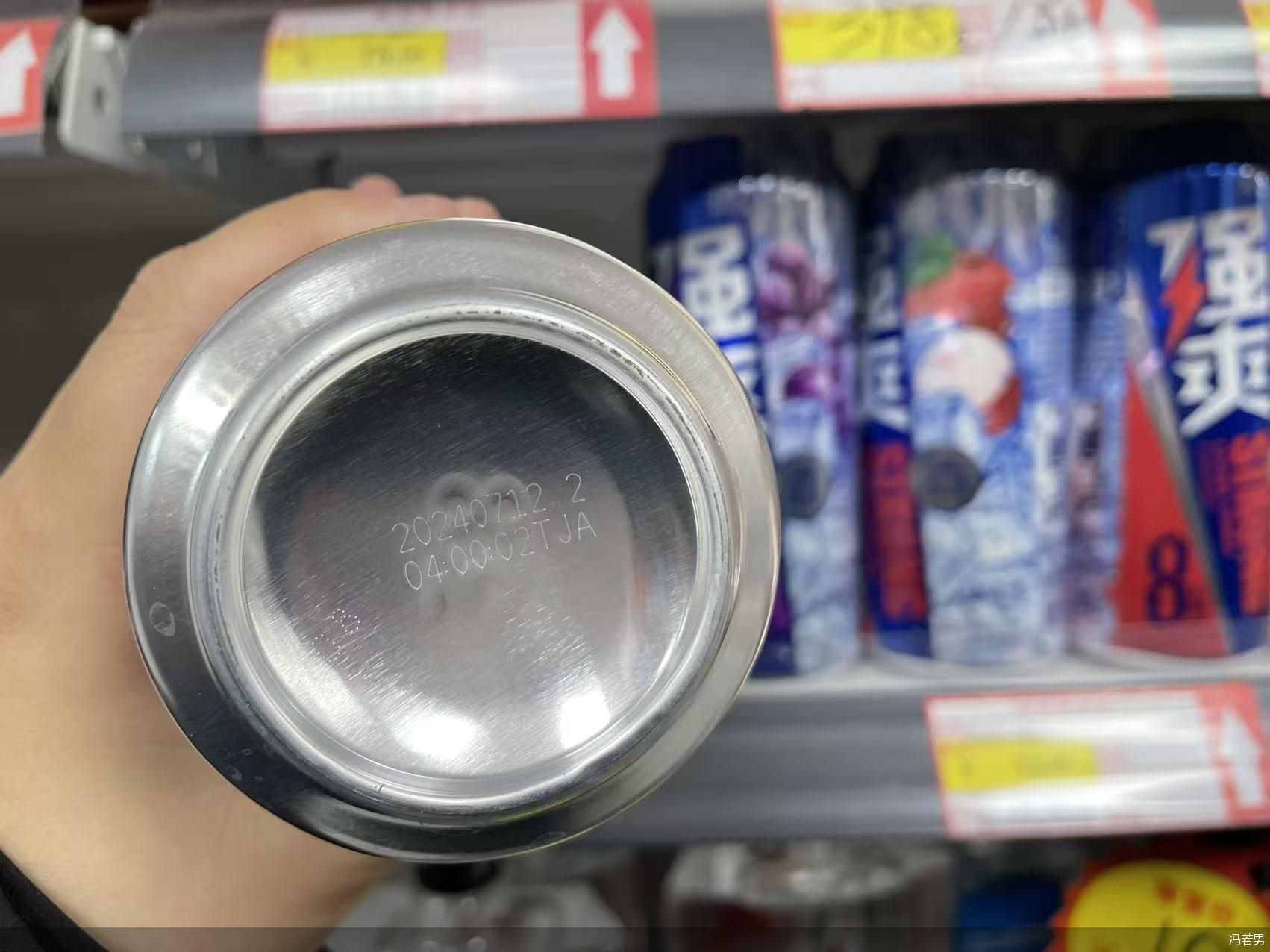
Core Viewpoint - RIO's market position has weakened significantly, with its products being replaced by competitors in the low-alcohol beverage segment, leading to declining sales and financial performance for its parent company, Bairun Co. [1][5] Group 1: Market Position and Sales Performance - RIO's products, once dominating low-alcohol beverage shelves, now occupy less than one-third of the space, with many products nearing expiration dates [3][4] - Bairun Co. reported a revenue decline of approximately 5% and a net profit decrease of about 4% in the first three quarters of the year [4][5] - The company's inventory turnover days have increased significantly, indicating slower sales, with the latest figure reaching 468.66 days [4] Group 2: Competitive Landscape - The low-alcohol beverage market is becoming increasingly competitive, with brands like Suntory's Holo and 196°C gaining popularity among consumers [7][8] - The market is shifting from a blue ocean to a red ocean, with various brands, including traditional liquor companies, entering the low-alcohol segment, further squeezing RIO's market share [8][9] Group 3: Future Growth Strategies - Bairun Co. is exploring whiskey as a second growth curve, having initiated its whiskey business in 2016 and launching brands like "Laizhou" and "Bailide" [9][10] - The domestic whiskey market is expanding, with a projected capacity of 5 to 8 billion yuan and an annual growth rate of at least 15% [10][11] - However, Bairun Co. faces challenges in brand recognition and sales performance in the whiskey segment, as its products are less known compared to established brands [10][11]


营收净利双降,百润股份RIO增长光环褪色
Xin Lang Cai Jing· 2025-08-27 10:31
Core Viewpoint - RIO's parent company, Bairun Co., is facing significant performance pressure as it transitions from a period of growth driven by the "stay-at-home economy" to a decline in revenue and profit, particularly in the ready-to-drink cocktail segment [1][2][3]. Financial Performance - In the first half of 2025, Bairun's total revenue was 1.489 billion yuan, a year-on-year decline of 8.56% [1]. - The net profit attributable to shareholders was 389 million yuan, down 3.32% year-on-year, while the net profit after deducting non-recurring gains and losses was 356 million yuan, a decrease of 9.04% [1]. - Revenue from alcoholic beverages, which account for 88% of total revenue, was 1.297 billion yuan, down 9.35% year-on-year [1]. Market Challenges - The North and West China markets are facing significant challenges, with revenues declining by 21.43% and 23.05% respectively, despite an increase in the number of distributors [2]. - RIO is experiencing dual pressures from declining internal growth momentum and disruptive shifts in consumer value [2][3]. Product and Competitive Landscape - RIO, once a market leader in the ready-to-drink cocktail segment, is losing its growth momentum due to weak consumption scenarios and a lack of price competitiveness compared to beer [3][4]. - The rise of diverse low-alcohol beverages, such as fruit wines and non-alcoholic beers, is further eroding RIO's market share [4]. - RIO's new product, jelly wine, aims to integrate the "tipsy" experience into casual snacking, but faces challenges in consumer motivation [4]. Sales Channels - Offline channels accounted for over 89% of RIO's revenue, which saw a year-on-year decline of 9.63%, while online channels made up about 11% with a slight decline of 0.57% [4]. - RIO's low sales in ready-to-drink formats indicate a misalignment with consumer purchasing behaviors, which favor impulse buys in physical stores [5][7]. Strategic Shift - In response to the stagnation in RIO's growth, Bairun is shifting its strategic focus towards developing its whiskey business, which has begun operations and is expected to contribute to future revenue [9][10]. - The whiskey segment aims to capture different market segments, with brands like "Bailide" targeting mass consumption and "Laizhou" focusing on premium offerings [9][10]. Profitability Concerns - Despite a relatively stable asset structure, Bairun faces risks related to high sales expenses, which have pressured profit margins [14][15]. - The company's gross profit margin for its main business was 70.51%, but high sales expenses of 301 million yuan significantly impacted profitability [14].