
镇静催眠药

Search documents
不止头孢 吃完这些药也不能喝酒
Yang Shi Xin Wen· 2026-02-27 22:38
Core Viewpoint - The article emphasizes the dangers of consuming alcohol while taking various medications, highlighting specific drug categories that can have severe adverse reactions when combined with alcohol. Group 1: Antibiotics - Most cephalosporin antibiotics contain a chemical structure similar to disulfiram, which can lead to disulfiram-like reactions when alcohol is consumed, resulting in symptoms such as facial flushing, nausea, and even death [2] - Other antibiotics that interact negatively with alcohol include fluoroquinolones (e.g., levofloxacin, moxifloxacin), macrolides (e.g., erythromycin), nitroimidazoles (e.g., metronidazole), nitrofuran derivatives (e.g., nitrofurantoin), antifungals (e.g., ketoconazole), antituberculars (e.g., isoniazid), and sulfonamides (e.g., trimethoprim-sulfamethoxazole) [3][4][5][6][7][8] Group 2: Non-Steroidal Anti-Inflammatory Drugs (NSAIDs) - NSAIDs such as acetaminophen, ibuprofen, and aspirin can increase liver toxicity and the risk of gastrointestinal bleeding when taken with alcohol [9][10] Group 3: Antidiabetic Medications - Alcohol can cause severe reactions when combined with antidiabetic drugs like insulin and metformin, leading to symptoms such as sweating, rapid heartbeat, and even coma [11][12] Group 4: Sedatives and Hypnotics - Alcohol accelerates the absorption of sedatives and hypnotics, enhancing their effects and potentially leading to serious consequences [13][14] Group 5: Antihypertensive Drugs - Consuming alcohol while on antihypertensive medications can lead to excessive vasodilation and a significant drop in blood pressure, increasing the risk of fainting [15] Group 6: General Recommendations - It is advised to avoid alcohol for three days after taking medication and to refrain from taking medication for seven days after drinking alcohol. Additionally, products containing alcohol, such as certain foods and medications, should also be avoided [17] - Specific drinking tips include eating before drinking, avoiding mixing different types of alcohol, limiting alcohol intake to a maximum of 15 grams per day, and staying hydrated [18][19][20]

过年千万别这样喝!这6种“伤身喝法”,很多人以为是酒量好
Xin Lang Cai Jing· 2026-02-20 04:12
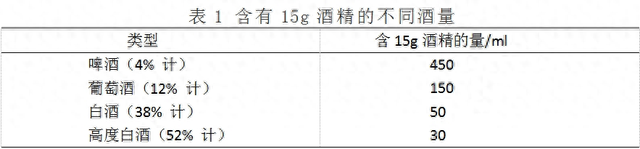
Core Viewpoint - The article emphasizes the hidden dangers of alcohol consumption, particularly during festive gatherings, highlighting that alcohol can harm various organs beyond just the stomach [1] Group 1: Harmful Drinking Practices - Mixing different types of alcohol can lead to excessive drinking and increase the risk of acute alcohol poisoning due to accelerated absorption [3][4] - Consuming alcohol while on medication can be dangerous; individuals should wait at least 7 days after stopping medication that interacts with alcohol before drinking [3] - Drinking alcohol while experiencing facial flushing indicates a potential deficiency in acetaldehyde dehydrogenase, leading to harmful acetaldehyde accumulation, which is a known carcinogen [4] - Mixing alcohol with carbonated drinks can speed up alcohol absorption and increase gastric irritation, leading to discomfort [5] - Combining alcohol with strong tea or coffee can exacerbate dehydration and may lead to heart rhythm issues due to the combined stimulant and depressant effects [6] Group 2: Recommendations for Safer Drinking - Adults should limit alcohol intake to a maximum of 15 grams of pure alcohol per day, equivalent to approximately 450 ml of beer or 150 ml of wine [6][7] - Eating before drinking can mitigate the effects of alcohol and reduce direct irritation to the stomach [7] - Drinking slowly allows the liver more time to metabolize alcohol, preventing rapid intoxication [8] - Staying hydrated by drinking water can help dilute alcohol and promote its elimination from the body [8] - It is advisable to wait for about an hour after drinking before going to sleep to reduce the risk of complications from unprocessed alcohol [9]
吃胶囊药千万别喝热水!医生提醒
Xin Lang Cai Jing· 2025-12-27 03:17
Core Viewpoint - The article emphasizes that using hot water to take medication, especially capsules, can be detrimental to drug efficacy and may pose health risks [1][2]. Group 1: Risks of Using Hot Water for Medication - Hot water, particularly above 40°C, can damage the efficacy of certain medications, leading to adverse effects such as gastrointestinal discomfort and ineffective treatment [1][2]. - Capsules, especially those made from gelatin, are sensitive to heat; exposure to water at 50°C for just 10 seconds can cause them to soften and become sticky [2][4]. - If capsules dissolve prematurely in the esophagus due to hot water, it can create a high osmotic environment, potentially causing burns and drug-induced esophagitis [4]. Group 2: Specific Health Risks Associated with Capsules - Some capsules are enteric-coated to protect the drug from stomach acid; using hot water can compromise this coating, leading to gastric irritation and ineffective drug delivery to the intestines [5]. - Certain capsules are designed for controlled or sustained release; if the capsule shell is damaged, it may result in rapid drug release, causing adverse reactions [6]. Group 3: Recommendations for Taking Medication - It is advised to use room temperature or cool water (around 40°C) for taking most medications, avoiding temperatures above 60°C [11]. - For specific medications like vitamins, digestive aids, and certain syrups, hot water can degrade their effectiveness or alter their intended action [12][14]. - After taking capsules, it is recommended to wait before consuming hot beverages to prevent compromising the capsule's integrity [6]. Group 4: Proper Techniques for Taking Capsules - Individuals who have difficulty swallowing capsules should adopt techniques such as standing or sitting upright and using a forward-leaning position to facilitate swallowing [8][9]. - It is important to avoid using hot water to prevent softening the capsule shell, which can hinder swallowing [9]. Group 5: General Guidelines for Medication Intake - It is generally recommended to avoid using tea, juice, milk, or alcohol when taking medications, as these can interact negatively with the drugs [16]. - Maintaining an upright position for at least 5-10 minutes after taking medication is advised to reduce the risk of esophageal damage [16][17].
司机吃完感冒药开车撞上高速护栏,“前一秒还清醒,一下子就昏了”,交警提醒
Xin Lang Cai Jing· 2025-12-20 09:50
Group 1 - The article reports an incident where a driver lost control of their vehicle due to drowsiness caused by medication taken for a cold, leading to a crash [1] - The driver, Liu, stated that he felt suddenly drowsy after taking medication, which impaired his ability to drive safely [1] Group 2 - Traffic police warn that certain medications, including antihistamines, pain relievers, and sedatives, can cause side effects such as drowsiness and dizziness, significantly affecting driving safety [2] - Drivers are advised to communicate their driving needs to doctors before taking medication and to carefully read the side effects and contraindications on medication labels [2] - Recommendations include maintaining a regular sleep schedule, avoiding driving during peak drowsiness times, and planning rest breaks during long drives to prevent fatigue [2]
感冒发烧吃药后上路,司机:“前一秒还清醒,一下子就昏了”
Xin Lang Cai Jing· 2025-12-20 03:36
Core Points - The article highlights a traffic accident caused by a driver who experienced sudden drowsiness after taking medication for a cold [1] - It emphasizes the importance of understanding the side effects of certain medications that can impair driving ability [2] Group 1: Accident Details - On December 11, 2025, a driver named Liu lost control of his vehicle while driving on the Fuyin Expressway in Jiangxi, resulting in a collision with roadside signs and barriers [1] - Liu reported that he felt suddenly drowsy after taking medication for a cold, which he claimed led to the accident [1] Group 2: Medication Warnings - The article warns that various medications, including antihistamines, pain relievers, sedatives, and others, can cause drowsiness, dizziness, and impaired reaction times, significantly affecting driving safety [2] - Drivers are advised to communicate their driving needs to healthcare providers before taking medication and to carefully read the warnings on medication packaging regarding driving restrictions [2]