
解热镇痛药

Search documents
过年千万别这样喝!这6种“伤身喝法”,很多人以为是酒量好
Xin Lang Cai Jing· 2026-02-20 04:12
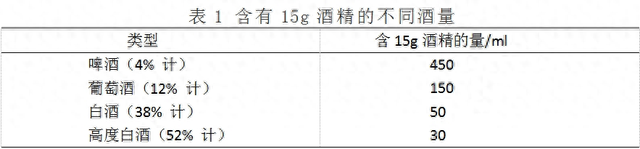
Core Viewpoint - The article emphasizes the hidden dangers of alcohol consumption, particularly during festive gatherings, highlighting that alcohol can harm various organs beyond just the stomach [1] Group 1: Harmful Drinking Practices - Mixing different types of alcohol can lead to excessive drinking and increase the risk of acute alcohol poisoning due to accelerated absorption [3][4] - Consuming alcohol while on medication can be dangerous; individuals should wait at least 7 days after stopping medication that interacts with alcohol before drinking [3] - Drinking alcohol while experiencing facial flushing indicates a potential deficiency in acetaldehyde dehydrogenase, leading to harmful acetaldehyde accumulation, which is a known carcinogen [4] - Mixing alcohol with carbonated drinks can speed up alcohol absorption and increase gastric irritation, leading to discomfort [5] - Combining alcohol with strong tea or coffee can exacerbate dehydration and may lead to heart rhythm issues due to the combined stimulant and depressant effects [6] Group 2: Recommendations for Safer Drinking - Adults should limit alcohol intake to a maximum of 15 grams of pure alcohol per day, equivalent to approximately 450 ml of beer or 150 ml of wine [6][7] - Eating before drinking can mitigate the effects of alcohol and reduce direct irritation to the stomach [7] - Drinking slowly allows the liver more time to metabolize alcohol, preventing rapid intoxication [8] - Staying hydrated by drinking water can help dilute alcohol and promote its elimination from the body [8] - It is advisable to wait for about an hour after drinking before going to sleep to reduce the risk of complications from unprocessed alcohol [9]

吃这几类药,千万别喝热水!
Xin Lang Cai Jing· 2025-12-28 03:55
Core Viewpoint - The article emphasizes the importance of using the correct temperature and type of water when taking medication, particularly capsules, as using hot water can compromise drug efficacy and pose health risks [1][2]. Group 1: Medication Administration Guidelines - Hot water, especially above 40°C, can damage the efficacy of certain medications, particularly enteric-coated capsules, leading to gastrointestinal discomfort and ineffective treatment [1]. - Capsules, which account for about 20% of prescriptions, are sensitive to heat; gelatin capsules can soften and become sticky in water above 50°C, potentially causing them to dissolve prematurely in the esophagus [1]. - It is recommended to use room temperature or cool water for taking capsules, and to avoid hot water to prevent softening of the capsule shell [1][2]. Group 2: Risks Associated with Improper Water Temperature - Using hot water can lead to esophageal damage, especially with irritating medications like doxycycline and ibuprofen, as the capsule may dissolve too early [1]. - Enteric-coated capsules are designed to protect the drug from stomach acid; using hot water can compromise this protective layer, leading to gastric irritation and ineffective drug absorption [1]. - Some medications require specific storage conditions; for example, soft capsules should be stored at 8°C to 20°C, and using hot water can increase the risk of degradation [1]. Group 3: Recommendations for Specific Medications - Certain medications, such as vitamins and digestive aids, should not be taken with hot water as heat can degrade their effectiveness [1][2]. - Medications containing live bacteria should be taken with cool or warm water, and hot water can kill the active cultures [1]. - After taking capsules, it is advisable to wait before consuming hot beverages to avoid compromising the medication [1]. Group 4: General Medication Taking Practices - It is important to maintain an upright position for at least 5-10 minutes after taking medication to reduce the risk of esophageal injury [2]. - When taking multiple medications, it is advisable to consult a pharmacist to avoid interactions and ensure proper timing between doses [2]. - Crushing or splitting medications should only be done if specified in the instructions or under professional guidance [2].
吃胶囊药千万别喝热水!医生提醒
Xin Lang Cai Jing· 2025-12-27 03:17
Core Viewpoint - The article emphasizes that using hot water to take medication, especially capsules, can be detrimental to drug efficacy and may pose health risks [1][2]. Group 1: Risks of Using Hot Water for Medication - Hot water, particularly above 40°C, can damage the efficacy of certain medications, leading to adverse effects such as gastrointestinal discomfort and ineffective treatment [1][2]. - Capsules, especially those made from gelatin, are sensitive to heat; exposure to water at 50°C for just 10 seconds can cause them to soften and become sticky [2][4]. - If capsules dissolve prematurely in the esophagus due to hot water, it can create a high osmotic environment, potentially causing burns and drug-induced esophagitis [4]. Group 2: Specific Health Risks Associated with Capsules - Some capsules are enteric-coated to protect the drug from stomach acid; using hot water can compromise this coating, leading to gastric irritation and ineffective drug delivery to the intestines [5]. - Certain capsules are designed for controlled or sustained release; if the capsule shell is damaged, it may result in rapid drug release, causing adverse reactions [6]. Group 3: Recommendations for Taking Medication - It is advised to use room temperature or cool water (around 40°C) for taking most medications, avoiding temperatures above 60°C [11]. - For specific medications like vitamins, digestive aids, and certain syrups, hot water can degrade their effectiveness or alter their intended action [12][14]. - After taking capsules, it is recommended to wait before consuming hot beverages to prevent compromising the capsule's integrity [6]. Group 4: Proper Techniques for Taking Capsules - Individuals who have difficulty swallowing capsules should adopt techniques such as standing or sitting upright and using a forward-leaning position to facilitate swallowing [8][9]. - It is important to avoid using hot water to prevent softening the capsule shell, which can hinder swallowing [9]. Group 5: General Guidelines for Medication Intake - It is generally recommended to avoid using tea, juice, milk, or alcohol when taking medications, as these can interact negatively with the drugs [16]. - Maintaining an upright position for at least 5-10 minutes after taking medication is advised to reduce the risk of esophageal damage [16][17].
喝酒吃辣祛寒不可取
Xin Lang Cai Jing· 2025-12-21 07:19
Core Viewpoint - The article emphasizes the importance of proper winter health practices, particularly during the winter solstice, highlighting the need for warmth, balanced nutrition, and caution against common misconceptions regarding alcohol and spicy food consumption [1] Group 1: Health Recommendations - Individuals should pay attention to warmth and dress appropriately when going outside during the coldest season [1] - It is advised to maintain a balanced diet, avoiding alcohol and spicy foods, which are commonly believed to help with cold resistance but can actually lead to adverse health effects [1] Group 2: Misconceptions about Alcohol and Spicy Food - Drinking alcohol can lead to faster heat loss from the body, increasing the risk of catching a cold [1] - Alcohol can interact negatively with various medications, such as cephalosporins and analgesics, potentially causing severe side effects [1] Group 3: Dietary Considerations for Winter - Traditional practices suggest dietary supplementation during winter, focusing on warming and nourishing foods [1] - Individuals who are sensitive to cold should consume warming foods like lamb and beef, while those experiencing dryness should opt for foods like black fungus and white fungus [1] - It is recommended to consult a doctor before making dietary changes, as food supplementation should consider personal health conditions and environments [1]
司机吃完感冒药开车撞上高速护栏,“前一秒还清醒,一下子就昏了”,交警提醒
Xin Lang Cai Jing· 2025-12-20 09:50
Group 1 - The article reports an incident where a driver lost control of their vehicle due to drowsiness caused by medication taken for a cold, leading to a crash [1] - The driver, Liu, stated that he felt suddenly drowsy after taking medication, which impaired his ability to drive safely [1] Group 2 - Traffic police warn that certain medications, including antihistamines, pain relievers, and sedatives, can cause side effects such as drowsiness and dizziness, significantly affecting driving safety [2] - Drivers are advised to communicate their driving needs to doctors before taking medication and to carefully read the side effects and contraindications on medication labels [2] - Recommendations include maintaining a regular sleep schedule, avoiding driving during peak drowsiness times, and planning rest breaks during long drives to prevent fatigue [2]
感冒发烧吃药后上路,司机:“前一秒还清醒,一下子就昏了”
Xin Lang Cai Jing· 2025-12-20 03:36
Core Points - The article highlights a traffic accident caused by a driver who experienced sudden drowsiness after taking medication for a cold [1] - It emphasizes the importance of understanding the side effects of certain medications that can impair driving ability [2] Group 1: Accident Details - On December 11, 2025, a driver named Liu lost control of his vehicle while driving on the Fuyin Expressway in Jiangxi, resulting in a collision with roadside signs and barriers [1] - Liu reported that he felt suddenly drowsy after taking medication for a cold, which he claimed led to the accident [1] Group 2: Medication Warnings - The article warns that various medications, including antihistamines, pain relievers, sedatives, and others, can cause drowsiness, dizziness, and impaired reaction times, significantly affecting driving safety [2] - Drivers are advised to communicate their driving needs to healthcare providers before taking medication and to carefully read the warnings on medication packaging regarding driving restrictions [2]
8月1日主题复盘 | 医药持续活跃,光伏再度表现,AI应用午后大涨
Xuan Gu Bao· 2025-08-01 08:03
Market Overview - The market experienced a high and then a pullback, with the three major indices slightly down. The pharmaceutical sector continued its strong performance, with stocks like Qizheng Zangyao and Asia-Pacific Pharmaceutical hitting the daily limit. AI application stocks remained active, with companies like Qidi Design and Zhengzhong Design also reaching the limit. The photovoltaic sector saw a collective rebound, with stocks such as Jiejia Weichuang and Shuangliang Energy hitting the limit. Overall, more stocks rose than fell, with over 3,300 stocks in the Shanghai and Shenzhen markets showing gains, and today's trading volume was 1.62 trillion, a decrease of over 340 billion from the previous day [1]. Sector Highlights Pharmaceuticals - The pharmaceutical sector continued to surge, with Qizheng Zangyao achieving three consecutive limits, and Asia-Pacific Pharmaceutical and Fuyuan Pharmaceutical also hitting the limit. Notable stock performances include: - Qizheng Zangyao: Latest price 34.69, up 9.99%, market cap 18.389 billion [5] - Asia-Pacific Pharmaceutical: Latest price 7.40, up 9.96%, market cap 5.518 billion [6] - Fuyuan Pharmaceutical: Latest price 26.54, up 9.99%, market cap 12.739 billion [6] - Analysts believe the innovative drug sector's prosperity is sustainable, driven by policy support and increasing global competitiveness. The recovery of overseas orders and performance in the innovative drug supply chain is also noted, with expectations for a rebound in demand by 2025 [4][6]. Artificial Intelligence - The AI application sector saw significant gains, with stocks like Huanqiu Printing and Zhengzhong Design hitting the limit. Notable performances include: - Huanqiu Printing: Latest price 10.16, up 9.96%, market cap 3.252 billion [10] - Zhengzhong Design: Latest price 11.66, up 10.00%, market cap 3.301 billion [10] - Qidi Design: Latest price 16.08, up 20.00%, market cap 2.695 billion [10] - The recent strong debut of Figma on the NYSE, closing at $115.5 with a 250% increase, highlights the potential for AI-driven design tools to disrupt traditional markets [8][11]. Photovoltaics - The photovoltaic sector showed renewed strength, with stocks like Wenkai Co. and Jiejia Weichuang hitting the limit. Key stock performances include: - Wenkai Co.: Latest price 4.84, up 10.00%, market cap 2.145 billion [13] - Jiejia Weichuang: Latest price 66.19, up 20.00%, market cap 19.006 billion [12] - Jiejia Weichuang's recent earnings forecast indicates a net profit of 1.7 to 1.96 billion, representing a year-on-year growth of 38.65% to 59.85% [12]. - The Ministry of Industry and Information Technology's recent notice on energy conservation in the polysilicon industry is expected to accelerate supply-side reforms in the photovoltaic sector [12][14].




中国原料药行业发展现状及趋势预测(2025)
Sou Hu Cai Jing· 2025-07-10 09:52
Industry Overview - The Chinese active pharmaceutical ingredients (API) industry plays a crucial role in the pharmaceutical sector, being the largest producer and exporter globally, particularly in antibiotics, vitamins, and analgesics [8][31] - APIs are essential for drug production, requiring processing into formulations for clinical use, and are widely applied in pharmaceuticals, cosmetics, and other fields [8][10] Market Development - The global API market is steadily growing, projected to reach $226.1 billion in 2024, with China's chemical API revenue expected to be ¥578.3 billion, accounting for 35.5% of the global market [3][39] - The biopharmaceutical API market in China was approximately ¥120 billion in 2023, anticipated to grow to ¥180 billion by 2025, reflecting a compound annual growth rate of about 12% [3][39] - In terms of capacity, China's API production peaked at 3.48 million tons in 2017 but declined due to environmental regulations, with a gradual recovery starting in 2020 [3][40] Enterprise Landscape - By 2024, three companies are expected to exceed ¥10 billion in revenue, with New and Better being the leader, while the majority of enterprises are concentrated in Jiangsu and Shandong provinces [4][39] - The market is characterized by a low concentration, with small and medium-sized enterprises dominating, and direct sales being the primary sales model [4][39] Challenges Faced - The industry faces several challenges, including insufficient investment in R&D, high market entry barriers, lack of industry chain collaboration, intensified competition, and increased compliance costs [4][39] - Domestic regulatory issues include a dual-track system and inadequate transport adaptability, which complicate operations [4][39] Future Trends and Opportunities - The growth in pharmaceutical demand, advancements in biotechnology, and supportive policies present significant opportunities for the industry [4][39] - Key trends include the expiration of patents leading to market expansion, environmental regulations driving industry consolidation, integration of APIs and formulations, and the development of Contract Development and Manufacturing Organizations (CDMO) [4][39] - The industry is encouraged to embrace green practices, increase innovation investments, and enhance industry collaboration to improve competitiveness [4][39]

荆门化工循环产业园:“链”聚新势能 “质”创新未来
Zhong Guo Hua Gong Bao· 2025-07-07 06:34
Core Viewpoint - The Jingmen Chemical Circular Industry Park is advancing its "oil-to-special" project, marking a new phase in the optimization and upgrading of the petrochemical industry, which is crucial for regional economic development [1] Group 1: Industry Development - The petrochemical industry is a pillar of the Jingmen Chemical Circular Industry Park, which has successfully attracted 28 downstream enterprises, creating a complete industrial ecosystem from basic raw materials to high-end new materials [2] - The park has implemented a "one enterprise, one policy" approach to optimize land use, reviving six inefficient enterprises and freeing up hundreds of acres for new projects [2] - The park is focusing on technological innovation and supporting enterprises in applying for provincial-level technical transformation projects to upgrade production processes [2] Group 2: Industrial Chain Collaboration - The park is enhancing industrial chain collaboration by attracting Fortune 500 and specialized projects, effectively connecting upstream and downstream enterprises within the carbon one industrial chain [3] - The lithium battery materials industry chain is thriving, with a complete lifecycle resource recycling model established, expected to generate a total output value of 20 billion yuan upon full production [3] - The park has achieved a virtuous cycle of "large projects driving the gathering of supporting enterprises and the development of industrial clusters" [3] Group 3: Quality and Precision in Development - The park emphasizes high-quality development by providing tailored solutions for enterprises facing labor shortages and financing difficulties, fostering collaboration among enterprises [4] - Significant investments are being made in key industries, such as a 1.5 billion yuan expansion of a photoinitiator project, which is expected to add 3.5 billion yuan in output value [4] Group 4: Niche Market Focus - The park adopts a "small but refined" approach, particularly in the waterproof materials industry, where it has attracted leading companies to form a specialized industrial chain expected to exceed 2 billion yuan in total output value [5] Group 5: Talent Development - The park prioritizes talent development by establishing a chemical safety skills training base and forming a talent alliance to integrate resources from universities and leading enterprises [6] - The collaboration with Wuhan University of Engineering aims to create a seamless connection between talent training and industry needs, enhancing the innovation vitality of the biopharmaceutical industry chain [6] - The biopharmaceutical sector has expanded its product matrix to cover 324 varieties across six categories, becoming a key driver of regional economic growth [6]
江苏吴中(600200) - 江苏吴中医药发展股份有限公司关于2025年1-3月主要经营数据的公告
2025-04-29 14:13
证券代码:600200 证券简称:江苏吴中 公告编号:临 2025-029 江苏吴中医药发展股份有限公司 关于 2025 年 1-3 月主要经营数据的公告 本公司董事会及董事会全体成员保证公告内容不存在虚假记载、误导性陈 述或者重大遗漏,并对其内容的真实、准确和完整承担法律责任。 江苏吴中医药发展股份有限公司(以下简称"公司")主营业务 2025 年 1-3 月主要经营数据情况公告如下: 1、2025 年 1-3 月,公司医美生科业务累计实现主营业务收入 11,302.25 万元,较上年同期增长 11,175.09 万元,增长 8,781.59%,医美生科业务主营业 务毛利 9,257.49 万元,较上年同期增长 9,186.40 万元,增长 12,922.63%。 2025 年 1-3 月,公司医药业务累计实现主营业务收入 19,753.26 万元(其 中医药工业 13,972.06 万元,医药商业 5,781.21 万元),较上年同期减少 21,844.15 万元,减少 52.51%,医药业务主营业务毛利 10,473.57 万元,较上年 同期减少 3,547.84 万元,减少 25.30%。 治疗领域 ...
