健康饮酒

Search documents
过年千万别这样喝!这6种“伤身喝法”,很多人以为是酒量好
Xin Lang Cai Jing· 2026-02-20 04:12
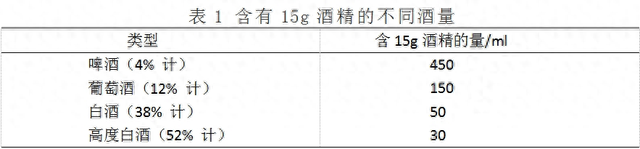
Core Viewpoint - The article emphasizes the hidden dangers of alcohol consumption, particularly during festive gatherings, highlighting that alcohol can harm various organs beyond just the stomach [1] Group 1: Harmful Drinking Practices - Mixing different types of alcohol can lead to excessive drinking and increase the risk of acute alcohol poisoning due to accelerated absorption [3][4] - Consuming alcohol while on medication can be dangerous; individuals should wait at least 7 days after stopping medication that interacts with alcohol before drinking [3] - Drinking alcohol while experiencing facial flushing indicates a potential deficiency in acetaldehyde dehydrogenase, leading to harmful acetaldehyde accumulation, which is a known carcinogen [4] - Mixing alcohol with carbonated drinks can speed up alcohol absorption and increase gastric irritation, leading to discomfort [5] - Combining alcohol with strong tea or coffee can exacerbate dehydration and may lead to heart rhythm issues due to the combined stimulant and depressant effects [6] Group 2: Recommendations for Safer Drinking - Adults should limit alcohol intake to a maximum of 15 grams of pure alcohol per day, equivalent to approximately 450 ml of beer or 150 ml of wine [6][7] - Eating before drinking can mitigate the effects of alcohol and reduce direct irritation to the stomach [7] - Drinking slowly allows the liver more time to metabolize alcohol, preventing rapid intoxication [8] - Staying hydrated by drinking water can help dilute alcohol and promote its elimination from the body [8] - It is advisable to wait for about an hour after drinking before going to sleep to reduce the risk of complications from unprocessed alcohol [9]

佳节欢聚莫贪杯!镇江市五院发布节日健康饮酒提示
Xin Lang Cai Jing· 2026-02-14 05:04
Core Viewpoint - The article emphasizes the importance of responsible drinking during the festive season, highlighting the cultural significance of alcohol in Chinese traditions while addressing the health risks associated with excessive drinking. It also announces a new alcohol dependence treatment program to promote healthy drinking habits among citizens [1][3]. Group 1: Cultural Significance of Alcohol - Traditional drinking customs in China have a rich history and cultural depth, serving as important means of emotional communication [3]. - Examples of traditional alcoholic beverages include the medicinal "屠苏酒" from the Han Dynasty and "菊花酒" from the Jin Dynasty, which embody ancient health wisdom [3]. Group 2: Health Risks of Excessive Drinking - Long-term excessive drinking can lead to multiple health issues, including fatty liver, hepatitis, and potentially cirrhosis [3]. - Alcohol abuse can cause irreversible damage to the nervous system, increasing the likelihood of cognitive impairments by 3-5 times compared to the general population [3]. - High alcohol consumption raises blood pressure and significantly increases the risk of cardiovascular diseases such as myocardial infarction [3]. Group 3: Recommendations for Responsible Drinking - Experts recommend pre-drinking strategies such as consuming high-protein and high-fat foods to protect the gastrointestinal tract and slow alcohol absorption [4]. - During drinking, it is advised to sip slowly, alternate between alcohol and water, and avoid carbonated drinks [4]. - Post-drinking suggestions include consuming honey water or juice to prevent low blood sugar and seeking medical attention if feeling unwell [4]. Group 4: Alcohol Dependence Treatment - The article highlights the need for professional intervention for individuals unable to control their drinking behavior, with a new treatment program for alcohol dependence being launched by the local mental health center [4]. - The hospital aims to promote health education and encourage citizens to embrace the emotional essence of traditional drinking while discarding harmful drinking habits [4].

问酒·问道 | 刘圣松:酒业五大“确定性”与四大“变量”!
Sou Hu Cai Jing· 2026-01-31 06:52
Core Viewpoint - The current era in the liquor industry signifies a transformative phase, moving away from traditional growth drivers like channel and demographic advantages, as consumer preferences evolve and fragmentation increases [2][3] Group 1: Transition Point - The liquor industry is experiencing a fundamental change, as the previous operational focuses are no longer sufficient to meet the demands of modern consumers, particularly younger demographics who are less inclined to consume traditional liquor [2][3] - The shift in consumer preferences mirrors historical trends seen in Japan's sake industry, where cultural and product innovations were necessary to re-engage younger consumers [3] Group 2: Five Certainties for the Next Five Years - Industry confidence must be maintained, emphasizing the need for long-term commitment rather than short-term capital gains, as evidenced by the fluctuating operational rates of distilleries in Moutai Town [4][5] - Quality enhancement and innovation should be prioritized, with a focus on raw liquor storage as a key indicator of a company's strength and ability to innovate flavors [5] - Cultural value should be deeply integrated into branding, leveraging historical significance to differentiate from leading brands while aligning with contemporary consumer lifestyles [5] - A shift towards consumer-driven marketing is essential, requiring a comprehensive approach that prioritizes consumer experience and direct engagement [5] - Companies must address diverse consumer needs across various scenarios, ensuring product offerings align with emotional and situational demands [5] Group 3: Four Uncertainties Reshaping the Industry - The rapid evolution of consumer preferences among younger generations necessitates a flexible product development approach, allowing companies to quickly adapt to changing tastes [6][7] - The emergence of diverse consumption scenarios, such as outdoor events and female drinking, requires brands to deeply understand and engage with these new contexts [8] - Differing health consciousness among consumers presents challenges in standardizing health-oriented products, prompting companies to innovate in the health beverage sector [9] - The rise of new retail channels, including e-commerce and instant delivery, is significantly impacting traditional sales channels, necessitating a proactive adaptation strategy [10] Group 4: Practical Recommendations for Different Types of Companies - National brands should focus on building trust with younger consumers through strategic adjustments rather than merely introducing youth-oriented products [11] - Regional leaders must leverage local cultural strengths and optimize product value to serve local markets effectively [11] - Emerging brands should concentrate on niche markets, avoiding direct competition with established players while creating unique brand identities [11] - Companies should cautiously explore new business models, such as direct-to-consumer sales, while recognizing the ongoing importance of traditional channels [11] Conclusion - The competition in the liquor industry over the next five years will hinge on long-term core capabilities rather than short-term trends, with companies encouraged to anchor their strategies in identified certainties while navigating uncertainties [12]

冲破酒业周期 劲牌何以造就“劲酒热”?
2 1 Shi Ji Jing Ji Bao Dao· 2025-12-26 04:12
Core Insights - The company is experiencing a surge in demand for its flagship product, Jin Jiu, particularly among younger consumers, leading to supply shortages in some markets [2][3] - Jin Jiu is projected to grow by approximately 20% this year, while the overall company growth is expected to be around 10% [2] - The company has established a strong market position by focusing on health-oriented products and leveraging technological advancements in production [4][14] Group 1: Market Demand and Trends - There is a notable increase in Jin Jiu's popularity among young consumers, who are creatively mixing it with other beverages, thus enhancing its market presence [2][5] - The company has successfully attracted around 9 million new young users in the past two years, with approximately 4 million being female consumers [6] - The overall liquor industry is facing challenges, making Jin Jiu's growth particularly remarkable [3][10] Group 2: Product Development and Innovation - Jin Jiu has differentiated itself by combining traditional herbal ingredients with modern production techniques, establishing itself as a leader in the health liquor segment [4][18] - The company has invested over 3% of its annual revenue into research and development, leading to innovations in product quality and safety [14][15] - Jin Jiu's packaging and product offerings have been tailored to meet consumer demands for health and convenience, such as the introduction of smaller bottle sizes [11][26] Group 3: Corporate Philosophy and Sustainability - The company emphasizes a "four friendly" approach, focusing on user, customer, employee, and social friendliness to ensure sustainable growth [22][28] - It has implemented environmentally friendly practices, achieving 100% resource utilization of waste materials and being recognized as a national green factory [28][29] - The company has made significant contributions to social welfare, including investments in education and community water projects, totaling over 6 billion yuan [29][30]
葵花酒业问东方酒:药交会跨界爆款的健康突围之路
Zhong Guo Shi Pin Wang· 2025-11-20 07:20
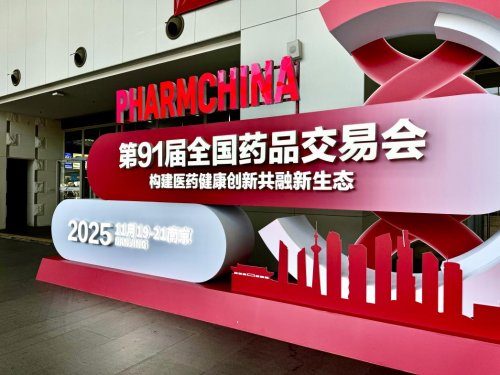
Core Insights - The article highlights the successful participation of Sunflower Group at the 91st National Pharmaceutical Trade Fair and China International Health Nutrition Expo in Nanjing, where it showcased its brand "Wen Dong Fang" and won the "Innovation Pioneer - Industrial Enterprise Award" [3] Group 1: Company Achievements - Sunflower Group's health segment, in collaboration with its liquor division, has gained significant attention for its cross-industry innovation approach, emphasizing "brewing with a pharmaceutical heart" [3] - The "Wen Dong Fang" liquor has been well-received due to its pharmaceutical-grade quality control standards and the integration of traditional techniques with modern technology, leading to high demand and successful sales during the event [5] Group 2: Product Quality and Innovation - The "Wen Dong Fang" team undertook a three-year journey to select high-quality chestnuts from the "Hometown of Chinese Chestnuts" in Qianxi, Hebei, ensuring that each chestnut meets pharmaceutical-grade standards, with iron content in century-old trees being 2.1 times that of younger trees [9] - The production process combines traditional chestnut liquor brewing techniques with modern biological extraction technology, enhancing the absorption of herbal active ingredients while maintaining a low yield of 1 jin of liquor from 12 jin of chestnuts [9] Group 3: Market Positioning and Recognition - "Wen Dong Fang" is recognized as a pioneer in herbal chestnut liquor, catering to diverse consumer needs with products like "Wen Dong Fang No. 6" and "Wen Dong Fang No. 9," designed for casual drinking and gifting [9] - The brand has received authoritative recognition from industry experts and has been featured in a CCTV program, enhancing its credibility and public awareness [9][10]

葵花酒业“问东方”上市发布会在京举行
Ren Min Wang· 2025-11-04 02:51
Core Viewpoint - The first brand launch event for herbal liquor, "Wen Dong Fang," was held in Beijing, focusing on the health drinking topic that is of public concern [1] Industry Insights - The Chinese liquor industry is undergoing a significant transformation in consumer structure, with diversification and personalization becoming irreversible trends [2] - Innovation is emphasized as the primary driving force for development, with a call for the liquor industry to integrate innovation throughout the entire supply chain and all processes [2] Company Developments - The chairman of Kuihua Group stated the company's ambition to create a benchmark brand for new herbal health liquor in China, aiming to redefine the culture of healthy drinking [2] - "Wen Dong Fang" leverages Kuihua Group's 27 years of experience in traditional Chinese medicine and collaborates with the Food Fermentation Industrial Research Institute to ensure the product's herbal activity and health value [2]

揭秘江苏宴席“隐形王者”:国缘四开凭什么稳站C位?
Zhong Jin Zai Xian· 2025-09-25 09:20
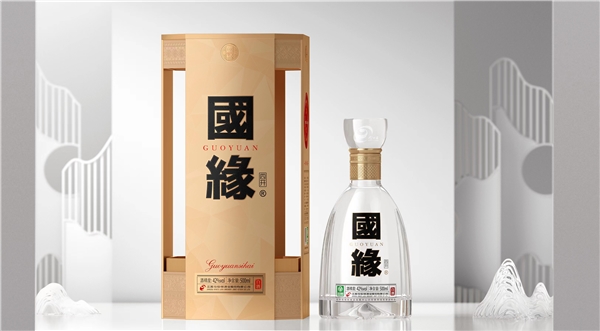
Core Insights - The article highlights the rising popularity of Guoyuan Si Kai, a premium liquor brand in Jiangsu, which has become a preferred choice at various banquets, indicating its strong market presence and consumer acceptance [1][4][9] Market Positioning - Guoyuan Si Kai has carved out a niche in the competitive liquor market by offering a unique 42-degree alcohol content that balances smoothness and richness, catering to the health-conscious consumer [3][9] - The brand's success is attributed to its ability to meet the specific demands of banquet settings, where quality and taste are paramount [3][4] Quality Assurance - The brand employs a pure grain solid-state fermentation process combined with intelligent brewing technology, ensuring consistent quality and flavor in every bottle [3][4] - This commitment to quality has established Guoyuan Si Kai as a reliable choice for consumers, enhancing its reputation in the banquet market [4][6] Cultural Relevance - Guoyuan Si Kai's branding is deeply rooted in cultural significance, particularly the concept of "缘" (fate or connection), which resonates with consumers during significant life events such as weddings and business gatherings [6][9] - The brand effectively creates emotional connections with consumers, making each toast meaningful and enhancing its value proposition [6][9] Growth Potential - The brand is poised for expansion beyond Jiangsu, with indications of acceptance in other provinces like Anhui and Shandong, suggesting a broader market appeal [8][9] - Guoyuan Si Kai's growth strategy focuses on understanding national banquet needs, positioning it as a strong contender in the national market [8][9]
中金企信授予-品牌证明:市场地位认证如何定义消费场景?
Sou Hu Cai Jing· 2025-09-02 11:42
Group 1 - The importance of market position certification for brands in a competitive market is emphasized, providing credibility and authority to enhance brand persuasion [2] - CICC International Consulting has extensive experience in market research, with over 20,000 successful cases, and offers professional market position certification services [2] - Market position certification is applicable across various digital and traditional media platforms, enhancing brand visibility and recognition [2] Group 2 - The low-alcohol beverage market in China is projected to exceed 120 billion yuan by 2030, capturing 35%-40% of the total beverage market [4] - The growth of the low-alcohol market is driven by generational shifts, health trends, and globalization, with younger consumers favoring lighter drinking experiences [4][5] - Innovative products like fruit wines and sparkling wines are experiencing significant growth, with fruit wines seeing over 70% annual growth in instant retail channels [5] Group 3 - New brands are redefining consumption logic in the low-alcohol market through scenario-based innovations, enhancing both taste and functionality [5] - Companies are expanding consumption scenarios beyond traditional dining settings, creating a more engaging consumer experience [5]

古井贡酒推出26度年份原浆“轻度古20” 回应消费者饮酒体验新需求
Zheng Quan Ri Bao Wang· 2025-08-20 02:58
Group 1 - The Chinese liquor industry is experiencing changes driven by new consumption and health concepts, with Gujing Gongjiu launching the "Light Ancient 20" to meet evolving consumer demands [1] - Gujing Gongjiu integrates health concepts into its production process, maintaining traditional flavors while offering modern drinking experiences [1] - The company leverages its resources in Bozhou, known as the "World Medicine Capital," to create functional health wines like "Gujing Shenli Wine" [1] Group 2 - Gujing Gongjiu aims to build a more complete liquor consumption ecosystem by focusing on the "Light Ancient 20" and reviving classic brands [2] - Industry experts highlight that Gujing Gongjiu's innovation allows for a low-alcohol product that retains flavor, appealing to younger consumers who desire a lighter drinking experience [2] - The trend towards low-alcohol beverages reflects fragmented drinking scenarios, with Gujing Gongjiu positioning its products as premium choices rather than compromises [2]

聚餐喝出“小米辣”?啤酒市场在经历什么
Qi Lu Wan Bao Wang· 2025-06-27 07:29
Core Insights - The beer market is experiencing a transformation driven by the preferences of younger consumers, particularly those born after 1995, who are seeking diverse and innovative flavors [1][2][3] - The shift from traditional beer flavors to a wide variety of options, including fruit-flavored and craft beers, is evident, with fruit and craft beers accounting for approximately 30% of sales among younger consumers [2][3] - The trend towards visually appealing packaging and health-conscious choices is influencing consumer behavior, with a significant increase in demand for low-alcohol and alcohol-free beers [4][5] Market Trends - The beer industry is moving from a single-flavor focus to a "everything can be beer" approach, with companies introducing various types of beers, including fruit, craft, and non-alcoholic options [2][3] - The sales of specialty beers, such as fruit and craft beers, have been growing steadily, with a reported increase of around 30% in certain markets [2] - The Z generation is contributing 65% of the sales in the craft beer market, showing a strong demand for personalized flavors and social experiences [2] Consumer Preferences - Younger consumers are gravitating towards unique flavors, including spicy ingredients and unconventional additives, reflecting a shift in taste preferences [3] - The aesthetic appeal of beer packaging is becoming increasingly important, with 94% of consumers expressing a strong willingness to purchase visually appealing products [4] - Health consciousness is leading to a rise in the popularity of low-alcohol and alcohol-free beers, with searches for these products increasing over four times year-on-year [4][5] Innovation and Collaboration - Beer companies are exploring cross-industry collaborations to expand their market reach, introducing products that blend beer with other beverage categories [6] - The essence of these collaborations is to innovate flavors while enhancing cultural experiences, moving beyond mere product sales [6] - Despite the push for innovation, companies face challenges in maintaining product quality and ensuring that new flavors do not overshadow traditional beer preferences [6]