阡集创社区

Search documents
他在上海给年轻人造房子:月租1000,只租不卖
3 6 Ke· 2025-12-02 03:16
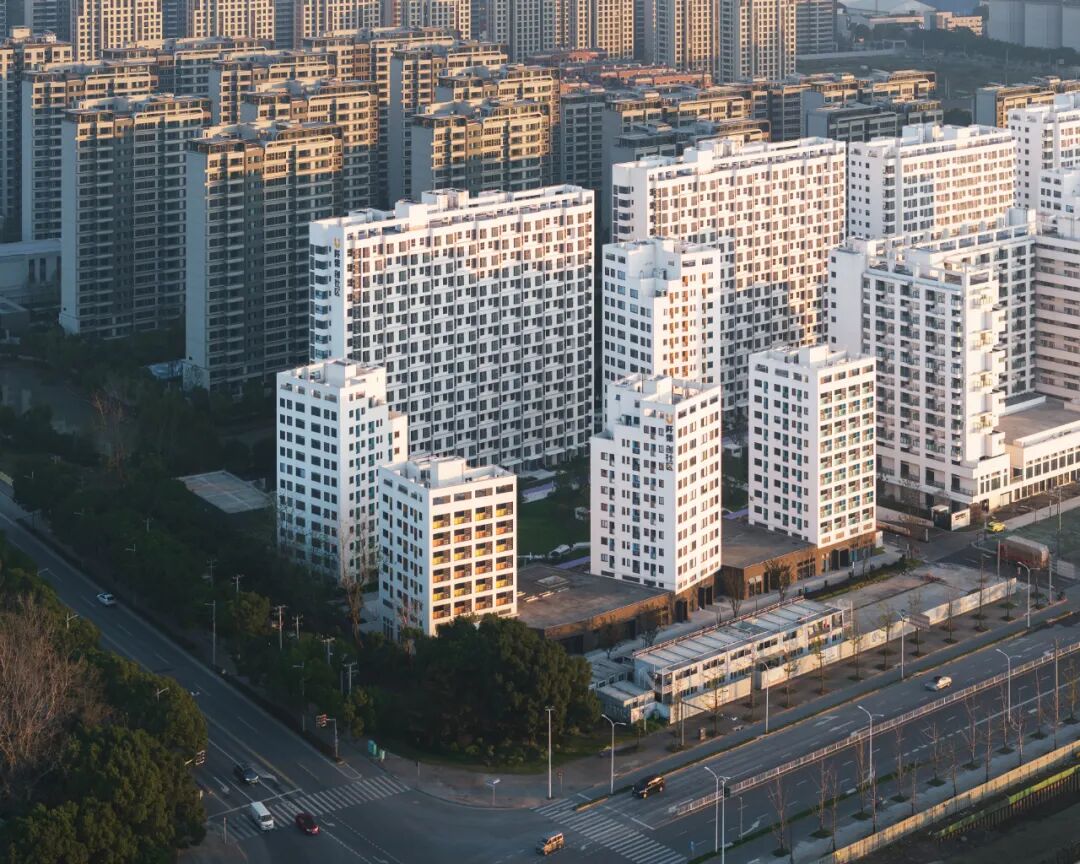
Core Insights - The article discusses the innovative approach of Zhang Jiajing in designing affordable housing in Shanghai, specifically the "4.0 version" of social housing, which aims to provide dignified living spaces for young people and low-income workers [1][3][22]. Group 1: Housing Concept and Design - Zhang Jiajing has been working on social housing for 20 years, evolving his designs to meet the needs of different demographics, particularly focusing on young professionals and low-income groups [1][22]. - The concept of "保障性住房" (affordable housing) is relatively new in mainland China but has been well-established in Europe and other regions, where it is known as "social housing" [1][22]. - The "阡集创社区" (Qianji Community) features over 1,000 units with a total area of 140,000 square meters, offering monthly rents starting from 1,000 yuan [5][7][10]. Group 2: Community and Living Experience - The community includes various housing types, from small lofts of approximately 30 square meters to larger traditional units of around 100 square meters, catering to diverse needs [10][11]. - Residents like Chen, a 29-year-old graduate student, find the rental prices reasonable compared to the quality of living space, while workers like Wang appreciate the affordability of shared accommodations [14][17]. - Zhang emphasizes the importance of creating living spaces that allow for dignity and comfort, even in smaller units, reflecting a commitment to social responsibility [7][25]. Group 3: Challenges and Market Dynamics - The journey of developing affordable housing has been challenging, as the market has often favored more profitable commercial real estate projects [22][40]. - Zhang's approach includes direct engagement with the community, as he lived in one of his earlier projects, Dragon South Garden, for two years to understand the residents' experiences and challenges [5][40]. - The design philosophy prioritizes the needs of various social strata, aiming to create mixed-income communities where different demographics can coexist [25][49].

上实城开“旧改引擎”与利润孤岛破局
3 6 Ke· 2025-06-27 02:47
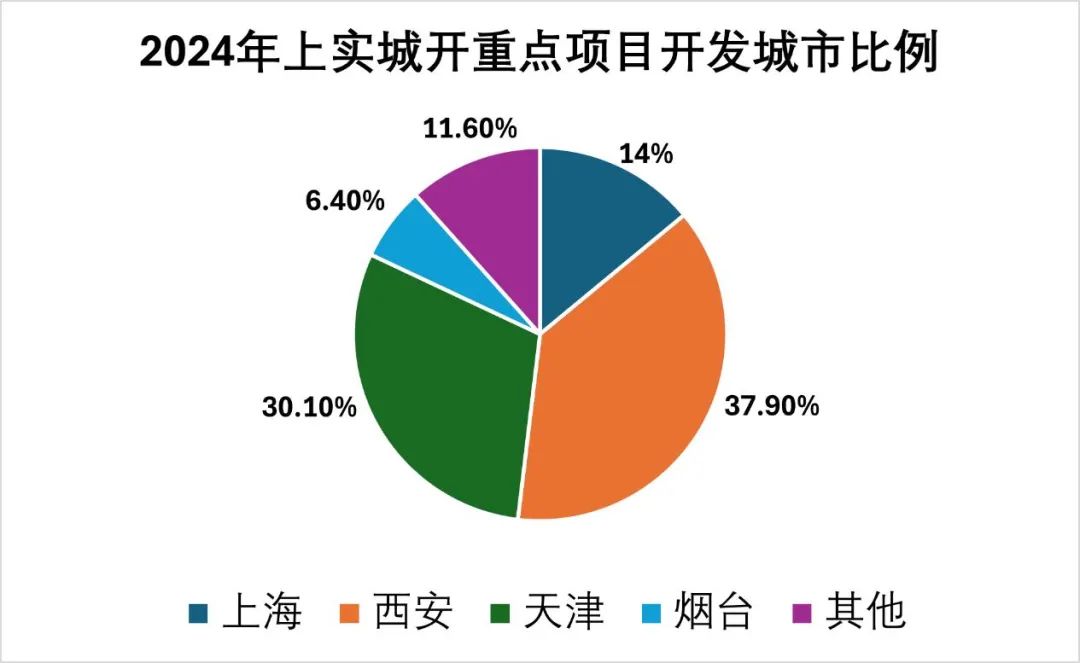
Core Viewpoint - The company, Shanghai Shangkai, is facing challenges in the real estate market, with a significant decline in profits and sales, particularly in the context of urban renewal projects and the broader economic environment [1][9][12]. Group 1: Company Overview - Shanghai Shangkai is involved in urban renewal projects, including the notable "Xinhonghui" commercial complex, which opened in September 2024 [1][5]. - The company has a history of participating in urban renewal initiatives since 2014, with several projects in the Shanghai area, including the Red Star Village and Meilongli [2][4][5]. - The company has been expanding its rental housing business, responding to government initiatives to provide affordable housing [8]. Group 2: Financial Performance - In 2024, Shanghai Shangkai reported a net loss of 3.31 billion HKD, a significant decline from a profit of 4.95 billion HKD in 2023 [13]. - The company's revenue for 2024 was 124.4 billion HKD, up 56.4% from 79.54 billion HKD in 2023, but the gross profit decreased by 35.9% to 21.31 billion HKD [13]. - The gross margin fell to 17.1% in 2024, down 24.7 percentage points from 41.8% in 2023 [13]. Group 3: Market Challenges - The company has experienced a decline in sales, with total contract sales dropping from 89.33 billion HKD in 2021 to 39.33 billion HKD in 2024, a decrease of 52.2% [9][10]. - The decline in sales is attributed to reduced sales in first- and second-tier cities, impacting the overall performance of the company [10]. - The company has reduced its land acquisition activities, with available planning area decreasing to 332 million square meters by 2024 [12]. Group 4: Strategic Initiatives - To mitigate the impact of declining sales, Shanghai Shangkai is exploring new business areas, including project consulting services for infrastructure projects like the G50 highway expansion [15][16]. - The company aims to diversify its business portfolio and expand revenue sources through these new initiatives [16].